
Hafeez Ahmed Khan
Gender equality is a fundamental human right and a necessary condition for sustainable development. It has significant implications for various aspects of human life, such as cultural, economic, administrative, relational, developmental, and human perspectives.
Culturally, gender equality challenges the deeply rooted norms and stereotypes that assign different roles and expectations to men and women based on their biological sex. These norms and stereotypes often limit the choices, opportunities, and freedoms of women and girls and perpetuate discrimination and violence against them. Gender equality promotes the recognition and respect of the diversity and dignity of all human beings, regardless of their gender identity or expression. It also fosters the inclusion and participation of women and girls in all spheres of cultural life, such as arts, media, education, religion, and sports.
Economically, gender equality contributes to the growth and prosperity of the economy by enhancing the productivity and competitiveness of the labour force. When women have equal access to education, employment, income, and assets, they can contribute more effectively to the economic development of their households, communities, and countries. Gender equality also reduces poverty and inequality by empowering women to make decisions about their own lives and resources. Studies show that closing the gender pay gap and increasing women’s participation in the economy could lead to a significant increase in the global GDP.
Administratively, gender equality ensures that women have equal representation and voice in decision-making processes at all levels of governance, from local to global. Women’s participation in politics and public administration enhances the quality and legitimacy of democracy by bringing diverse perspectives and experiences to the table. It also strengthens the accountability and responsiveness of public institutions to the needs and interests of women and men. Gender equality also promotes the protection and promotion of human rights, especially those of women and girls who face multiple forms of discrimination and violence.
As far as the relational perspective is concerned, gender equality enhances the quality and stability of interpersonal relationships by fostering mutual respect, trust, and cooperation between men and women. It also challenges the power imbalances and conflicts that often arise from gender-based discrimination and violence. Gender equality enables women and men to share equally the responsibilities and benefits of family life, such as child care, domestic work, education, health care, and income generation. It also supports the sexual and reproductive health and rights of women and men by allowing them to make informed choices about their bodies, sexuality, and fertility.
From a developmental perspective, gender equality is essential for achieving the 2030 Agenda for Sustainable Development and its 17 Sustainable Development Goals (SDGs). The SDGs recognize that gender equality is not only a goal in itself (SDG 5) but also a cross-cutting issue that affects all other goals. For instance, gender equality is linked to ending poverty (SDG 1), ensuring quality education (SDG 4), promoting health and well-being (SDG 3), reducing inequalities (SDG 10), combating climate change (SDG 13), and building peace and justice (SDG 16). Therefore, advancing gender equality is crucial for creating a more inclusive, equitable, and sustainable world for all.
Humanly gender equality is a matter of human dignity and justice. It affirms the inherent worth and potential of every human being, regardless of their gender. It also respects the diversity and uniqueness of each individual’s identity, expression, and experience. Gender equality enables women and men to enjoy their full range of human rights and freedoms, such as freedom from violence, freedom of expression, freedom of movement, freedom of association, freedom of religion or belief, freedom of thought or conscience3. Gender equality also allows women and men to pursue their aspirations and fulfil their capabilities in all aspects of life.
Please, subscribe to the official website of republicpolicy.com
Gender equality is a vital issue for Pakistan, as it ranks among the lowest countries in the world for gender equality, according to the Global Gender Gap Index. Creating awareness and ensuring gender equality in Pakistan requires a multi-faceted approach that addresses the cultural, economic, administrative, relational, developmental, and human aspects of the problem. Some of the possible methods and techniques are:
Cultural: Challenging the norms and stereotypes that assign different roles and expectations to men and women based on their biological sex. This can be done through education, media, arts, and advocacy campaigns that promote the recognition and respect of the diversity and dignity of all human beings, regardless of their gender identity or expression. For example, UNFPA Pakistan supports the production and dissemination of radio dramas that highlight the issues of gender-based violence, child marriage, and reproductive health.
Economic: Enhancing the productivity and competitiveness of the labor force by ensuring equal access to education, employment, income, and assets for women. This can be done through policies, programs, and incentives that support women’s economic empowerment and entrepreneurship, such as microfinance, vocational training, social protection, and affirmative action. For example, UNDP Pakistan supports women’s economic empowerment through initiatives such as the Benazir Income Support Programme (BISP), which provides cash transfers to poor women-headed households.
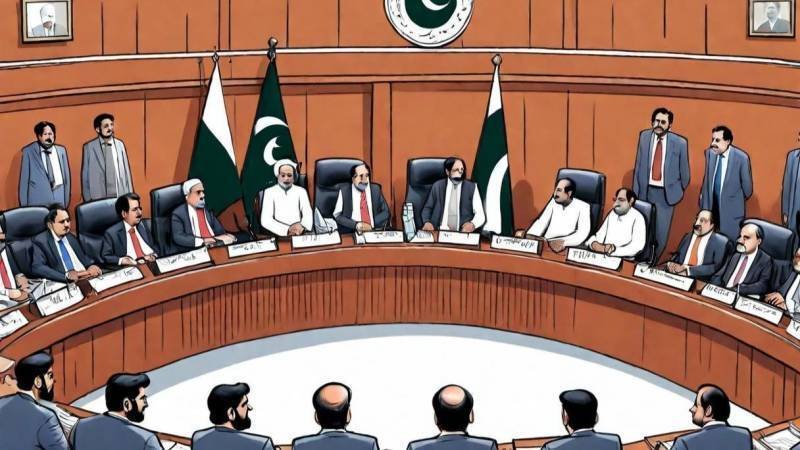
Administrative: Ensuring equal representation and voice in decision-making processes at all levels of governance, from local to global. This can be done through legal reforms, electoral systems, quotas, and capacity building that enhance women’s political participation and leadership. For example, UN Women Pakistan supports women’s political empowerment through initiatives such as the Women’s Parliamentary Caucus (WPC), which is a cross-party platform for women parliamentarians to advocate for gender-responsive legislation.
Relational: Enhancing the quality and stability of interpersonal relationships by fostering mutual respect, trust, and cooperation between men and women. This can be done through awareness raising, counselling, mediation, and community mobilization that address the root causes and consequences of gender-based violence and discrimination. For example, UNICEF Pakistan supports the prevention and response to child marriage through initiatives such as the Ujala programme, which provides life skills education, psychosocial support, and legal aid to adolescent girls at risk of or affected by child marriage.
Developmental: Achieving the 2030 Agenda for Sustainable Development and its 17 Sustainable Development Goals (SDGs) by integrating gender equality as a cross-cutting issue that affects all other goals. This can be done through data collection, monitoring, evaluation, and reporting that track the progress and gaps in gender equality across all sectors and indicators. For example, UN Women Pakistan supports the generation and use of gender statistics through initiatives such as the Gender Data Portal (GDP), which is a web-based platform that provides disaggregated data on various aspects of gender equality.
Humanly: Affirming the inherent worth and potential of every human being, regardless of their gender. This can be done through education, communication, and advocacy that promote the awareness and realization of human rights and freedoms for all. For example, UNHCR Pakistan supports the protection and empowerment of refugees and asylum seekers through initiatives such as the Refugee Affected and Hosting Areas (RAHA) programme, which provides access to basic services such as health care, education, water, sanitation, and livelihoods for both host communities and refugees.
Accordingly, there is a dire need to create awareness and advocacy for the concept of gender equality in Pakistan. Women are half of the population, and the growth and development of the state and society without the potent role of women is likely to be impossible.
Please, subscribe to the monthly magazines of republicpolicy.com