
Editorial
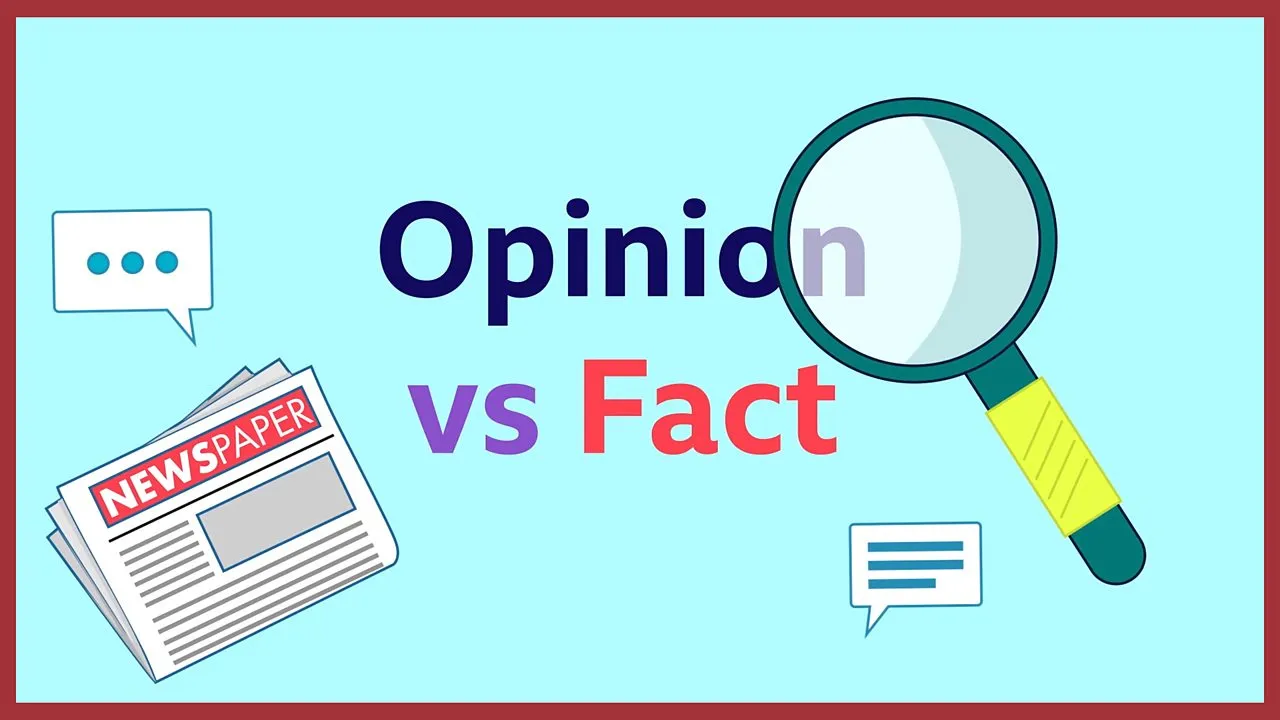
The fundamental obligation of the media is to represent facts, not the opinions. One possible reason that media should only present facts, not opinions, is that it would uphold the ideal of journalistic objectivity, which is based on the assumption that news should be neutral and impartial. Objectivity is a standard that many journalists and media outlets strive to achieve, as it is seen as a way to ensure the credibility, accuracy, and fairness of news reporting. By presenting only facts, the media would avoid the influence of personal or political biases, ideologies, or agendas that might distort or manipulate the information. Media would also respect the diversity of opinions and perspectives among the audience and allow them to form their own judgments based on the evidence. Presenting only facts would also foster a more informed and engaged public sphere, where citizens can participate in democratic deliberation and decision-making based on rational and critical thinking.
Please, subscribe to the monthly magazines of the republicpolicy.com
Another possible reason that media should only present facts, not opinions, is that it would prevent the spread of misinformation, disinformation, and propaganda, which are harmful to society and democracy. Misinformation is false or inaccurate information that is unintentionally created or shared, while disinformation is false or misleading information that is intentionally created or disseminated for malicious purposes. Propaganda is information that is biased or misleading and is used to promote a particular political cause or point of view. These types of information can undermine the trust and confidence of the public in the media and the institutions of society and can create confusion, polarization, and conflict among the people. By presenting only facts, the media would avoid contributing to the problem of information disorder and would instead promote the values of truth, transparency, and accountability. Presenting only facts helps the public to distinguish between reliable and unreliable sources of information and to develop media literacy skills that enable them to evaluate and verify the information they encounter.
Therefore, the media in Pakistan must present facts only, not opinions. Media is not judgemental; therefore, it should stick to media ethics of factual disposition.
Media should only Present Facts, not the Opinions.
Please subscribe to the YouTube channel of republicpolicy.com