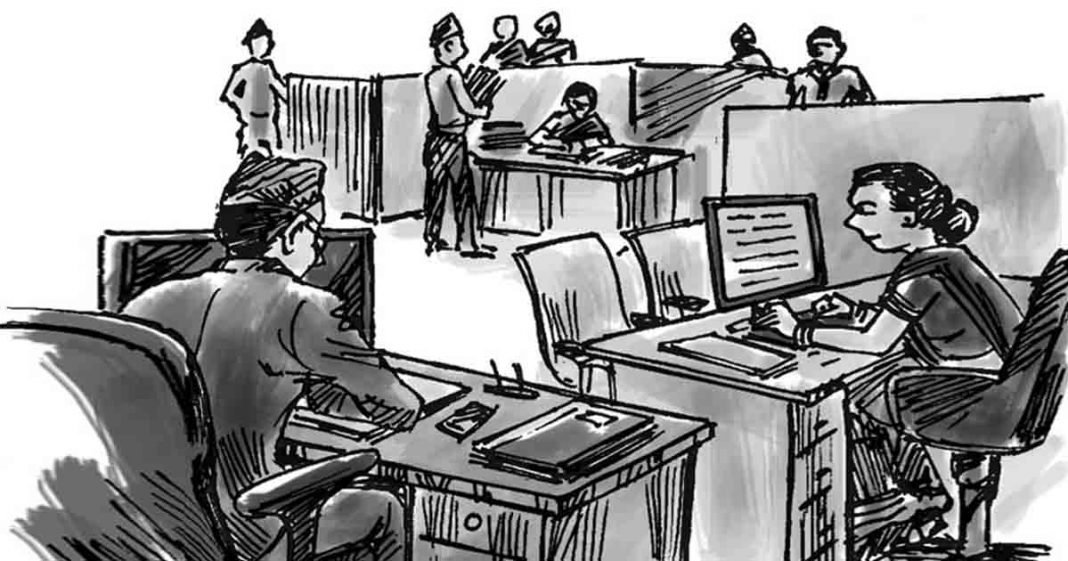

In Pakistan, even a presidential medal can begin its journey not in a moment of genuine public service, but inside a bureaucratic file. Someone drafts a summary, another officer endorses it, a third approves it, and by the time the ribbon is pinned to a chest, the honour has passed through so many hands that merit has long left the room. This is not an accident of administration. It is the system working exactly as those inside it intend.
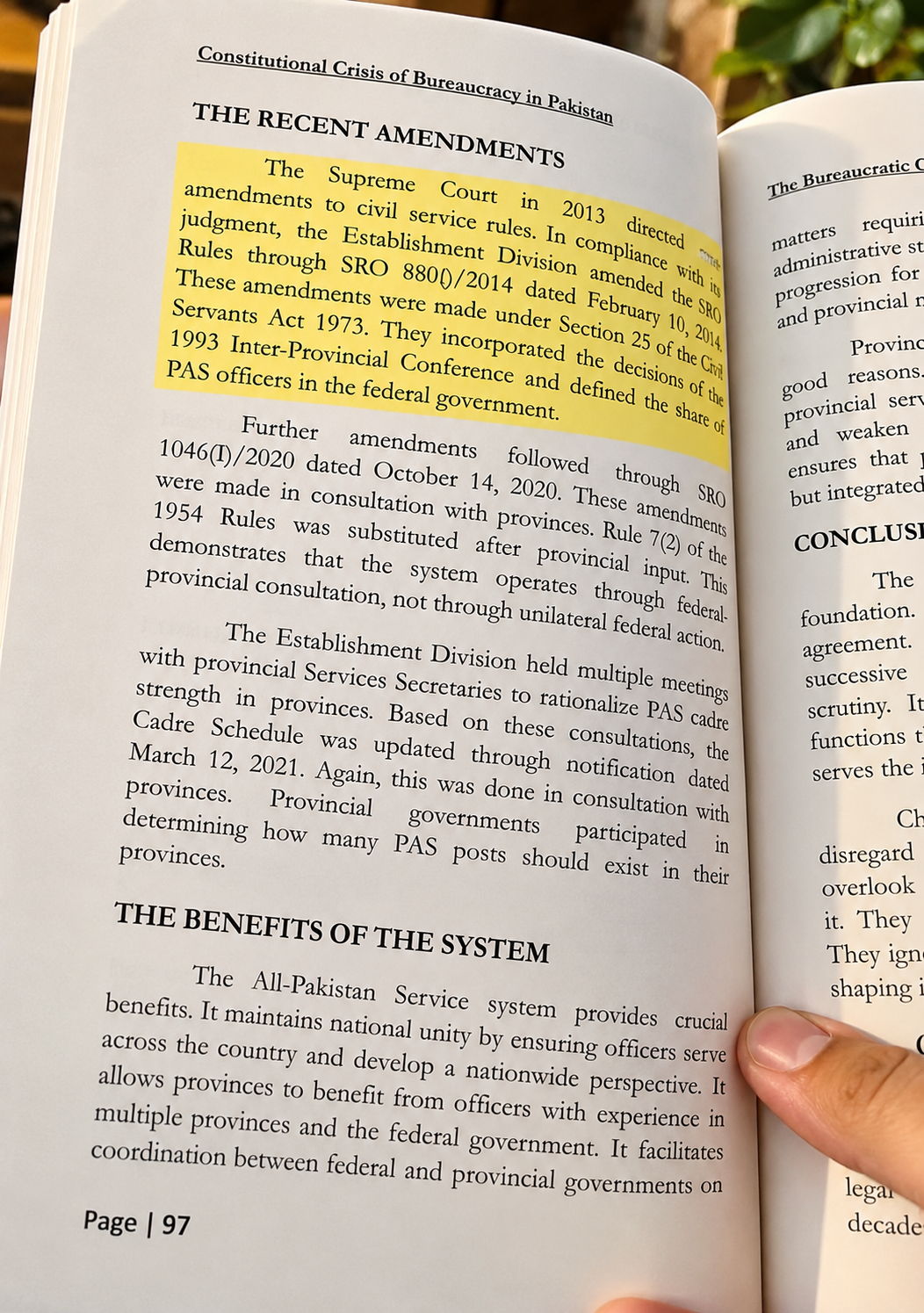
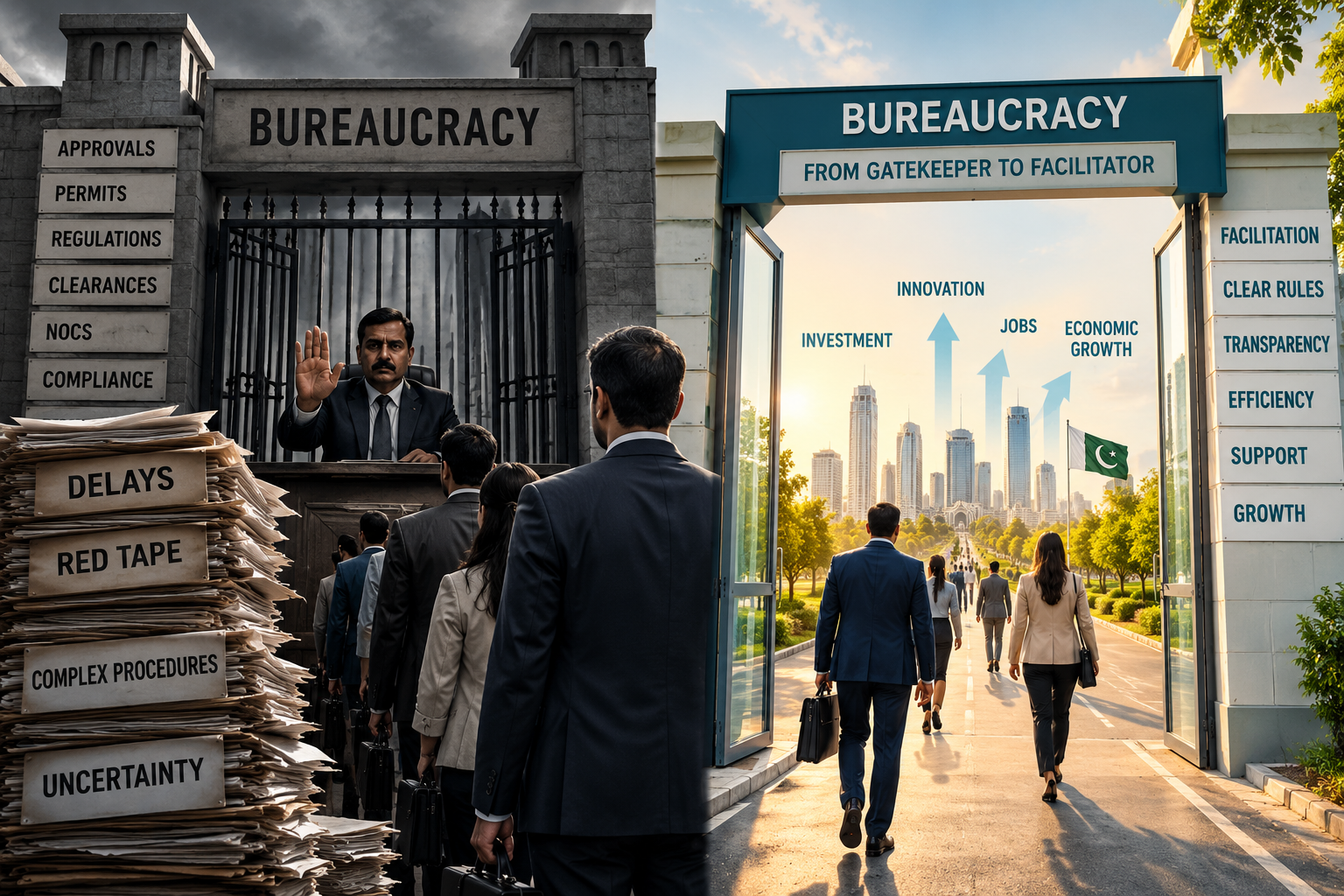
The Pakistani bureaucracy has not remained merely an administrative body. It has quietly transformed itself into a control apparatus. Postings, promotions, state decisions, and now even national recognition — all flow through the same network of files, summaries, and approvals. The officer who holds a stronger position wields greater authority over these files. More authority means more access. More access means more influence. And more influence means that the cycle feeds itself, rewarding those already inside the circle and quietly sidelining those who are not.
What suffers in this arrangement is the very idea of merit. The civil servant who serves a distant district with honesty, who delivers without seeking favours, who builds without a patron — that officer rarely finds his name rising through the bureaucratic pipeline toward recognition. Honours flow toward those who understand the system, not those who serve the people.
Pakistan needs to break this chain. A transparent, independently audited merit-based awards system — insulated from departmental hierarchies and file-pushing — is long overdue. Nominations should come from verifiable public outcomes, reviewed by independent panels, and published for accountability. Those who truly serve the nation deserve to be seen. And those who have turned honour itself into a bureaucratic transaction deserve to be named for exactly that.