
Dr Bilawal Kamran
Human resource development (HRD) is the process of enhancing the capabilities and potential of individuals and organizations to achieve their goals and objectives. HRD is essential for the economic and social progress of any country, especially for developing countries like Pakistan. According to the latest Human Development Report, Pakistan ranks 152nd out of 189 countries in terms of the Human Development Index (HDI), which measures the achievements in health, education, and income. Pakistan faces many challenges in improving its human development outcomes, such as poverty, inequality, illiteracy, unemployment, corruption, terrorism, and environmental degradation. To overcome these challenges and unleash the potential of its young and diverse population, Pakistan needs to adopt a comprehensive and holistic approach to HRD that involves legislative, executive, administrative, educational, technical, and other perspectives. Some of the recommendations to develop skilled human resources in Pakistan are:
Legislative: The government should enact and implement laws and policies that promote human rights, social justice, gender equality, and inclusive development. The government should also ensure public institutions’ and officials’ accountability and transparency and combat corruption and nepotism. The government should allocate adequate resources for HRD in the national budget and prioritize the sectors that impact human development most, such as health, education, social protection, and infrastructure. The government should also harmonize the federal and provincial laws and policies on HRD and foster coordination and cooperation among different stakeholders.
Executive: The executive branch of the government should formulate and execute effective strategies and plans for HRD that are aligned with the national vision and goals. The executive branch should also monitor and evaluate the performance and impact of HRD interventions and ensure feedback and learning. The executive branch should also establish and strengthen institutional mechanisms for HRD, such as ministries, departments, commissions, councils, boards, committees, etc. The executive branch should also enhance its capacity and competence to deliver quality services to the people.
Administrative: The country’s administrative system should be reformed and modernized to improve its efficiency and effectiveness. The administrative system should adopt merit-based recruitment, promotion, training, and evaluation of civil servants. The administrative system should also adopt e-governance and digitalization to facilitate service delivery and citizen participation. The administrative system should also foster a culture of innovation and excellence among its employees.
Educational: The country’s educational system should be improved and expanded to provide universal access to quality education for all. The educational system should also be diversified and flexible to cater to the diverse needs and interests of learners. The educational system should also be relevant and responsive to the changing demands of the labour market and society. The educational system should also promote critical thinking, creativity, problem-solving, communication, collaboration, and lifelong learning among students.
Technical: The technical and vocational education and training (TVET) system of the country should be developed and strengthened to provide skills development opportunities for youth and adults. The TVET system should also be linked with the formal education system and the industry sector to ensure alignment and articulation. The TVET system should also be accredited and certified to ensure quality assurance and recognition. The TVET system should also promote entrepreneurship, innovation, green skills, digital skills, soft skills, etc., among trainees.
Besides these perspectives, other aspects are important for HRD in Pakistan, such as cultural diversity, social cohesion, civic engagement, environmental sustainability, regional integration, etc. These aspects require a holistic and multidimensional approach that involves various actors from different sectors and levels. These aspects also require a participatory and inclusive approach involving all stakeholders’ active involvement.
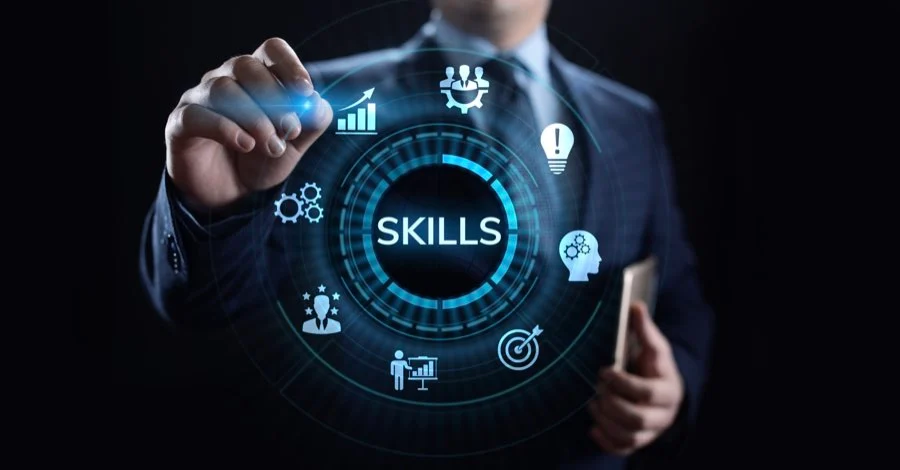
Then, it is also critical to develop a culture where all segments of society feel pride in learning technical skills. Creating a culture to learn skills and technical skills in Pakistan, which is an agricultural and conservative society where different social taboos are attached to skills learning, is a complex and challenging task. However, it is also a necessary and urgent one, as the country faces a large and growing youth population, a low and stagnant human development index, a high and persistent unemployment rate, and a competitive and dynamic global economy. To foster a culture of skills learning in Pakistan, some of the possible steps include raising awareness and changing mindsets: One of the major barriers to skills learning in Pakistan is the lack of awareness and appreciation of the value and benefits of skills and technical education among the general public, especially among parents, students, teachers, employers, and policymakers. Many people still perceive skills and technical education as inferior, irrelevant, or inappropriate for certain groups of people, such as women, minorities, or rural dwellers. To overcome these negative stereotypes and misconceptions, there is a need to launch effective advocacy and communication campaigns that highlight the importance and relevance of skills and technical education for personal, social, and economic development. These campaigns should also showcase the success stories and role models of skilled workers who have achieved recognition, satisfaction, and prosperity in their careers. Moreover, these campaigns should also address the specific cultural and social norms and taboos that hinder the participation and performance of certain groups of people in skills and technical education, such as gender segregation, religious sensitivities, or caste discrimination.
Then, improving quality and standards is also vital. Another major barrier to skills learning in Pakistan is the low quality and standards of the existing skills and technical education system. The system needs more infrastructure, outdated curricula, insufficient teachers, poor assessment, weak accreditation, limited industry linkages, and low employability. To improve the quality and standards of the system, there is a need to invest more resources in infrastructure development, curriculum revision, teacher training, assessment reform, accreditation enhancement, industry collaboration, and employability support. These interventions should also aim to ensure that the system is responsive to the changing needs and demands of the labor market and society, as well as inclusive and equitable for all segments of the population.
Furthermore, expanding access and opportunities to most people is a vital step in attaining the required awareness and response. A third major barrier to skills learning in Pakistan is the limited access and opportunities for skills and technical education for many potential learners. The system has low coverage, especially in rural areas where most of the population lives. The system also has a high cost, which excludes many poor and marginalized people who cannot afford the fees or other expenses. The system also has a rigid structure, which only accommodates the diverse needs and interests of learners who have different backgrounds, abilities, aspirations, or circumstances. To expand access and opportunities for skills and technical education in Pakistan, there is a need to increase the supply and availability of skills and technical education institutions and programs across the country. There is also a need to reduce the cost and increase the affordability of skills and technical education through scholarships, subsidies, loans, or vouchers. There is also a need to diversify and flexible the structure and delivery of skills and technical education through alternative modes, such as online, distance, blended, or mobile learning.
These are significant steps to develop a culture of learning skills and technical skills in Pakistan, which has been an agricultural and conservative society and where different social taboos are attached to skills learning.
Please, subscribe to the monthly magazines of republicpolicy.com