
Team Republic Policy
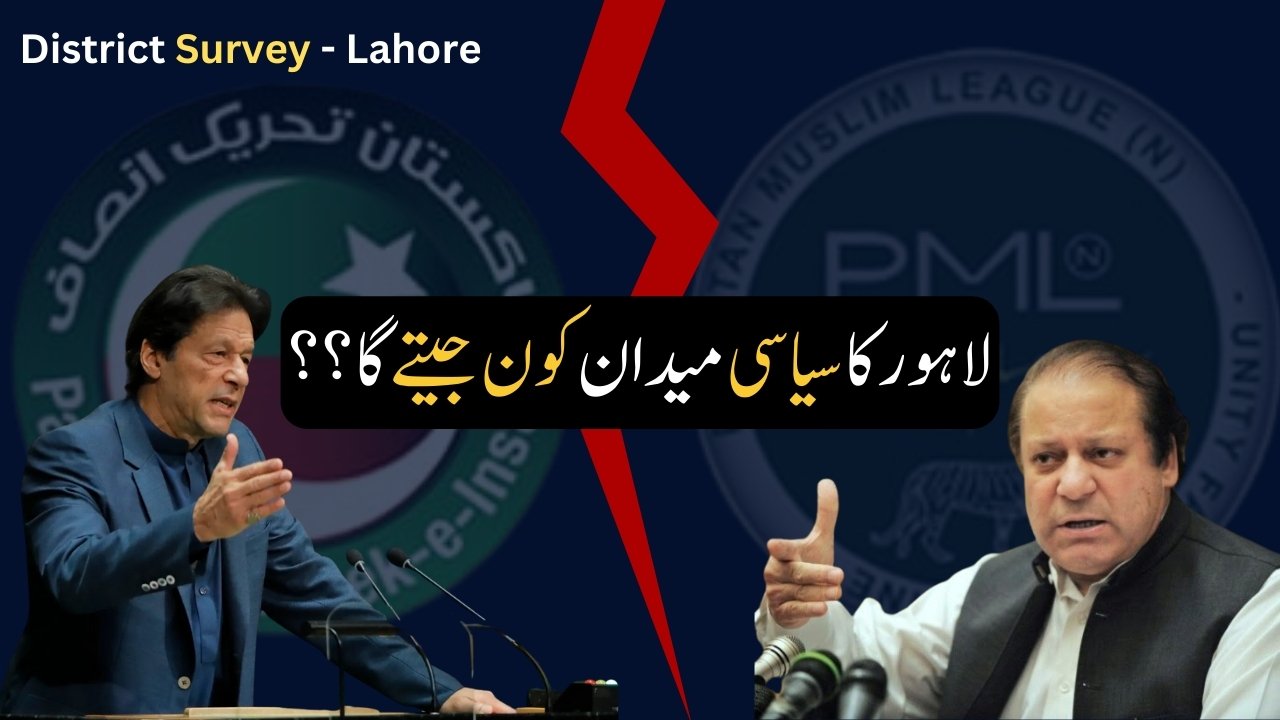
In the complex world of political polling and analysis, Republic Policy’s constituency-based surveys stand out for their commitment to providing honest, authentic, and comprehensive insights. This claim deserves closer examination, as the methodology employed offers several compelling advantages:
Grounded in Reality: Union Councils as the Bedrock of Sampling:
Unlike many surveys that rely on telephone, online, or self-selecting samples, Republic Policy takes the meticulous approach of conducting on-field surveys within union councils. These small administrative units form the grassroots foundation of Pakistani society, providing a microcosm of diverse demographics and political inclinations. By focusing on union councils, the surveys capture the voices of individuals who are often overlooked in broader national polls, ensuring a more accurate representation of local sentiment.
A Tapestry of Voices: Capturing Feedback across Communities, Genders, Professions, and Age Groups:
Republic Policy’s surveys go beyond mere headcounts. They actively seek out the perspectives of different community groups, ensuring that no voice is silenced. Women, youth, religious minorities, and other often marginalized segments of society are given a platform to express their concerns and aspirations. Additionally, the surveys capture the diverse perspectives of individuals across various professions and age groups, providing a well-rounded picture of the constituency’s political landscape.
Beyond the Numbers: Qualitative Depth for Richer Understanding:
While quantitative data is important, Republic Policy recognizes the crucial role of qualitative insights in understanding the nuances of voter sentiment. By engaging in open-ended conversations with survey participants, the researchers delve deeper into the reasons behind their choices and opinions. This qualitative approach allows for a richer understanding of the factors influencing political attitudes and voting behaviour, providing valuable insights that mere polling numbers cannot capture.
Transparency and Verifiability: Building Trust through Rigorous Methodology:
Republic Policy prioritizes transparency throughout its survey process. The sampling methodology, questionnaire design, and data analysis techniques are clearly documented and open to scrutiny. This level of transparency allows researchers and the public to verify the integrity of the findings and build trust in the results. The methodology, analysis and derivatives are available at republicpolicy.com
Responsive to Change: A Dynamic Approach for Capturing Shifting Tides:
Political landscapes are not static. Republic Policy recognizes the need for responsiveness and regularly conducts fresh surveys to capture the evolving dynamics of individual constituencies. This ongoing monitoring ensures that the data remains relevant and up-to-date, providing valuable insights for political strategists and policymakers alike.
In conclusion, Republic Policy’s constituency-based surveys offer a compelling alternative to traditional polling methods. These surveys provide a more honest, authentic, and comprehensive picture of political sentiment by grounding their analysis in local realities, actively engaging diverse communities, and employing a transparent and responsive approach. While no single methodology can claim absolute perfection, Republic Policy’s meticulous approach offers a significant leap forward in the quest for credible and insightful political data.
Furthermore, the emergence of Republic Policy’s constituency-based surveys marks a significant shift in Pakistan’s political analysis landscape. Stepping away from the traditional focus on presidential surveys, these surveys delve into the granular details of individual constituencies, offering valuable insights for voters, political workers, candidates, and parties alike. This shift requires a critical evaluation, examining its significance, potential pitfalls, and the broader implications for Pakistani politics.
Significance of Constituency-Based Surveys:
- Hyperlocal Focus: In a parliamentary system like Pakistan’s, electoral success hinges on local dynamics and individual candidate appeal within specific constituencies. Republic Policy’s surveys address this crucial gap by understanding voters’ preferences, concerns, and expectations at the constituency level. This granular data empowers voters to make informed choices, candidates to tailor their campaigns, and parties to strategically allocate resources.
- Empowering Voters: Constituency-based surveys move beyond national polls that often paint broad and sometimes misleading pictures. By providing localized data, voters gain valuable insights into the political landscape on their doorstep, facilitating more informed electoral decisions. This empowers them to hold their local representatives accountable and advocate for issues specific to their communities.
- Democratizing Information: Traditionally, political data and analysis have been largely inaccessible to the general public. Republic Policy’s open-access approach democratizes information, making it readily available to voters and political actors alike. This transparency fosters informed public discourse and empowers citizens to actively engage in the political process.
- Strategic Advantage for Candidates and Parties: Political actors stand to benefit significantly from constituency-based surveys. Candidates can leverage the data to identify key voter segments, refine their messaging, and target their campaigns effectively. Parties can use the insights to allocate resources strategically, prioritize winnable constituencies, and craft broader electoral strategies.
Potential Pitfalls:
- Sampling Bias: Ensuring a truly representative sample within each constituency is crucial for the accuracy of the surveys. Careful attention must be paid to potential biases based on factors like gender, socioeconomic status, and geographical location.
- Misinterpretation of Data: The data should be interpreted with caution, avoiding simplistic generalizations and considering the broader political context. Overreliance on survey results without qualitative analysis of local dynamics can lead to misleading conclusions.
- The politicization of Data: There’s a risk that survey results, particularly those favouring specific candidates or parties, could be manipulated or misinterpreted for political gain. Maintaining transparency and ethical research practices is crucial to address this concern.
Setting the trend:
Republic Policy’s pioneering effort in constituency-based surveys sets a valuable precedent for political analysis in Pakistan. It moves away from the outdated presidential poll model and aligns with the ground realities of the country’s parliamentary system. This approach has the potential to revolutionize the way political campaigns are conducted, voters make decisions, and parties navigate the electoral landscape.
While not without potential pitfalls, Republic Policy’s constituency-based surveys represent a significant advancement in the field of political analysis in Pakistan. By providing granular data and empowering voters, these surveys have the potential to strengthen democracy, inform intelligent electoral strategies, and, ultimately, contribute to a more informed and engaged citizenry. However, ongoing efforts are crucial to address potential biases, ensure ethical data handling, and prevent the politicization of results. As they continue to refine their methodology and expand their reach, Republic Policy surveys can emerge as a powerful tool for navigating the complex and dynamic world of Pakistani politics.
Please, subscribe to the YouTube channel of republicpolicy.com