
Tahir Maqsood
Participatory and representative elections of all political parties are essential for democracy, as they reflect the will and the voice of the people. Participatory elections mean that all eligible citizens have the opportunity and the right to vote and to be voted for without any discrimination or coercion. Participatory elections also mean that the voters are well-informed and engaged in the electoral process and that they have access to diverse and independent sources of information and opinions. Participatory elections ensure that the people have a say in the governance and the policies of their country and that they can hold their leaders accountable for their performance and their promises. Participatory elections also foster a sense of civic responsibility and political awareness among the citizens and encourage them to take an active role in the development and welfare of their society.
Representative elections mean that all political parties and candidates have the freedom and fairness to compete and to campaign for the votes of the people without any interference or manipulation. Representative elections also mean that the electoral system and the institutions are transparent and impartial and that they respect the rule of law and the human rights of all participants. Representative elections ensure that the elected representatives reflect the diversity and the plurality of the society and that they represent the interests and aspirations of their constituents. Representative elections also foster a culture of dialogue and tolerance among the political actors and encourage them to cooperate and compromise for the common good of the nation.
Participatory and representative elections of all political parties are the pillars of democracy, as they enable the people to exercise their sovereignty and choose their government. Participatory and representative elections also strengthen the legitimacy and the stability of the democratic system and enhance the trust and confidence of the people in the democratic institutions. Participatory and representative elections also promote the values and the principles of democracy, such as equality, freedom, justice, and human dignity. Participatory and representative elections also contribute to the peace and development of the country, as they create a conducive environment for social and economic progress.
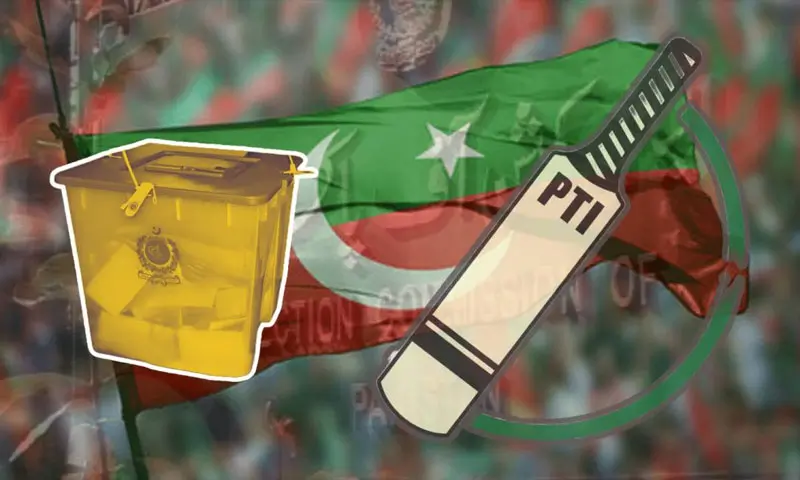
The Supreme Court of Pakistan on Saturday, January 13, 2024, announced its verdict on the Election Commission of Pakistan’s (ECP) petition challenging the Peshawar High Court’s (PHC) decision to restore the PTI’s electoral symbol of ‘bat’. The court upheld the ECP’s ruling that declared the PTI’s intra-party election null and void and revoked the party’s bat symbol. This means that the PTI, which is the largest opposition party in the National Assembly, will have to contest the upcoming general elections on February 8, 2024, without the trademark symbol that has been associated with the party since its inception in 1996.
The verdict has been widely seen as a major blow to the PTI and its leader, former Prime Minister Imran Khan, who is currently in jail on corruption charges. Many observers have questioned the timing and motive of the verdict, which came just a few weeks before the elections, and accused the judiciary of being influenced by the establishment and the ruling PML-N. Some have even suggested that the verdict is part of a larger plan to rig the elections and ensure the continuation of the PML-N’s rule.
The PTI, however, has vowed to fight back and challenge the verdict in the court of public opinion. The party has claimed that its intra-party election was fair and transparent and that the ECP had no authority to scrutinize it. The party has also appealed to its supporters to remain united and motivated and to vote for the PTI candidates regardless of their symbols. The party has said that it will use different symbols in different constituencies, such as ‘lantern’, ‘tiger’, ‘cricket bat’, etc., and its workers will educate the voters about the symbols.
The verdict has also raised concerns about the fairness and credibility of the upcoming elections, which are already marred by controversies and allegations of pre-poll rigging. The ECP has been criticized for its lack of independence and impartiality and for failing to ensure a level playing field for all parties. The caretaker government, which is supposed to be neutral and impartial, has also been accused of being biased and incompetent and of facilitating the PML-N’s campaign. The security situation in the country has also deteriorated, with several incidents of violence and terrorism targeting political rallies and candidates. Some parties have also expressed reservations about the use of electronic voting machines (EVMs) and biometric verification machines (BVMs), which they fear could be manipulated or hacked.
Despite these challenges and uncertainties, the ECP and the caretaker government have reaffirmed their commitment to holding the elections on time and ensuring their transparency and security. They have also rejected the calls for postponing the elections on the grounds of weather and security. They have said that they have taken all the necessary measures to facilitate the voters and the candidates and to prevent any untoward incidents. They have also urged all the stakeholders, including the political parties, the media, the civil society, and the international observers, to cooperate with them and to play their role in strengthening the democratic process.
The general elections of 2024 are crucial for the future of Pakistan, as they will determine the direction and destiny of the country for the next five years. The elections are also a test of the resilience and maturity of Pakistani democracy, which has faced many challenges and setbacks in its history. The elections are an opportunity for the people of Pakistan to exercise their right to vote and to choose their representatives and leaders. The elections are also the responsibility of the institutions and the authorities of Pakistan to ensure that the people’s mandate is respected and honored. The elections are a challenge for the political parties and the candidates of Pakistan to present their vision and agenda for the country and to compete fairly and peacefully. The elections are a hope for the nation and the world that Pakistan will emerge as a stable, prosperous, and democratic country.
Please, subscribe to the YouTube channel of republicpolicy.com