
Tariq Mahmood Awan
Whenever I watch the destructive scenes of Palestine, I become sad being a human. There might be political, religious, or cultural perspectives to the conflict between Israel and Palestine. But there is also a human perspective, which may be the most critical. We all know that the world has never been a humane place. However, the kind of atrocities being committed by Israel against Palestinians are beyond humanity and humankind.
The Israel-Palestine conflict has been marked by a long history of human rights violations against Palestinians living in the occupied territories. Despite mounting evidence and global awareness, effective action to address these violations remains elusive. This article examines the gravity of the situation, the reasons behind the lack of widespread support for the Palestinian cause, and the urgent need for accountability and justice.
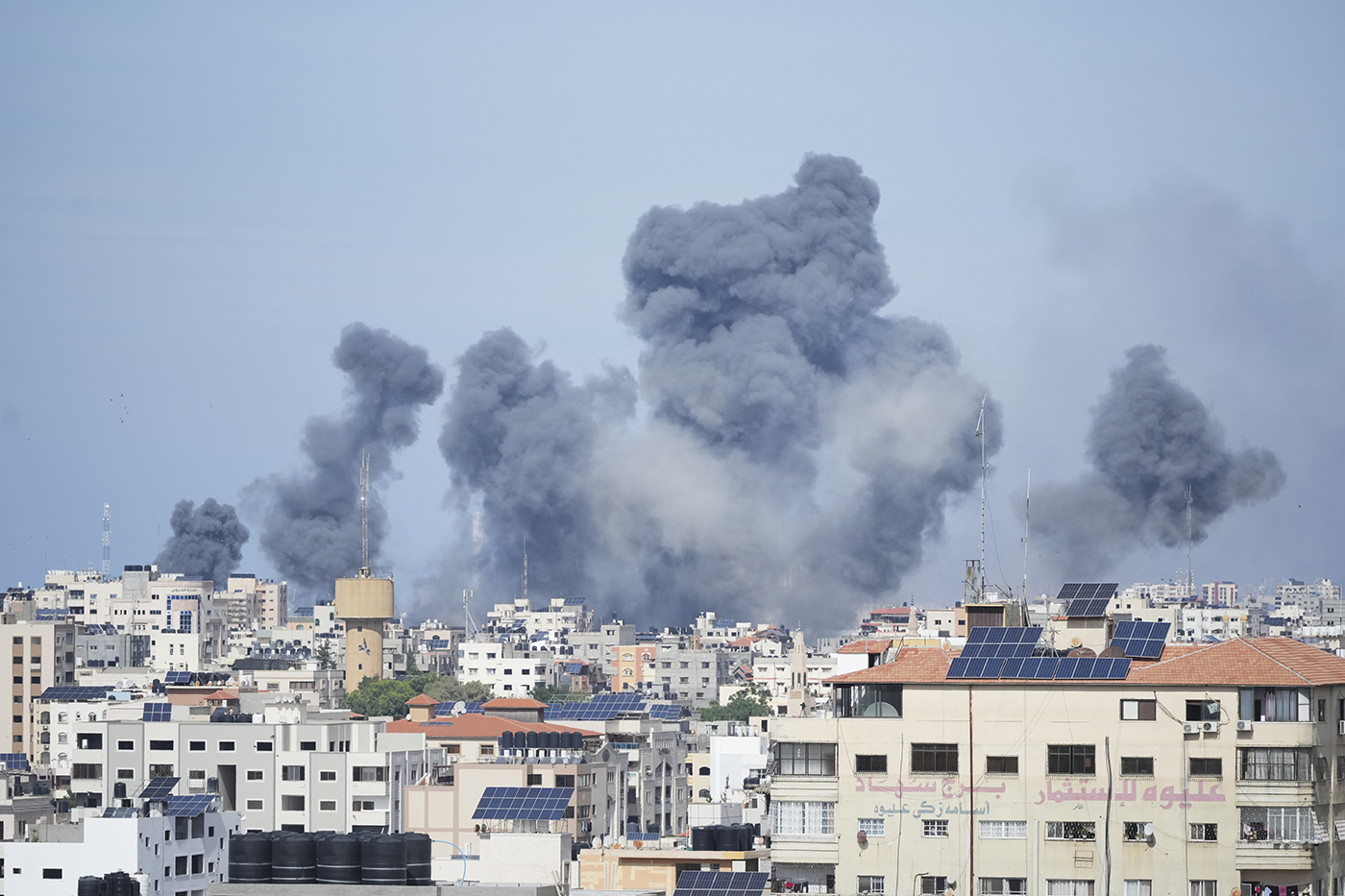
The ongoing conflict between Israel and Palestine has resulted in a complex web of human rights abuses. Reports from the United Nations, human rights organizations, and media outlets consistently highlight the severity of these violations. Israeli forces have repeatedly engaged in actions that harm civilians, including children, journalists, and medical workers. The use of excessive or indiscriminate force has led to tragic loss of life and injuries. The images coming out from Palestine show the dark side of humanity, and Israel is solely responsible for it.
The blockade on Gaza has had devastating consequences for its population. Basic necessities such as water, electricity, healthcare, and food are scarce. The situation has reached a critical point, with malnutrition affecting one in six children. Palestinian families face the demolition of their homes, eviction, and land confiscation. These actions often serve to expand illegal settlements and annex Palestinian territory, exacerbating tensions and perpetuating injustice. Furthermore, the Al-Aqsa mosque, a significant religious site for Muslims, faces restrictions on access. Violence against worshippers and protesters further compounds the crisis. Under the system of military occupation, Palestinians are denied equal rights and due process. The apartheid-like conditions persist, undermining any hope for a just and equitable resolution.
The lack of widespread support for the Palestinian cause is a multifaceted issue. The influence of the United States and other Western allies often shields Israel from international criticism. Strategic interests and political alliances play a significant role in shaping global responses. The Arab world’s fragmentation weakens its collective ability to advocate effectively for Palestinian rights. Internal divisions and conflicting priorities hinder unified action. The Palestinian leadership, both internally and externally, has struggled to provide effective representation. Unity and legitimacy remain elusive, impacting international solidarity. Apart from the failure of the Arab League, the OIC, an organization for Islamic Countries, has also failed to deliver the objectives of its creation. That has not been able to garner support for the cause of Palestine in the Muslim as well as the whole world.
The rise of extremism and acts of violence among certain Palestinian factions has alienated potential supporters. Israel’s security concerns are sometimes used to justify harsh measures. However, it is not a plausible case. When lands are occupied, the occupied have no choice except to resist the occupation. Accordingly, the resistance shape is complicated and complex. And, sometimes, it resorts to violence in reaction to the violence of the occupier. Therefore, it is critical to dispense justice. It is the primary obligation of the United Nations to implement its objectives on the conflict, which has led to international consequences. Hence, it is also a failure of the international community and, especially, the United Nations. However, hopefully, the petition by South Africa in the International Court of Justice might be an awakening call for the world’s conscience and justice system.
Then, decades of conflict have led to international fatigue. The seemingly endless cycle of violence and negotiations has dampened enthusiasm for sustained engagement.
The plight of Palestinians demands urgent attention. It is time for the international community to move beyond rhetoric and take concrete steps toward justice, accountability, and lasting peace. Only by addressing human rights violations head-on can we hope to create a more equitable future for both Israelis and Palestinians. Lastly, it is the failure of the humanity in the world. The images of Palestinian kids and their parents are heart-wrenching and disturbing.
Please, subscribe to the YouTube channel of republicpolicy.com