

Interior minister briefs prime minister on law and order after discussing provincial restructuring, grassroots devolution and counterterrorism with PML-Q chief; debate over new provinces gains momentum.
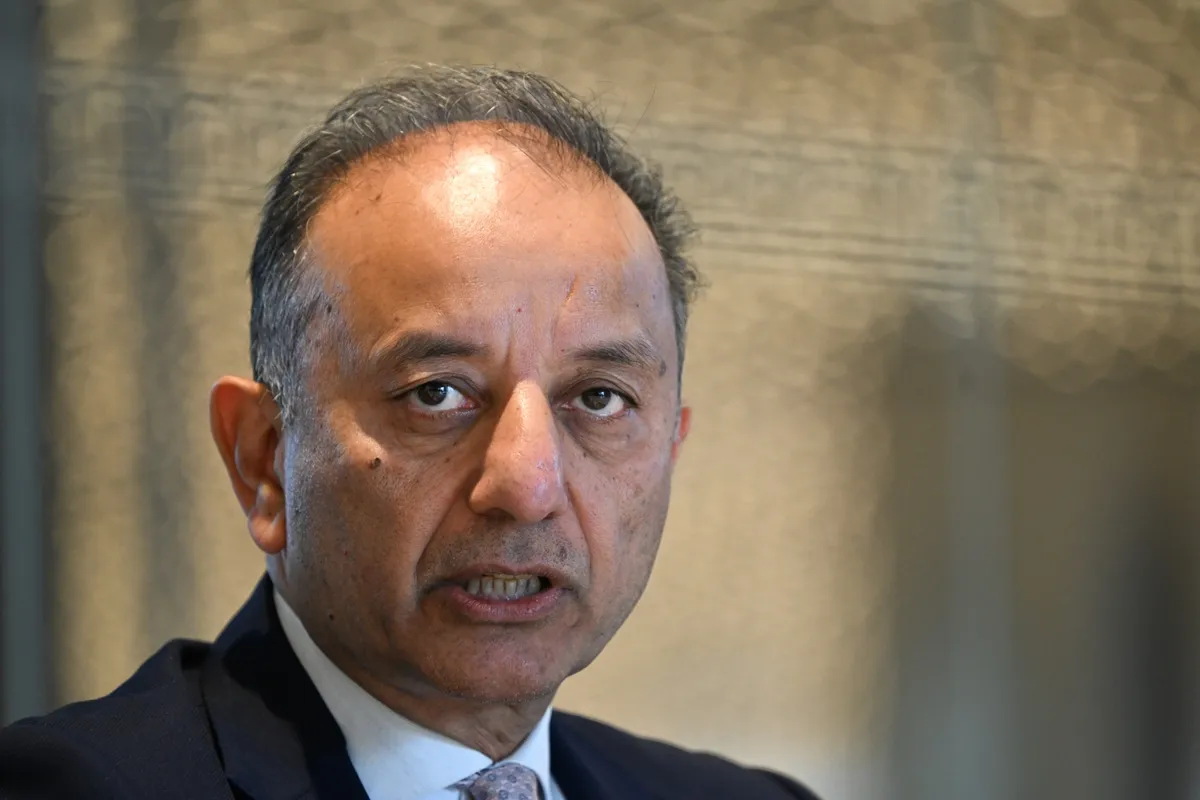
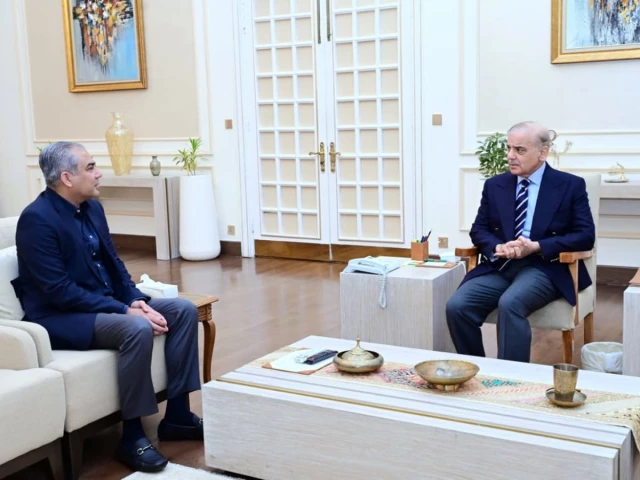
Interior Minister Mohsin Naqvi met Prime Minister Shehbaz Sharif on Monday and briefed him on the country’s overall law and order situation, following an earlier meeting with Pakistan Muslim League-Quaid (PML-Q) chief Chaudhry Shujaat Hussain in Lahore that focused on the creation of new provinces, devolution of powers and other national issues.
According to a statement issued by the Prime Minister’s Office (PMO), Naqvi briefed the premier on the prevailing security situation across the country. The two also discussed the broader national situation, although the statement did not provide further details of their conversation.
The meeting with Shehbaz came hours after Naqvi visited Chaudhry Shujaat at his Lahore residence, where the two leaders discussed proposals for establishing new provinces, strengthening administrative units and transferring authority closer to the grassroots.
The series of consultations comes amid renewed political debate over Pakistan’s provincial structure, with several political leaders expressing support for smaller administrative and federal units as a potential way to improve governance, public service delivery and the distribution of state resources.
Shujaat Links New Provinces to Better Governance
During his meeting with Naqvi, Chaudhry Shujaat Hussain emphasised that the creation of new provinces should be considered in the context of public convenience, administrative efficiency, better governance and the country’s long-term interests.
He argued that strengthening and empowering administrative units could help address governance challenges and improve the state’s ability to respond to public needs.
Shujaat stressed that ordinary citizens remained the country’s principal stakeholders and warned political leadership against failing to take decisions necessary for Pakistan’s future.
“Ordinary citizens are Pakistan’s biggest stakeholders,” he said, adding that the country would not forgive its leaders if they failed to take the right steps at the present stage.
His remarks placed public welfare at the centre of the provincial restructuring debate, suggesting that discussions about the country’s administrative geography should be guided by the interests of citizens rather than political considerations alone.
Naqvi, in turn, said decisions concerning the country’s future must be taken in accordance with the wishes of the people of Pakistan. He also briefed Shujaat on measures being undertaken to counter terrorism and maintain peace in Balochistan and Khyber-Pakhtunkhwa.
Federal Minister for Overseas Pakistanis Chaudhry Salik Hussain and Punjab Industries Minister Chaudhry Shafay Hussain were also present during the meeting.
Political Consultations Intensify
Naqvi has held a series of meetings with political leaders as discussion surrounding the creation of new provinces continues to expand. The consultations have brought the question of provincial restructuring into conversations involving senior political figures across the country’s major parties.
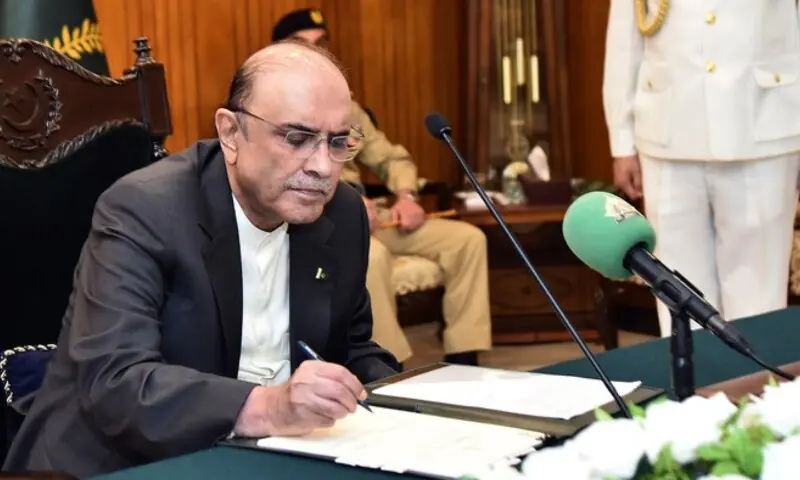
On November 12, the interior minister made an unscheduled visit to Nawabshah to meet President Asif Ali Zardari. Reports subsequently suggested that proposals concerning new provinces and the possibility of a referendum had been discussed.
However, the President’s House later rejected claims that provincial matters had featured in the meeting, clarifying that the discussions had focused on national security and the regional situation.
The differing accounts highlighted the sensitivity of the debate, particularly in Sindh, where proposals for dividing the province have historically faced strong political opposition.
Naqvi’s engagement with political leaders nevertheless reflects a continuing effort to explore the issue through consultations, although no consensus or formal decision regarding the creation of new provinces has been announced.
Referendum Proposal and Political Differences
The debate gained renewed momentum on July 31 when Naqvi advocated the creation of additional provinces or administrative units, arguing that Pakistan’s existing governance structure required comprehensive reconsideration.
He subsequently renewed the proposal in November, suggesting that political parties consider holding a referendum to gauge public opinion on the creation of new provinces. He maintained that any major decision would require consensus among coalition partners.
The referendum proposal has generated differing responses from political parties, reflecting the political, constitutional and regional sensitivities associated with territorial restructuring.
The Pakistan Peoples Party has strongly opposed moves to divide Sindh, maintaining its position against altering the province’s geographical boundaries. The Muttahida Qaumi Movement-Pakistan, meanwhile, has continued advocating the creation of additional provinces, particularly in Sindh, arguing for administrative accessibility and improved representation.
The Sindh Assembly also adopted a resolution on September 4 opposing attempts to divide the province or change its territorial boundaries, underscoring the resistance to restructuring within the provincial political establishment.
The debate has therefore evolved beyond the administrative arguments in favour of smaller units to encompass questions of political consensus, provincial identity and the constitutional process through which any restructuring would have to be undertaken.
Khawaja Asif Backs Smaller Provinces
Defence Minister Khawaja Asif has also expressed support for the creation of additional provinces, suggesting that Pakistan could have as many as 12 federal units.
He has argued that smaller provinces could improve governance, bring administration closer to citizens and strengthen the delivery of public services. His position has added weight to the growing discussion among political leaders regarding whether the country’s existing provincial arrangement adequately meets administrative and developmental requirements.
The demand for new provinces is not new. Calls for separate provincial status have emerged from several regions, including South Punjab, Bahawalpur and Hazara, with proponents citing administrative difficulties, political representation, regional disparities and uneven development.
In Punjab, the provincial assembly previously passed resolutions in 2012 supporting the creation of South Punjab and the restoration of Bahawalpur province. However, those proposals did not result in the constitutional establishment of new provinces.
The persistence of these demands reflects longstanding concerns about the concentration of political and administrative authority in provincial capitals and the difficulties faced by distant regions in accessing government institutions.
Devolution Beyond Administrative Boundaries
The renewed consultations have brought provincial restructuring back into the national political conversation, but the debate also raises a broader question about the purpose of creating new provinces.
While smaller units may offer opportunities for more accessible administration and improved regional representation, the effectiveness of restructuring would ultimately depend on how power, resources and responsibilities are distributed within the governance system.
The creation of additional provinces alone would not necessarily guarantee better governance. The institutional arrangements accompanying restructuring, including administrative authority, financial capacity, accountability and the relationship between provincial and local governments, would determine whether the change delivers meaningful improvements for citizens.
As political leaders continue their consultations, the issue is likely to remain a significant part of Pakistan’s governance debate. The discussions involving Mohsin Naqvi, Chaudhry Shujaat Hussain, Khawaja Asif and other political figures indicate that provincial restructuring is receiving renewed attention at the national level.
However, the path towards any new provinces will require political agreement, constitutional deliberation and clarity about the objectives of reform. Whether the current consultations develop into a formal initiative remains uncertain, but the debate has once again placed the question of devolution, administrative efficiency and the future structure of Pakistan’s federation firmly on the political agenda.