

Climate Change Minister calls for a fact-based approach to counterterrorism discussions in New Delhi, saying meaningful engagement should focus on lasting solutions rather than provocation.
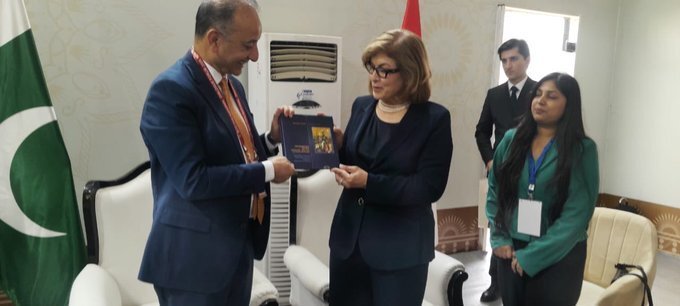
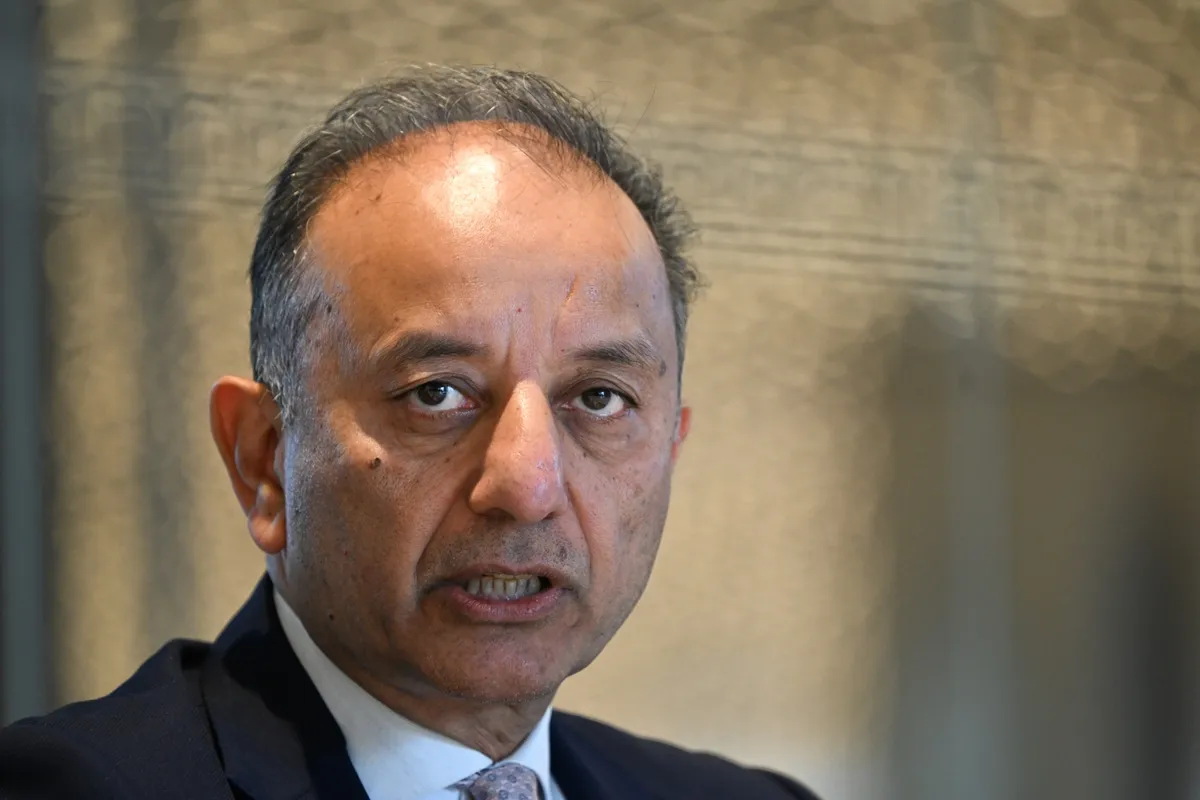
Pakistan’s Climate Change Minister Musadik Malik has said that any discussions between Pakistan and India on terrorism must be grounded in evidence, stressing that dialogue should be directed towards finding lasting solutions rather than provoking tensions between the two neighbouring countries.
Speaking to reporters in New Delhi on Sunday, Malik said Pakistan was prepared to engage in discussions on terrorism but maintained that such conversations should be based on verifiable facts and evidence. His remarks came amid continuing tensions between Islamabad and New Delhi over security issues, terrorism-related allegations and the prospects of diplomatic engagement.
“If you are seeking a lasting solution to the issue, rather than merely looking to provoke, then that is how we should proceed,” Malik told reporters in the Indian capital. “I am offering you a stable, consistent response: whenever discussions take place, they will be based on evidence.”
The minister’s statement underscored Pakistan’s position that counterterrorism discussions between the two countries should follow an evidence-based approach, rather than relying on allegations or political rhetoric. He indicated that a constructive engagement would require a consistent framework in which claims could be examined and addressed through credible information.
Islamabad Emphasises Evidence in Counterterrorism Dialogue
Malik’s remarks placed the question of evidence at the centre of any prospective discussions between Pakistan and India on terrorism. His statement suggested that the effectiveness of dialogue would depend on the substance of the claims being raised and whether both sides were prepared to engage on the basis of verifiable information.
Terrorism has remained one of the most contentious issues in relations between the two nuclear-armed neighbours. Security-related allegations have frequently complicated diplomatic engagement, while differences over responsibility, investigations and cross-border security have contributed to mistrust between the two countries.
Against this backdrop, Malik’s call for evidence-based discussions reflects an emphasis on addressing security concerns through a structured process of engagement. Rather than allowing accusations to become another source of political confrontation, his remarks point towards the need for discussions that examine facts and seek practical outcomes.
The minister’s statement also framed the distinction between dialogue aimed at resolving an issue and discussions that could further intensify political tensions. He argued that if the objective was a lasting solution, the approach should remain consistent and evidence-based.
Dialogue Rather Than Provocation
Malik’s comments highlighted the importance of intent in any engagement between Islamabad and New Delhi. His remarks suggested that discussions on terrorism should be pursued with the objective of resolving concerns, rather than using the issue to provoke political reactions or deepen bilateral hostility.
The distinction is particularly important given the difficult relationship between the two countries, where security issues have repeatedly affected the wider diplomatic environment. Meaningful dialogue requires both sides to engage with concerns through credible channels and avoid allowing political positions to replace substantive discussions.
By reiterating that Pakistan’s response would remain consistent and based on evidence whenever talks took place, Malik presented Islamabad’s position as one that favoured a defined basis for engagement.
His statement did not outline a new diplomatic initiative, a scheduled bilateral meeting or a specific mechanism for counterterrorism cooperation. However, it reinforced the principle he was advocating: discussions on terrorism should be conducted through evidence and directed towards resolving the underlying issues.
A Difficult Bilateral Relationship
Pakistan and India have a long history of tensions involving security, political disputes and competing regional interests. Terrorism remains a sensitive subject in their bilateral relationship, often carrying implications beyond security itself and affecting the prospects for broader diplomatic engagement.
The challenge for both countries has been to address security concerns without allowing every disagreement to further undermine opportunities for dialogue. Evidence-based discussions, if pursued through credible channels, could provide a basis for examining allegations, clarifying positions and identifying areas where engagement may be possible.
Malik’s remarks in New Delhi therefore carried a broader diplomatic message about the conditions under which Pakistan believes discussions on terrorism should take place. His emphasis on facts, consistency and the pursuit of lasting solutions reflected an approach in which dialogue should be measured by its ability to address substantive concerns.
Whether this position translates into renewed engagement between the two countries remains uncertain. Nevertheless, the minister’s statement made clear that Pakistan’s stated approach to discussions on terrorism is centred on evidence and a distinction between constructive engagement and provocation.
At a time when bilateral relations remain sensitive, the emphasis on fact-based dialogue presents a call for discussions that move beyond accusations and focus on addressing security concerns through credible evidence and sustained engagement.