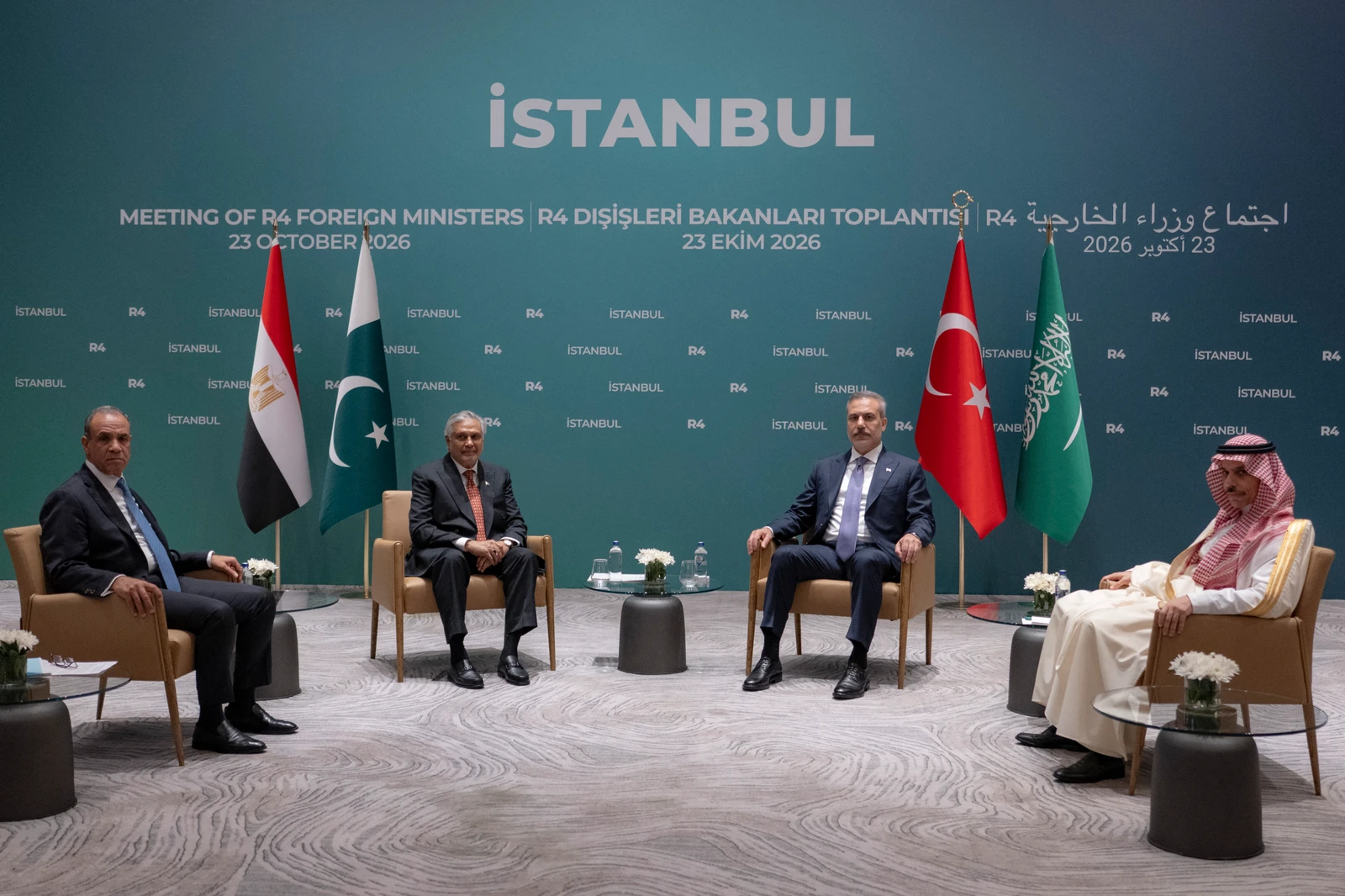

ISTANBUL: Foreign ministers and senior diplomats from eight countries, including Pakistan, Turkiye, Saudi Arabia, Egypt, Britain, France, Germany and Italy, gathered in Istanbul on Friday to discuss escalating regional tensions, the Iran-US conflict, developments in Yemen and Gaza, and threats to international maritime security.
The diplomatic meeting brought together representatives of the European group comprising Britain, France and Germany, commonly known as the E3, and the newly established regional grouping of Turkiye, Pakistan, Saudi Arabia and Egypt, known as the R4. Italy also participated in the discussions, which focused on strengthening diplomatic coordination and preventing further military escalation across the Middle East.
The participants examined several pressing international challenges, including the continuing Russia-Ukraine war, the Palestinian question, instability in Yemen and the consequences of tensions between Washington and Tehran. Particular attention was given to ensuring uninterrupted commercial shipping through the Strait of Hormuz and the Bab al-Mandab Strait, two strategically important waterways for international trade and energy supplies.
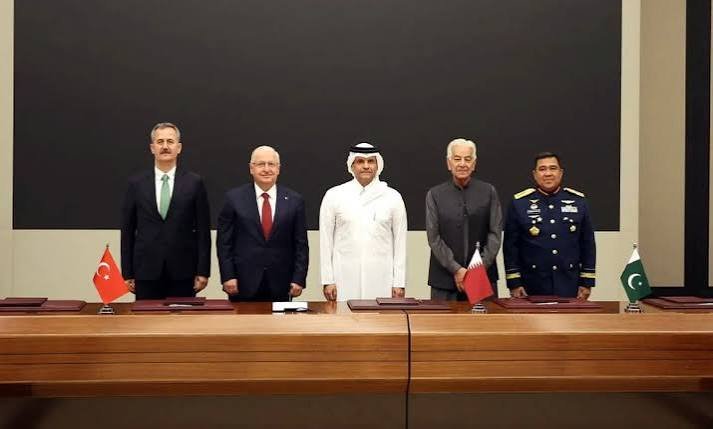
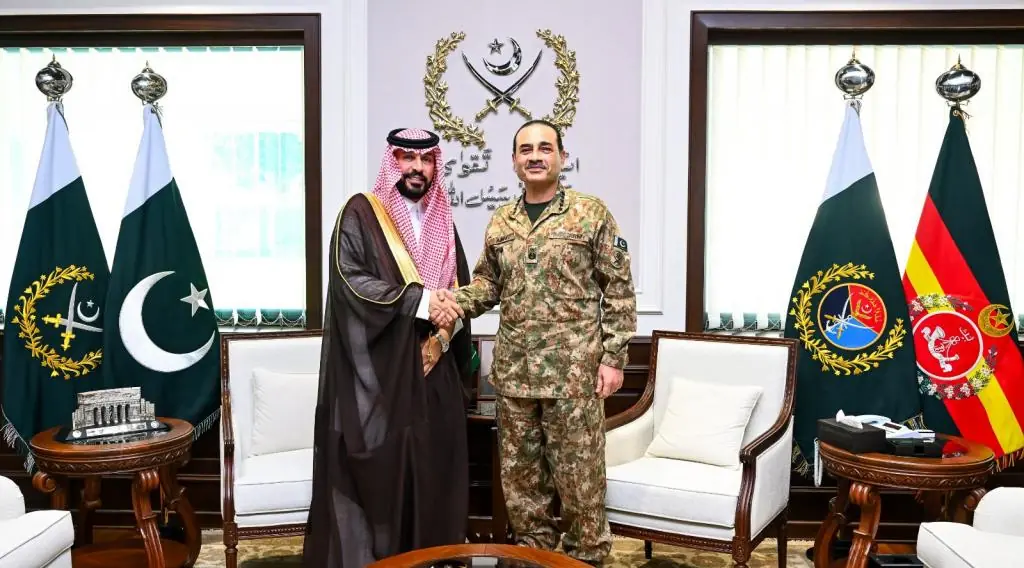
The talks took place as Pakistan formally completed the ratification process for the Makkah Defence Alliance, a trilateral security agreement involving Pakistan, Saudi Arabia and Turkiye.
Pakistan’s Foreign Ministry confirmed the development on Friday, describing the agreement as a framework for strengthening collective security, enhancing joint deterrence and promoting regional stability.
The ministry maintained that the alliance was defensive in character and was not established against any particular country or political actor.
The agreement, originally concluded in August, represents a significant development in defence cooperation among the three participating countries. Turkiye has also indicated that the arrangement could eventually accommodate additional regional partners, including Egypt.
Diplomacy Takes Centre Stage Amid Iran-US Tensions
Turkish Foreign Minister Hakan Fidan, who hosted the Istanbul meeting, emphasised that renewed military action against Iran would deepen instability and risk expanding the conflict beyond its existing boundaries.
He argued that diplomatic engagement and negotiations offered the only sustainable means of ending the confrontation.
According to Fidan, none of the participating countries supported another military intervention or fresh attacks against Iran.
The Turkish foreign minister also highlighted the importance of developing regional mechanisms capable of addressing security challenges without excessive dependence on outside powers.
He described the emerging diplomatic platform as particularly useful because of its informal structure, flexibility and ability to bring together countries with different geographical and political interests.
Fidan maintained that regional countries should assume greater responsibility for managing disputes affecting their collective security.
He argued that lasting stability could not simply be introduced through external intervention and that countries directly affected by regional conflicts must play a leading role in resolving them.
European Ministers Warn Against Further Escalation
French Foreign Minister Jean-Noel Barrot expressed concern that another confrontation between Iran and the United States could have serious economic consequences, particularly for global energy markets.
He warned that renewed hostilities would benefit neither side and could trigger substantial increases in oil and gas prices.
Barrot said the participating countries intended to encourage Washington and Tehran to exercise maximum restraint, stressing that the region could not afford another round of military escalation.
Italian Foreign Minister Antonio Tajani similarly called for diplomatic measures to reduce tensions and restore maritime security.
He argued that military operations alone could not resolve the problems affecting navigation through the Strait of Hormuz.
According to Tajani, reopening and securing the waterway was essential for international economic stability, but achieving that objective required negotiations and constructive engagement with Iran.
The discussions reflected growing international concern that further confrontation in the Gulf could disrupt energy transportation, increase commercial shipping costs and place additional pressure on economies already facing uncertainty.
Yemen and Maritime Security Remain Major Concerns
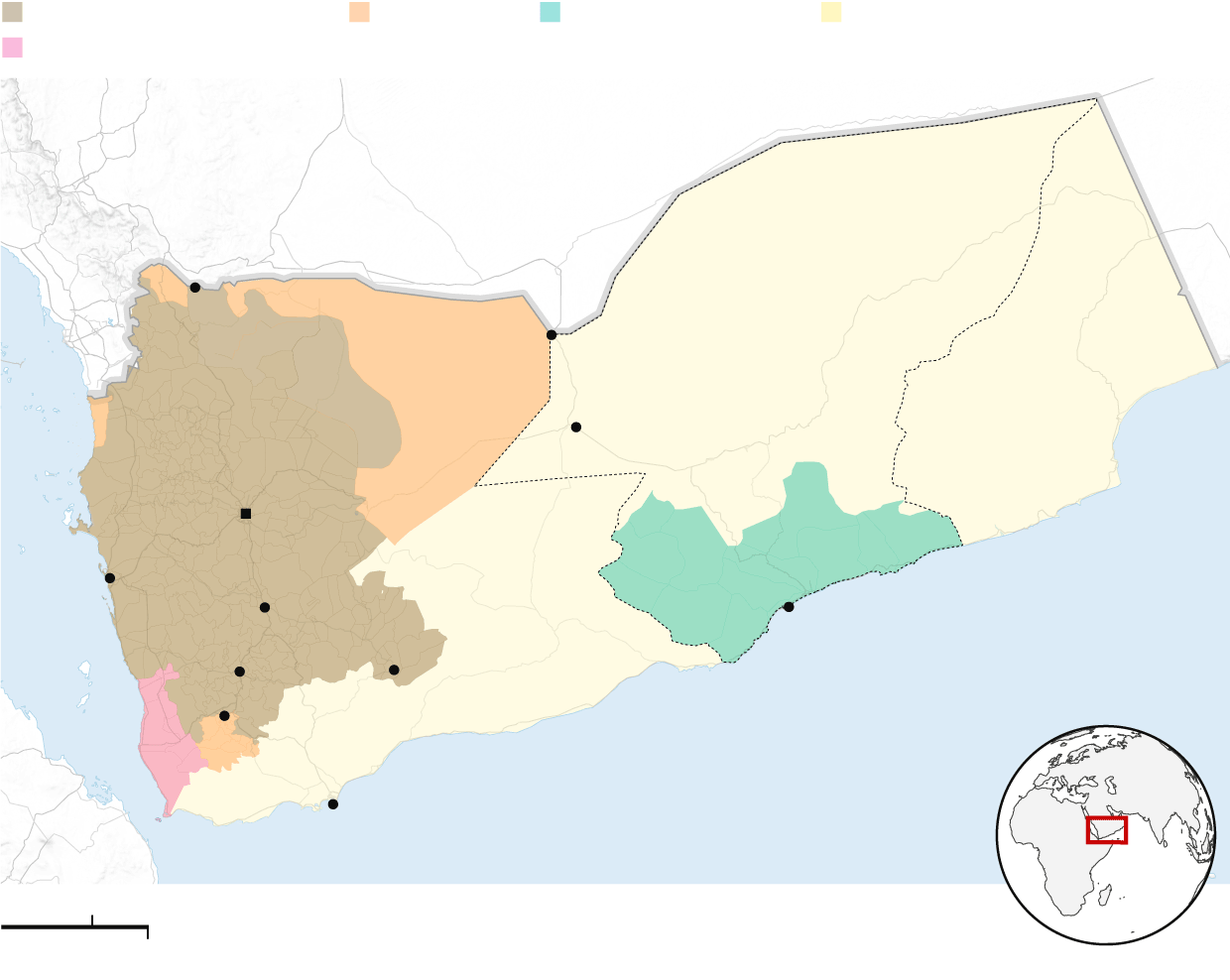
The security situation in Yemen also featured prominently in the Istanbul discussions.
Fidan reaffirmed support for Saudi Arabia’s security amid continuing attacks by Yemen’s Houthi forces and emphasised the importance of safeguarding maritime routes in the Gulf and the Red Sea.
The Strait of Hormuz and Bab al-Mandab are particularly significant because they connect major energy-producing regions with international markets.
Any prolonged disruption to navigation through these passages could have consequences extending far beyond the Middle East.
The participating countries therefore discussed the need for sustained cooperation to protect freedom of navigation and prevent regional military developments from undermining international trade.
The talks also explored opportunities for closer diplomatic consultation among European and Middle Eastern countries on issues involving regional stability, collective security and conflict resolution.
Makkah Alliance Strengthens Regional Defence Cooperation
Pakistan’s ratification of the Makkah Defence Alliance added an important security dimension to the diplomatic gathering.
The agreement establishes a collective defence arrangement between Pakistan, Saudi Arabia and Turkiye, with an emphasis on joint deterrence and cooperation against external security threats.
Islamabad has maintained that the agreement is intended to strengthen regional peace rather than confront any particular state.
For Turkiye, the alliance also forms part of a broader effort to promote security arrangements based on cooperation among regional countries.
The participation of Egypt in the R4 diplomatic grouping further reflects efforts to expand political consultation beyond the three original signatories of the defence agreement.
While the defence alliance and the diplomatic grouping remain distinct arrangements, both reflect an increasing emphasis on coordinated responses to regional security challenges.
Eight Countries Agree to Continue Consultations
Following the Istanbul meeting, Barrot announced that the participating countries had agreed to maintain their diplomatic engagement through regular meetings.
He described the discussions as constructive and indicated that the participating governments intended to continue working together on issues of shared concern.
The E3 grouping was established more than two decades ago to coordinate diplomatic efforts concerning Iran’s nuclear programme. The R4, by comparison, emerged this year as a platform bringing together Egypt and the three countries associated with the Makkah Defence Agreement.
The Istanbul gathering represents an attempt to connect European diplomatic engagement with emerging regional cooperation mechanisms at a time of heightened geopolitical uncertainty.
With tensions involving Iran, the United States and Yemen continuing to threaten regional stability, the participating countries have placed renewed emphasis on dialogue, restraint and coordinated diplomatic action.
The meeting also highlighted the growing significance of Pakistan, Saudi Arabia and Turkiye in efforts to develop regional security arrangements while maintaining diplomatic engagement with European powers