
Peru has temporarily suspended operations of sightseeing airline Aerodiana after one of its planes crashed in the country’s Ica region on Saturday, killing 11 European tourists and two crew members.
Aerodiana, which flies visitors over the Nazca Lines archaeological site in southern Peru, must halt all operations “until investigations are completed to verify the company’s compliance with the applicable aviation regulations, procedures and operating requirements,” Peru’s Ministry of Transportation and Communications said Sunday.
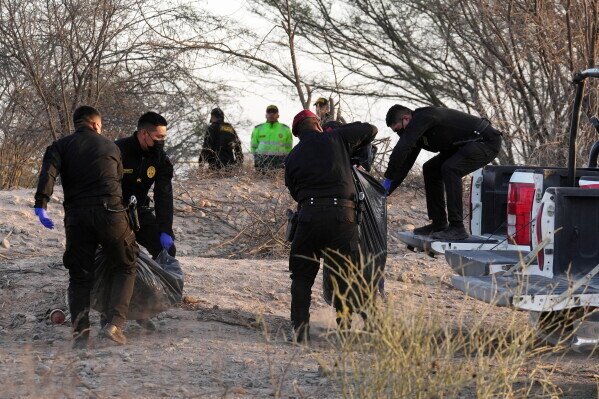
Peruvian officials said the crew of the small sightseeing plane had reported a mechanical problem before radio contact was lost. “There was a call from the aircraft indicating that it was experiencing mechanical problems,” Foreign Trade and Tourism Minister Rogers Valencia told reporters at the crash site near the Nazca Lines, the UNESCO World Heritage site whose ancient desert geoglyphs, depicting animals and geometric shapes, are best viewed from the air. The flight had been carrying tourists to view the markings.
The ministry said the pilots of the Cessna 208B Grand Caravan, which can carry 12 passengers, notified the control tower at Nazca airfield of the emergency in the aircraft’s final radio transmission. Valencia said Peru’s Aviation Accident Investigation Commission is now analyzing that call, the plane’s flight path, and mechanical evidence from the wreckage, though authorities have not yet said whether the reported mechanical issue caused the crash.
Tourists Among Those Killed
Those aboard included 11 tourists from Spain, Italy, and Germany, along with two Peruvian crew members. Valencia said seven Italian and two German tourists died, along with two Spanish tourists, according to official information. He added that Italian and German consular officials were present at the scene, and that “there will be immediate results, and the process of assessing the condition of the wreckage will provide an in-depth understanding of the cause” of the accident.
Italy’s Foreign Ministry said its embassy in Lima remained in contact with Peruvian authorities and that the families of the Italian victims had already been notified. Italian Prime Minister Giorgia Meloni wrote, X: “On behalf of the Italian government and on my own behalf, I express my deepest condolences to their loved ones at this time of immense grief.”
Valencia said Pisco Airport, from which the Aerodiana flight departed, remains “fully operational,” adding that authorities “need to determine the extent of liability” in the crash. Asked whether Pisco Airport itself might face suspension, Peruvian President Keiko Fujimori told reporters that the option “is being evaluated,” but said she preferred to wait until the investigation concludes and ministers submit their reports.
In a statement issued before its operations were suspended, Aerodiana extended condolences to the victims’ families and said it was “fully prepared to provide the necessary support.” The airline said: “Throughout our 18 years of operation, we have maintained an unwavering commitment to the safety of our passengers and crews. Therefore, this incident affects us deeply and reaffirms our willingness to cooperate with full accountability in whatever is required by the authorities.”
According to the ministry, the crash occurred around 1 p.m. local time, roughly 2 kilometres from Nazca airfield, after the plane took off from Pisco Airport for a sightseeing flight over the Nazca Lines.
A History of Fatal Crashes
This is not the first fatal accident involving sightseeing flights near the Nazca Lines. In 2022, five tourists and two Peruvian crew members died when an aircraft went down near the site, according to Reuters. In 2010, four British tourists and two Peruvian crew members were killed in a separate light aircraft crash in the same area.