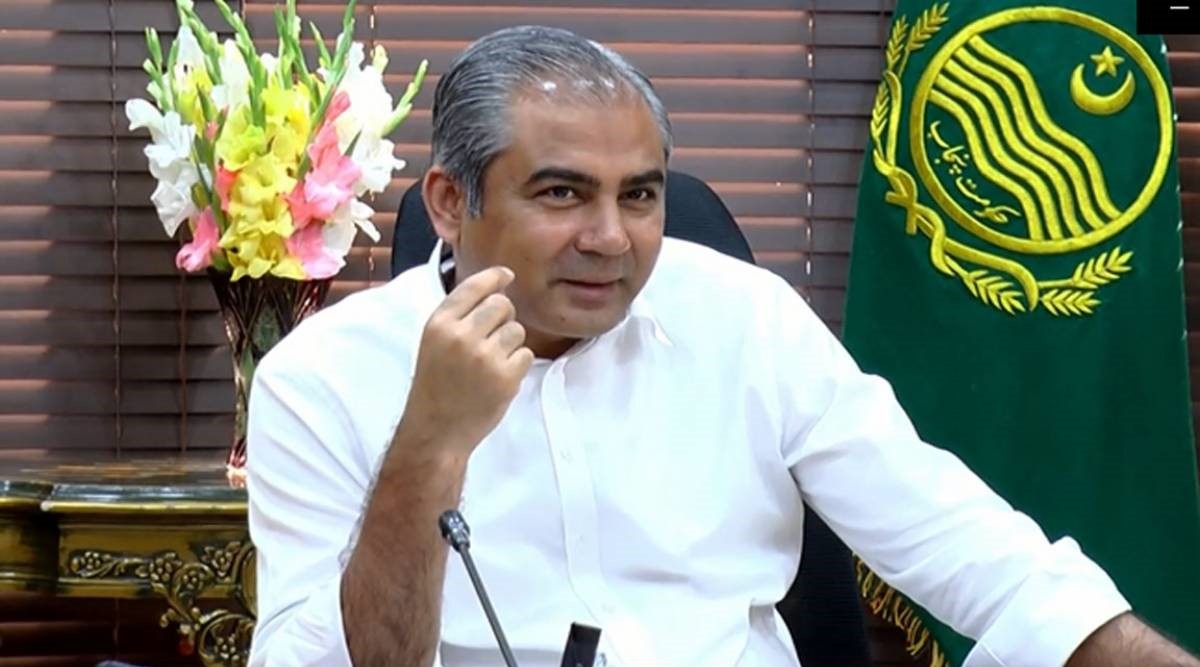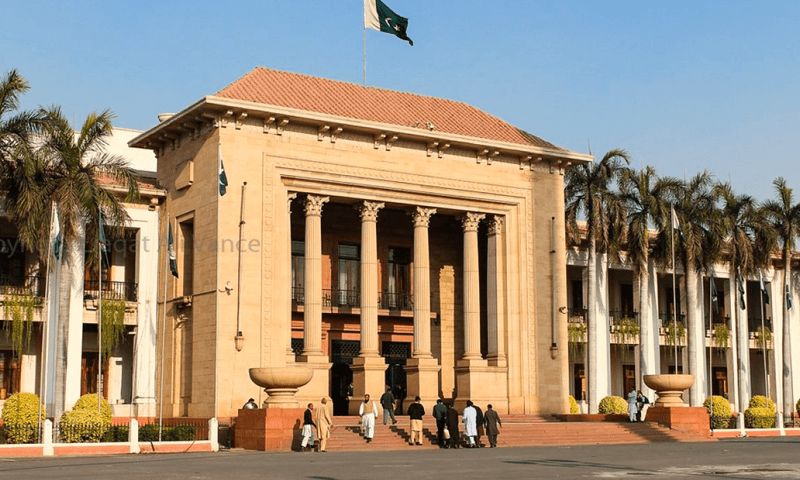

LAHORE, November 16, 2026: Punjab Assembly Speaker Malik Muhammad Ahmad Khan has endorsed the proposal for holding a referendum on the creation of new provinces, arguing that the people’s will should take precedence over the preferences of elected representatives on matters of national importance.
Speaking to the media after inaugurating the Educational Arena Expo in Lahore on Friday, the speaker invoked the Constitution of 1973, maintaining that ultimate political authority rests with the people. Referring to the federal interior minister’s recent suggestion of a referendum on the creation of new federating units, he said public opinion should be sought directly before a decision is made.
“If the people say new provinces should be created, then go ahead and create them; and if they say they should not be formed, then do not,” Malik Muhammad Ahmad Khan said.
Addressing the position of the Pakistan Peoples Party (PPP), which has opposed the creation of new provinces in Sindh on the grounds that it represents the province’s electorate, the speaker argued that a referendum would provide a direct expression of public preference. He maintained that if the people of Sindh themselves voted in favour of new provinces, their decision should be respected.
However, the proposal has also exposed an important constitutional distinction between popular consultation and the formal exercise of legislative authority.
Prime Minister’s Adviser Rana Sanaullah offered a more cautious interpretation, arguing that parliament would retain the final authority over the creation of new provinces, even if a referendum were conducted. Speaking to a private television channel, he said the constitutional authority to hold such a referendum remained an unresolved question and emphasised that any formal process for establishing new federating units would have to pass through parliament.
He added that the issue had not yet been formally brought before the legislature. Once taken up, a policy statement would be followed by parliamentary debate.
The difference between the two positions raises a fundamental question about the relationship between popular sovereignty and constitutional procedure. A referendum may establish public preference, but the creation of new provinces requires constitutional and legislative action. Under Article 239 of the Constitution, a constitutional amendment altering the limits of a province requires approval by a two-thirds majority of the total membership of the provincial assembly concerned, in addition to the constitutionally prescribed parliamentary process.
The debate is therefore not simply about whether citizens should be consulted. It is also about how their expressed preference should be translated into a legally valid constitutional arrangement.
The question of new provinces has remained politically sensitive in Pakistan, particularly because of competing concerns involving provincial identity, administrative efficiency, representation and the distribution of political power. While supporters argue that additional provinces could improve governance and bring public administration closer to citizens, opponents fear that the issue could intensify regional divisions and create new political disputes.
The discussion also highlights the need to distinguish between the creation of new provinces and the strengthening of local governments. Provincial restructuring concerns the territorial and constitutional organisation of the federation, whereas effective local government decentralises administrative and political authority within existing provinces. The two reforms may complement each other, but one cannot automatically substitute for the other.
During his interaction with journalists, Malik Muhammad Ahmad Khan also commented on Jamiat Ulema-i-Islam-Fazl (JUI-F) chief Maulana Fazlur Rehman. Describing him as a powerful orator, the speaker advised him to exercise caution when addressing sensitive subjects such as terrorism, arguing that complex national challenges required reasoned discussion and constructive political engagement.
The latest remarks have brought the debate over provincial restructuring back into the national political conversation. Whether the proposal advances, however, will depend on political consensus, constitutional clarity and a willingness among political parties to distinguish genuine administrative reform from the competition for territorial and political influence.