
Saudi Arabia has temporarily shut its vital East-West oil pipeline after an aerial attack, adding fresh pressure to global energy supplies as Houthi forces expand their presence around the Red Sea and disruptions continue in the Strait of Hormuz.
The pipeline was closed after a drone strike that Saudi Arabia and Iraq said originated from Iraqi territory, where Iran-backed militias operate. Baghdad subsequently dismissed a military commander in response to the incident. Saudi authorities said the pipeline was shut as a precaution following the attacks.
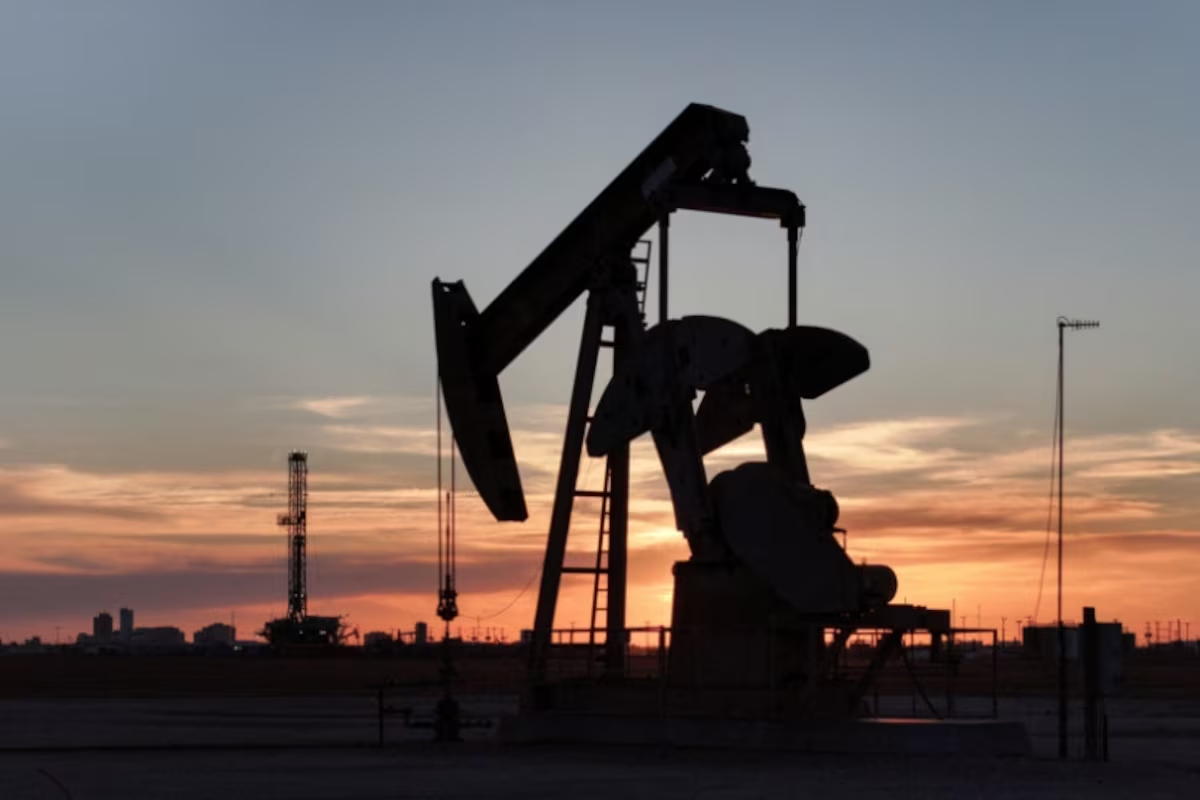
The 1,200-kilometre pipeline stretches across the Arabian Peninsula and has become particularly important during the widening regional conflict. It allows Saudi crude to move towards the Red Sea, providing an alternative to the Strait of Hormuz, where tanker traffic has fallen sharply because of the war between the United States and Iran.
The significance of the shutdown is considerable. According to ship-tracking companies and analysts cited in the report, the pipeline has carried between 4 million and 5 million barrels of oil per day in recent months—equivalent to roughly 4% to 5% of global supply. Saudi Arabia, the world’s largest crude exporter, therefore faces pressure on a route that had become increasingly important as shipping through Hormuz declined.
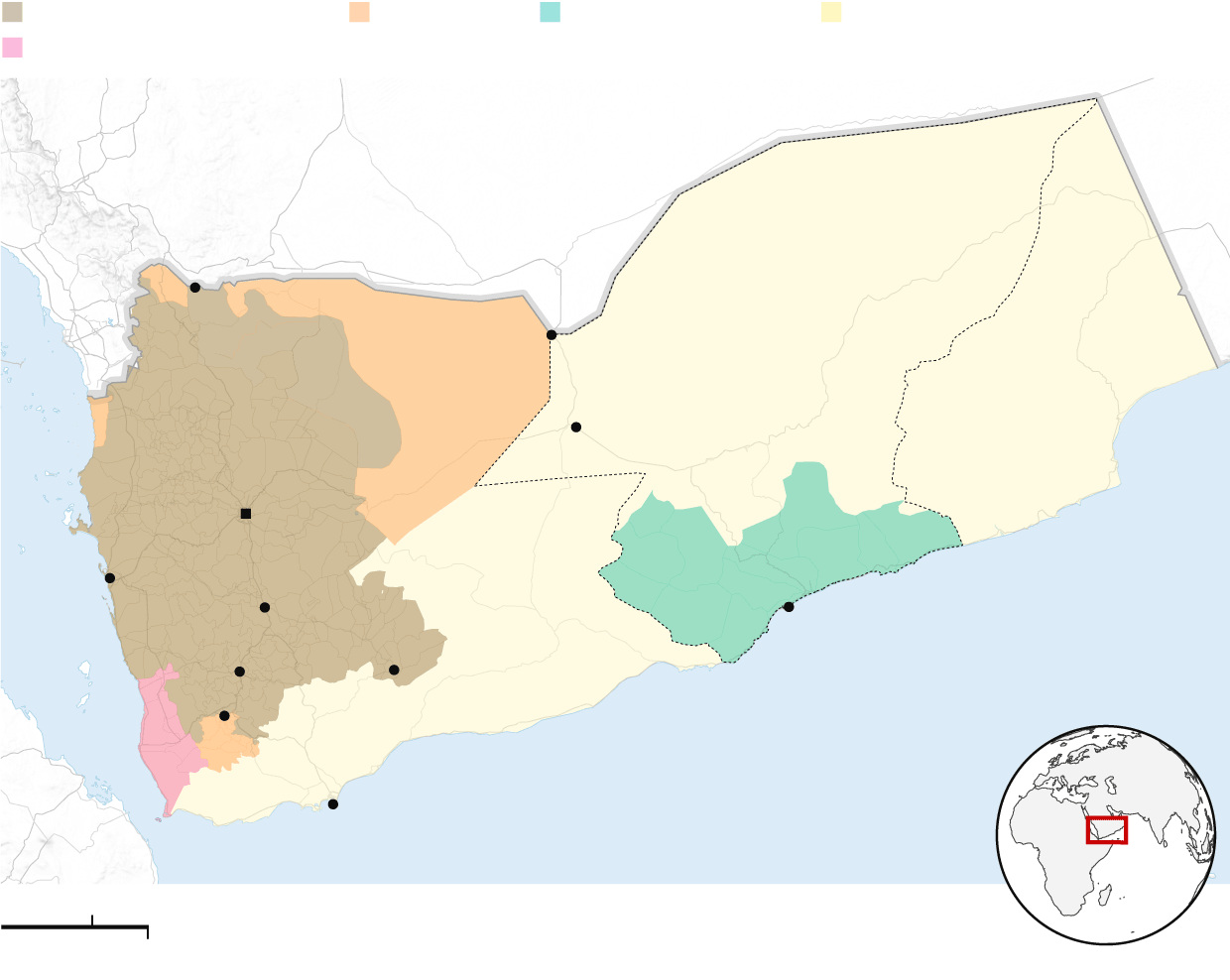
The disruption comes as the Houthis strengthen their position around another crucial global shipping route. Yemeni government sources said Houthi forces seized the strategic island of Perim on Friday. The island lies in the Bab el-Mandeb Strait at the entrance to the Red Sea, giving developments there particular importance for international shipping and energy flows.
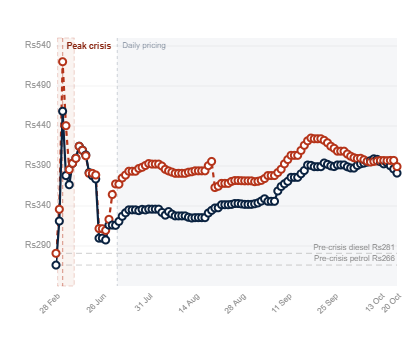
The combination of instability around the Red Sea and disruption in the Strait of Hormuz is placing pressure on both sides of the Arabian Peninsula. Oil prices have already climbed back above $100 a barrel as markets respond to growing risks surrounding some of the world’s most important energy routes.
The developments also underline the widening regional dimensions of the conflict. Saudi Arabia is now confronting risks to its oil infrastructure while Houthi advances threaten shipping around the Bab el-Mandeb. The report also says Riyadh has sought US military assistance from President Donald Trump’s administration to counter the Houthi advance.
The immediate question is how long the East-West pipeline will remain closed and whether Saudi Arabia can maintain oil exports through alternative arrangements. But the broader concern is increasingly clear: simultaneous insecurity around the Strait of Hormuz and the Red Sea is narrowing the safe routes available to Gulf energy exporters and increasing risks for global oil markets.