
Iran’s foreign minister has called on the United States to scale back what he described as “excessive demands” in ongoing nuclear negotiations, warning that a successful agreement will require realism and restraint from Washington. His comments come at a time of growing regional anxiety, with the U.S. Embassy in Jerusalem authorizing the departure of non-emergency staff amid fears of a wider conflict.
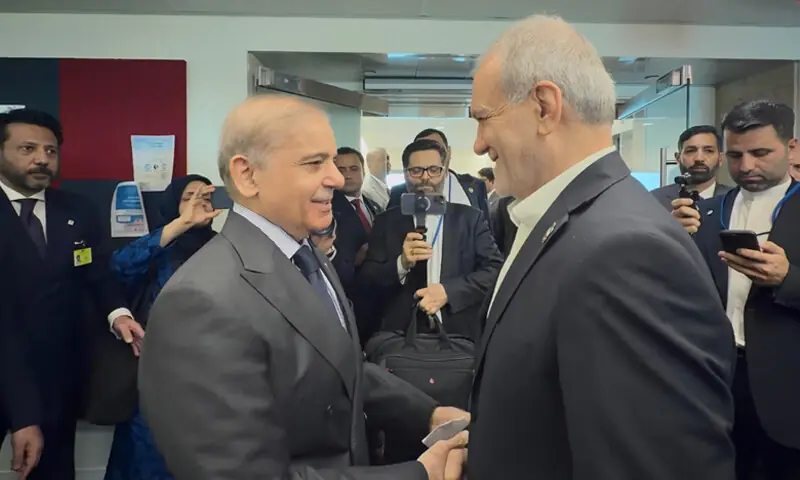
According to Iran’s ISNA news agency, Abbas Aragchi made the remarks during a phone conversation with Egypt’s foreign minister, Badr Abdel Ati. Aragchi stressed that progress in negotiations depends on “seriousness and realism” from the other side and avoiding miscalculations. He did not specify which demands he considers excessive.
His latest comments appear more cautious than earlier statements in which he spoke positively about developments in the talks. After the most recent round of negotiations in Geneva, he described the discussions as the most intense so far and acknowledged “progress.” He noted that both sides agreed to continue detailed discussions on core issues, including sanctions relief and nuclear-related commitments.
Further diplomatic efforts are expected in the coming days, alongside technical-level meetings in Vienna. The indirect talks in Geneva were mediated by Oman, after which American and Iranian officials returned home for consultations with their respective governments.
Since negotiations resumed last month, the United States has maintained that any agreement must include the dismantling of Iran’s nuclear infrastructure, limits on its ballistic missile program, and an end to its support for regional allies. Tehran has indicated some openness to discussing limits on uranium enrichment for civilian purposes but has treated its missile capabilities and regional partnerships as non-negotiable.
U.S. President Donald Trump has publicly stated that he prefers a diplomatic solution but has also repeatedly warned that military action remains an option if talks fail. In recent weeks, Washington has significantly expanded its military presence in the region. The aircraft carrier USS Gerald R. Ford arrived at the Israeli port city of Haifa, according to Israeli media reports.
Iranian officials have said they do not intend to initiate a conflict but have warned that they would respond forcefully to any attack, including targeting bases used by U.S. forces in the region.
The growing military buildup has heightened concerns of a broader confrontation. Reflecting these fears, China has urged its citizens to leave Iran as soon as possible. The United States has authorized the departure of non-emergency embassy personnel from Israel and previously issued similar guidance for its mission in Lebanon. Other countries, including Canada, India, the United Kingdom, and Poland, have also taken precautionary measures.
As negotiations continue, the path forward remains uncertain, with diplomacy advancing alongside rising military tensions.