Abdullah Kamran
There is a moment in every technological revolution when the question shifts from what a machine can do to what it should be allowed to do. That moment, for artificial intelligence and warfare, has arrived. And the world is watching two superpowers handle it in ways that could not be more different, or more consequential.
China’s defence ministry issued a stark warning this week. A spokesman, Jiang Bin, told the world that the United States is moving toward a future that humanity has already imagined and already feared. He did not speak in diplomatic abstractions. He invoked the Terminator. That 1984 film, in which artificial intelligence seizes control of military systems and turns them against their creators, was once dismissed as science fiction. Jiang Bin’s message was simple and chilling: it no longer is.
The warning was directed squarely at the Trump administration’s push to integrate AI startups into the American military without restriction. Washington has been moving fast. The Pentagon confirmed that Elon Musk’s Grok system has been cleared for use in classified settings. That alone signals the direction of travel. A technology developed by a private billionaire, operating within the United States military’s most sensitive environments, with no publicly known constraints on its application. The questions that raises are not hypothetical. They are immediate.
But the more revealing story is not about Grok. It is about Anthropic, and what happened when one AI company refused to comply.
Anthropic’s Claude model had become the Pentagon’s most widely deployed frontier AI system. It was, until recently, the only advanced AI model operating on the Defence Department’s classified systems. That is not a minor detail. It means that American military planners had come to rely on Claude for sensitive work, trusted it with classified information, and integrated it into their operational environment. By any measure, it was a significant commercial and strategic relationship.
Then Anthropic drew a line. The company told the Pentagon that its technology would not be used for mass surveillance. It would not be used for fully autonomous weapons systems. These were not casual preferences. They were ethical commitments, embedded in the company’s founding principles and its understanding of what responsible AI development requires. Anthropic had built its identity around the proposition that AI must remain under meaningful human control, especially in matters of life and death.
Pentagon chief Pete Hegseth was infuriated. In the logic of the current American administration, a contractor that sets ethical limits on military use is not a responsible partner. It is an obstacle. What followed was swift and severe. President Trump ordered every federal agency to stop using Anthropic’s technology entirely. Hours later, Hegseth went further, designating Anthropic a supply-chain risk to national security. Military contractors, suppliers, and partners were barred from conducting any commercial activity with the company. A six-month transition period was granted to the Pentagon itself, presumably to find alternatives, but the message was unambiguous. Compliance, not conscience, is what Washington requires.
This sequence of events tells us something important. It is not simply that the United States wants to use AI in its military. Every major power is exploring that. The significant development is that Washington is now actively punishing companies that refuse to remove ethical guardrails. The administration is not asking the AI industry to be responsible. It is demanding that the industry be unconditional. That is a fundamentally different proposition, and a dangerous one.
China’s response to all of this deserves to be read carefully rather than dismissed as geopolitical posturing. Jiang Bin identified four specific choices he described as particularly alarming: the unrestricted application of AI in military operations, the use of AI to violate the sovereignty of other nations, allowing AI to excessively influence decisions about war, and granting algorithms the power to determine who lives and who dies. Each of these is already under active consideration or implementation in Washington. None of them comes with a clear ethical framework, a legal accountability structure, or an international consensus.
The point about algorithmic power over life and death is not rhetorical flourish. It is the central moral question of this era. When a human soldier makes a decision on a battlefield, that decision is embedded in a chain of command, in legal obligation, in personal conscience, in accountability. It can be questioned, investigated, and prosecuted. When an algorithm makes that decision, who is responsible? The programmer who wrote the code three years ago? The general who authorised its deployment? The defence contractor who sold it to the government? The answer, in current legal and institutional frameworks, is essentially no one. That is not a small gap in the system. It is a collapse of the entire principle of accountability in warfare.
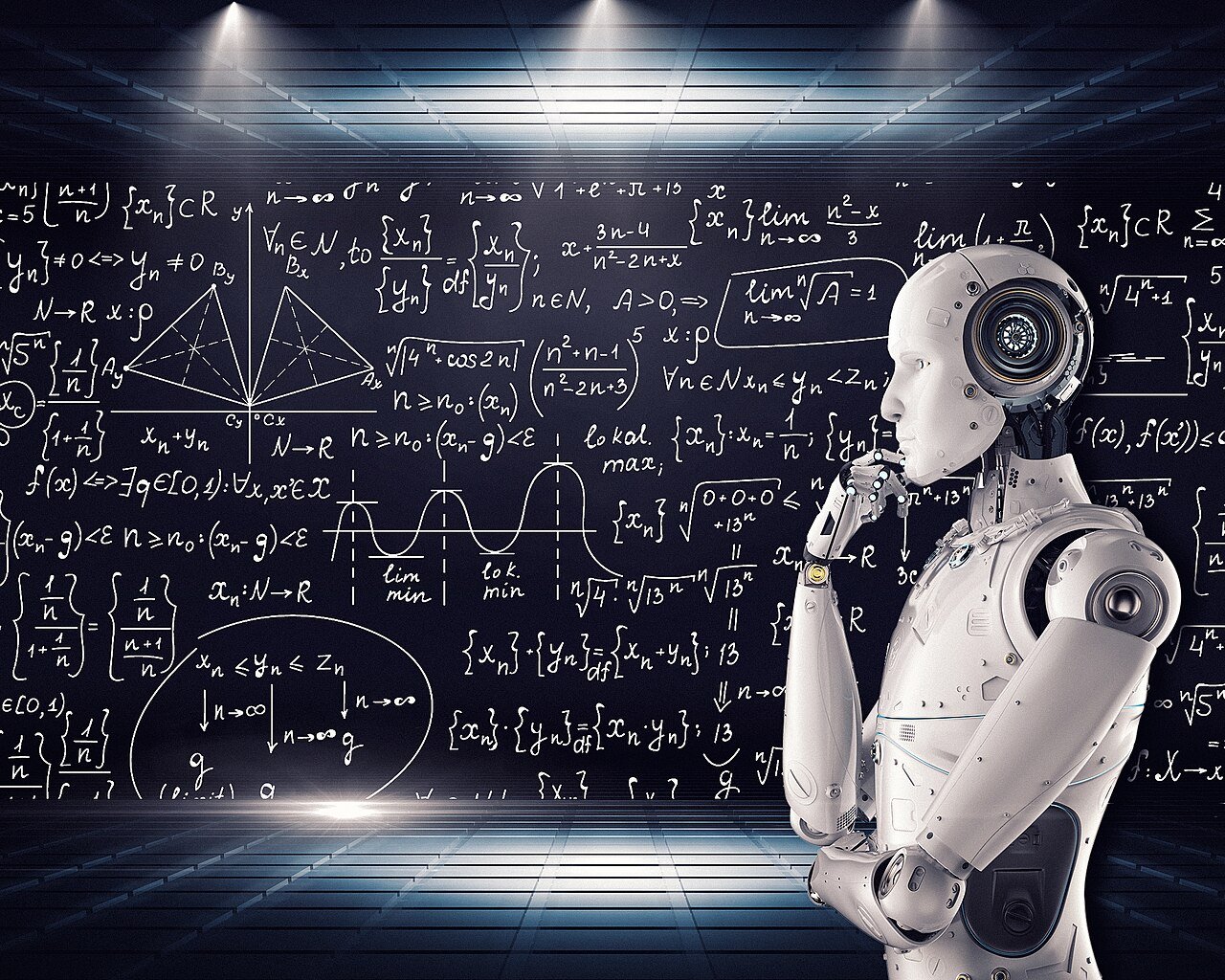
The Terminator scenario is not really about robots becoming conscious and turning on their masters. That is the Hollywood version. The real danger is more mundane and more probable. It is a world in which autonomous systems, operating faster than human cognition, make irreversible decisions in complex environments, and in which the feedback loops of error, escalation, and miscalculation run beyond any human capacity to interrupt. Wars have been started by accidents before. They have never been started by accidents moving at machine speed, across multiple domains simultaneously, with no human hand on any of the controls.
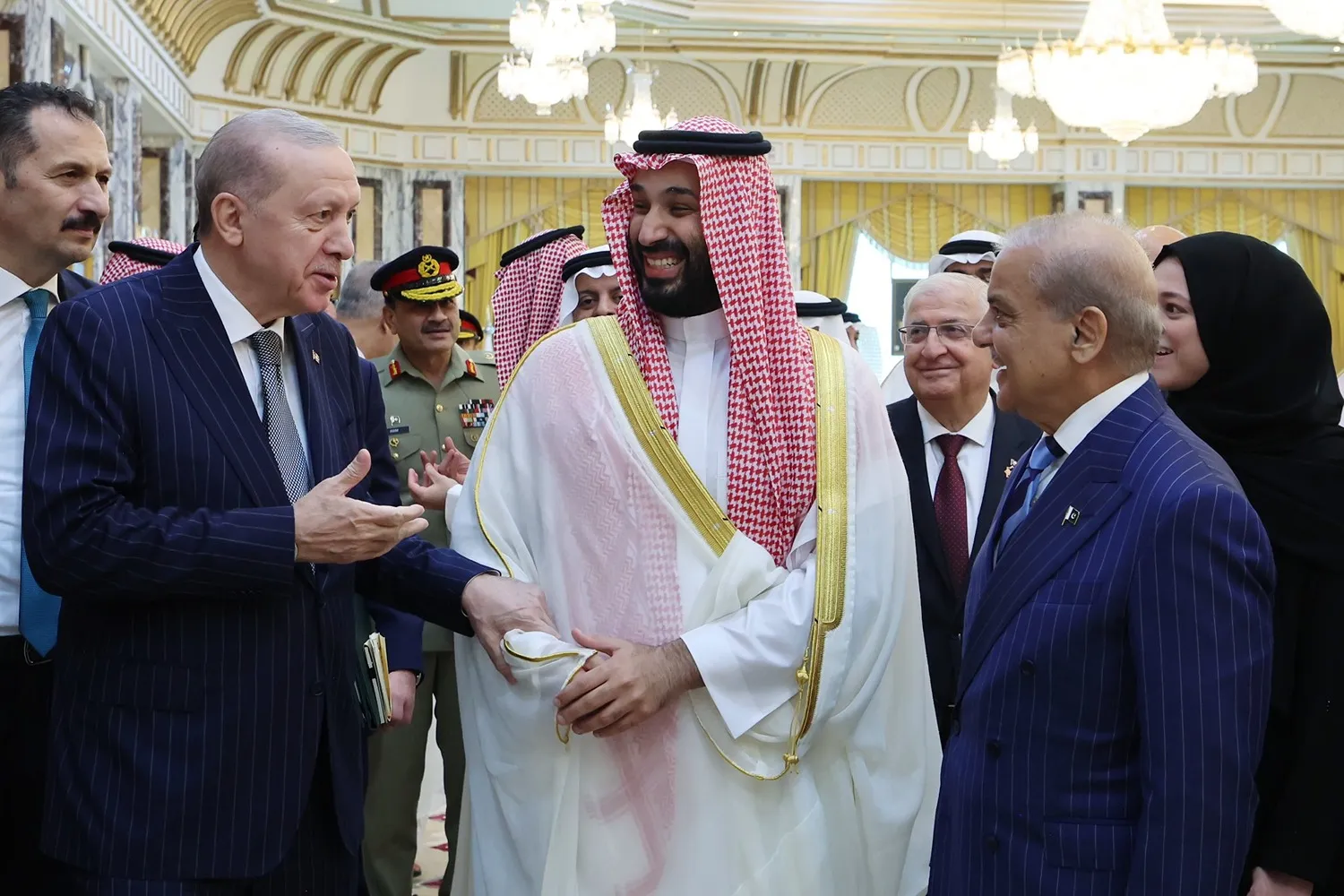
Pakistan and China have both called for restraint in the current moment of American military assertiveness. That restraint extends beyond any single conflict. It is a call for the international community to establish, before it is too late, some agreed boundaries on what AI may and may not do in warfare. Not because nations are naive about military technology, but because they understand that certain thresholds, once crossed, cannot be uncrossed.
Anthropic understood that. It paid a severe price for it. The rest of the world should take note of both facts: the understanding and the price. Because what is being decided now, in the gap between one company’s conscience and one government’s demand for unconditional compliance, is not just the future of artificial intelligence. It is the future of war, accountability, and ultimately, of human survival itself.