
14 March 2026
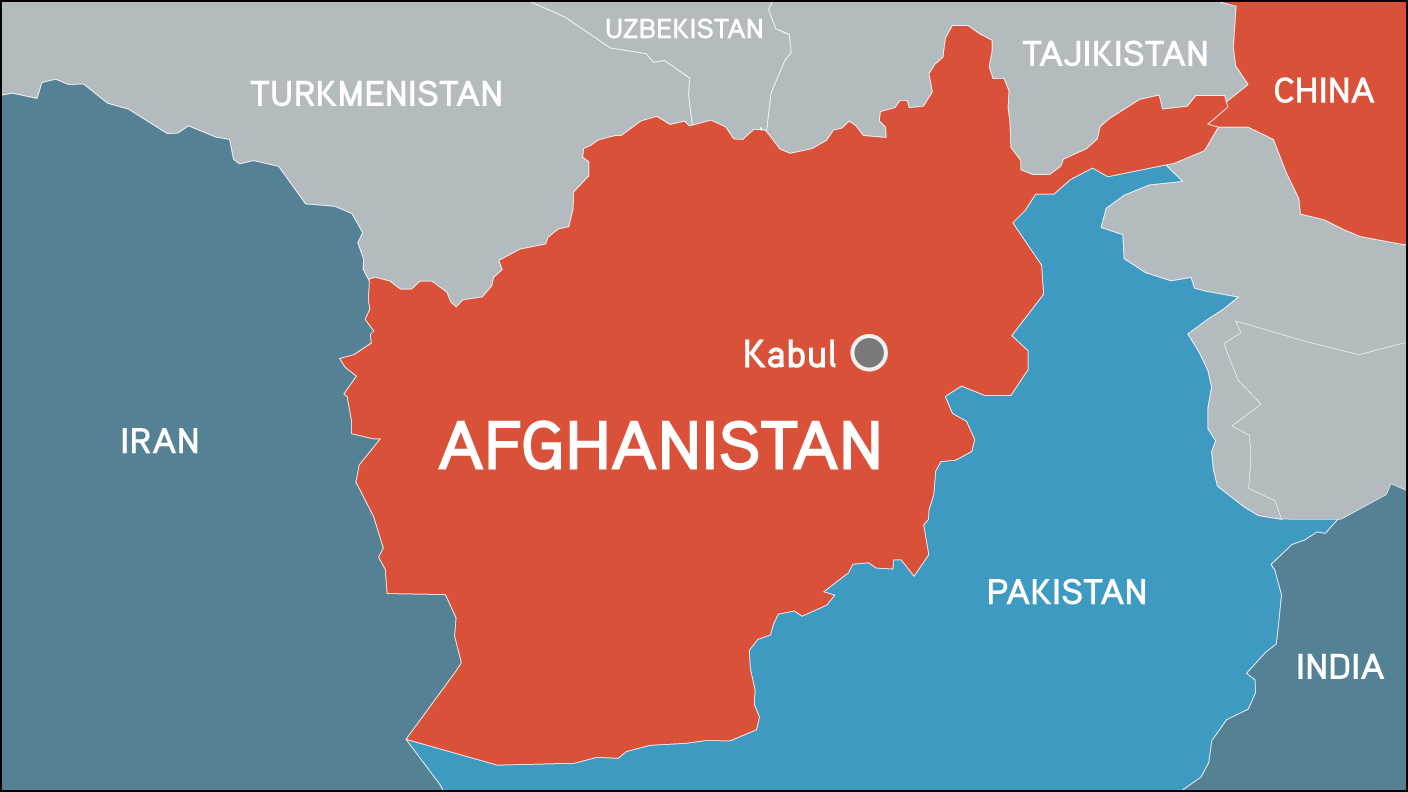
The fragile relationship between Pakistan and Afghanistan has entered its most dangerous phase yet, with credible reports emerging that both nations are edging toward a full-scale military confrontation. What began as persistent cross-border skirmishes and escalating diplomatic hostility has now hardened into something far more consequential: the real possibility of open war between two nuclear-adjacent neighbours sharing a volatile 2,600-kilometre frontier.
Senior security analysts in Islamabad warn that the Taliban regime, increasingly isolated and economically desperate, is actively courting foreign powers hostile to Pakistan. Intelligence assessments suggest that state and non-state actors with longstanding interests in destabilising Pakistan are quietly positioning themselves behind Kabul, sensing an opportunity they have waited years to exploit. Afghanistan, under Taliban rule, is no longer merely a difficult neighbour. It is becoming an instrument in the hands of Pakistan’s adversaries.
The collapse of back-channel diplomacy between Islamabad and Kabul in recent weeks has removed the last cushion absorbing these shocks. Pakistani military planners are now openly discussing scenarios previously considered theoretical. The Taliban, for their part, show no appetite for compromise, emboldened by external patrons promising strategic cover.
This trajectory raises a question that Islamabad can no longer defer: if the Taliban cannot be reasoned with and are being weaponised against Pakistan, is regime change in Kabul not merely desirable but strategically unavoidable?
The Afghan people never chose this government. Perhaps the time has arrived for the region to help them choose differently, before the guns make every option irreversible.