
Editorial
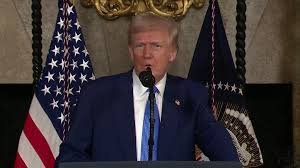
Donald Trump’s latest Truth Social outburst reveals something far more significant than mere presidential temper. It exposes the growing fault lines between Washington and Tel Aviv over where this war is headed and who is actually steering it.
Israel’s strike on Iran’s South Pars gas field, part of the world’s largest natural gas reserve shared with Qatar, drew an Iranian retaliatory strike on Qatari energy infrastructure, spiked global energy prices, and apparently caught Trump off guard. Or so he claims. Israeli newspapers tell a different story entirely, with senior outlets reporting the attack was coordinated in advance with Trump himself, who allegedly discussed the strike with Gulf leaders over the preceding weekend. The contradiction is glaring.
Trump’s language is revealing. He described Israel as having “violently lashed out” out of anger, words one reserves for reckless actors, not trusted allies conducting calibrated military operations. His all-caps declaration that Israel will make no further strikes on South Pars, unless Iran targets Qatar again, reads less like allied coordination and more like a public reprimand.
The deeper divergence is strategic. The United States has focused on degrading Iran’s military hardware: missiles, drones, naval assets. Israel has pursued something far more ambitious, targeting regime leadership, Basij units, and critical civilian infrastructure, with the stated goal of igniting popular uprising. Netanyahu has never concealed his ambition to topple the Islamic Republic. Trump, according to analysts familiar with his thinking, wants a clean, declared victory he can sell politically, not an open-ended regime change campaign.
With American public support for the war falling below fifty percent, and midterm elections on the horizon, Trump cannot afford Netanyahu’s ambitions becoming his liability. The alliance holds, but the strain is unmistakable.