Editorial
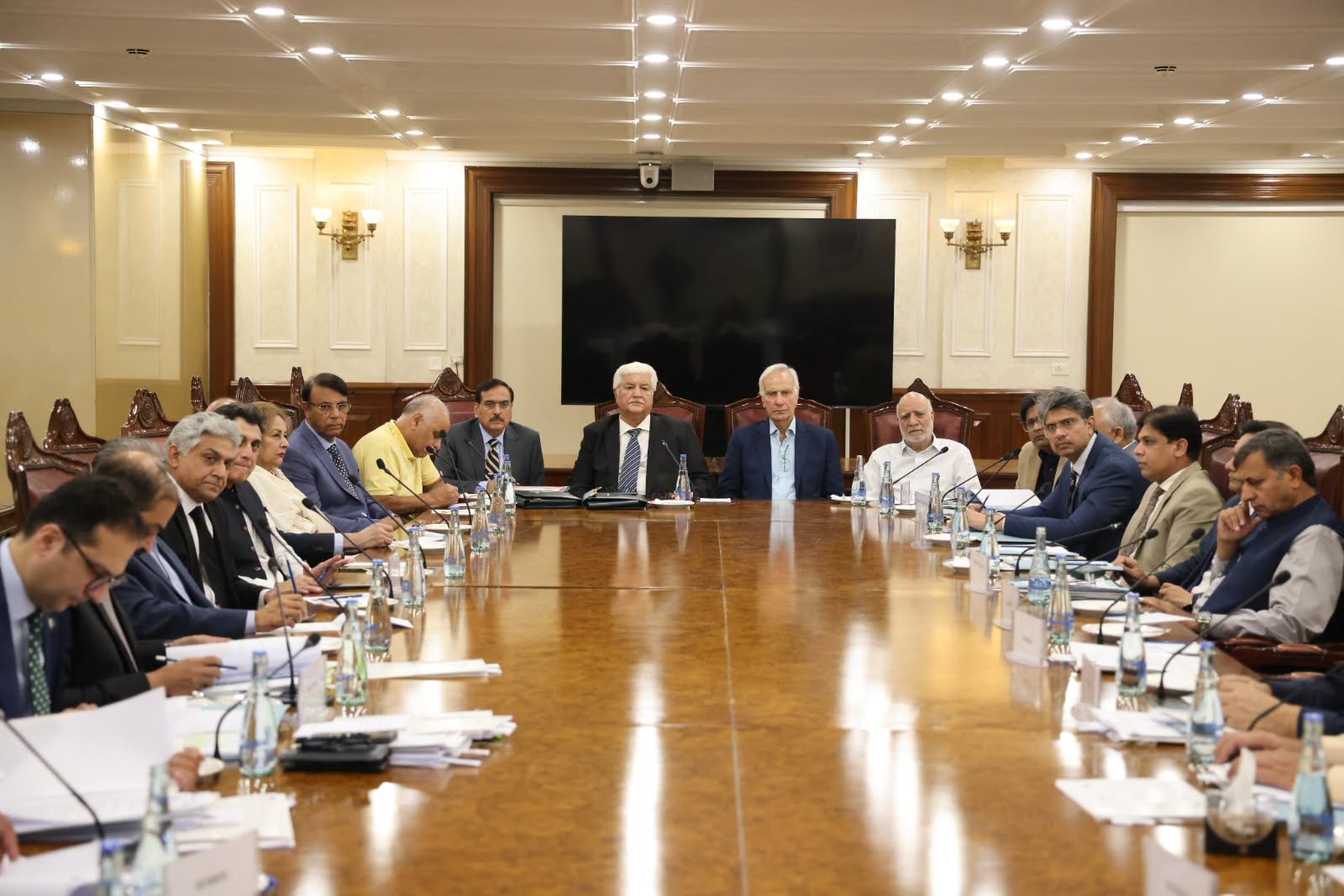
Pakistan is entering a critical week of budget negotiations with the International Monetary Fund, as an IMF mission arrives in Islamabad to finalise taxation measures and expenditure priorities for the coming fiscal year. At the heart of the discussions lies a fundamental tension: the government’s desire to ease the burden on salaried workers and the corporate sector, set against the Fund’s insistence on fiscal discipline and additional revenue mobilisation of roughly Rs230 billion.
The IMF has set demanding benchmarks. The overall budget deficit must be contained at 3.5% of GDP, a primary surplus of Rs2.8 trillion must be achieved, and the tax-to-GDP ratio must rise by a further 0.3% to reach 11%. The FBR’s collection target for the next fiscal year is being set at approximately Rs15.3 trillion. These are numbers that leave little space for generosity.
Prime Minister Shehbaz Sharif, however, is pushing for meaningful relief. He wants the super tax abolished, capital value tax withdrawn, corporate income tax reduced to around 22% over the medium term, and income tax slabs eased across the board, with special attention to middle-income earners. The government has committed that any relief extended to one segment will be offset by additional taxation elsewhere, ensuring a net zero impact on revenues.
A new traders’ tax scheme is also being proposed, charging 1% of annual turnover as income tax, with a threshold of approximately Rs300 million in sales. Traders joining the scheme would be exempt from point-of-sale registration and required only to file a simplified one-page return.
What emerges from these negotiations will define the economic character of the next fiscal year. Pakistan needs relief. The IMF demands restraint. The budget, when presented, will reveal exactly how much of one was sacrificed for the other.