
Editorial
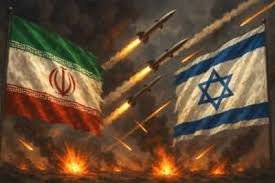
There is a recurring temptation in Pakistani foreign policy circles to overstate the country’s regional leverage, and nowhere is this more visible than in the current debate over Pakistan’s role in the US-Israel-Gaza conflict. Some voices have floated the idea of Pakistan as a mediator. The suggestion, however well-intentioned, is analytically weak. Mediation is not a diplomatic courtesy extended to willing parties. It is a function of power. Mediators succeed because they bring leverage, security guarantees, economic weight, or credible enforcement capacity to the table. Qatar mediates because it hosts the American military base and Hamas’s political leadership simultaneously. Egypt mediates because it controls the Rafah crossing. Saudi Arabia mediates because it controls oil and holds financial keys to regional reconstruction. Pakistan holds none of these cards in this particular theatre, and pretending otherwise is not diplomacy. It is self-delusion.
What Pakistan does possess, however, is something rarer and genuinely underutilised: a credible, multi-directional network of relationships. Pakistan shares a border with Iran and maintains functional, if complex, ties with Tehran. It enjoys deep fraternal bonds with the Arab world, particularly the Gulf states. It retains strategic importance for Washington, however transactional that relationship has become. This unique positioning does not make Pakistan a mediator. It makes Pakistan a potential facilitator, a country capable of keeping communication channels open, conveying messages between parties who refuse direct contact, and quietly reducing the temperature when it threatens to boil over.
That facilitation role is not a lesser contribution. In diplomacy, the quiet courier is often more consequential than the loudly announced mediator. Pakistan should stop chasing the optics of mediation it cannot sustain and instead invest seriously in the facilitation role it is genuinely equipped to play. Clarity about one’s actual capacity is not weakness. It is the beginning of effective foreign policy.