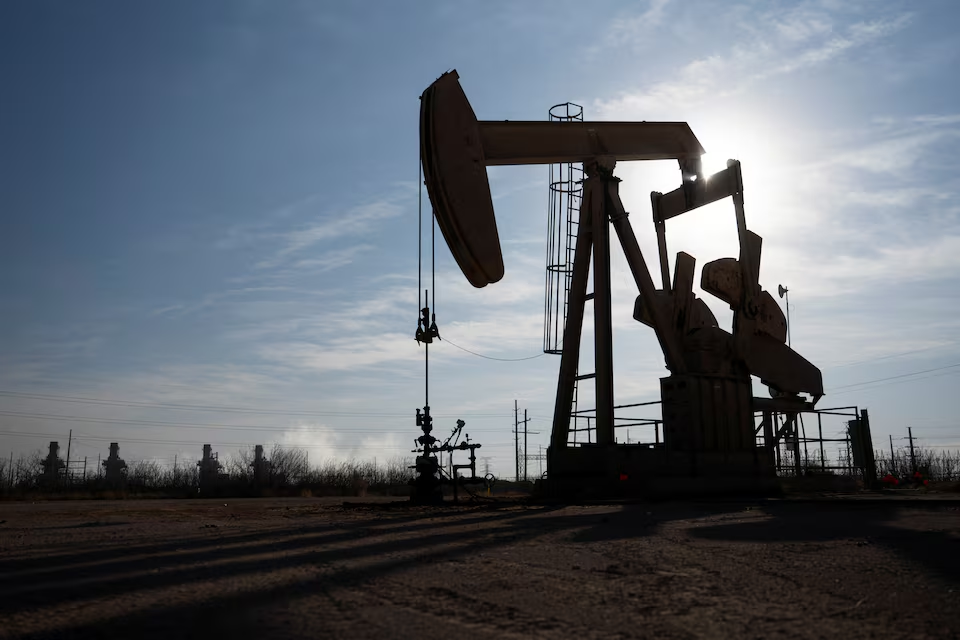

Energy Crisis Is Changing How the World Thinks About Fuel
A global oil price surge—triggered by rising geopolitical tensions—is pushing consumers and governments toward electric vehicles (EVs) and green technology at a much faster pace.
As fuel costs rise sharply, people are actively looking for cheaper, more stable alternatives to petrol and diesel.
Why Oil Prices Are Driving This Shift
Recent conflicts in the Middle East have disrupted global energy markets, causing oil prices to spike significantly.
- Petrol prices have increased rapidly across multiple regions
- Energy costs are contributing to inflation and economic pressure
- Consumers are now reconsidering long-term fuel dependency
Experts say this kind of price shock often accelerates major energy transitions worldwide.
Electric Vehicles Are Back in Demand
After a slower start to 2026, electric vehicles are seeing a strong comeback in interest and sales.
- EV searches and demand have increased sharply
- Used electric cars are becoming especially popular
- In some markets, EV sales are now overtaking petrol vehicles
Higher fuel prices are one of the biggest factors influencing buyers to switch to electric cars.
It’s Not Just Cars — Green Tech Is Booming
The shift isn’t limited to vehicles. Consumers are also turning toward:
- Solar panels
- Heat pumps
- Induction cooking systems
These technologies are becoming more attractive as they reduce dependence on volatile oil and gas markets.
Cost Factor: Why EVs Are Becoming More Attractive
One major reason behind this trend is long-term savings:
- EV owners avoid rising fuel costs
- Electricity prices are generally more stable than petrol
- Lower maintenance costs add extra savings
In some regions, switching to EVs or hybrids can significantly reduce monthly fuel expenses, making them financially viable within a few years.
Challenges Still Remain
Despite growing interest, there are still barriers to widespread adoption:
- High upfront cost of electric vehicles
- Limited charging infrastructure in some areas
- Consumer concerns about battery range
However, experts believe that if oil prices remain high, these concerns may become less important compared to fuel savings.
What This Means for the Future
The current energy crisis could mark a turning point in global transportation and energy use.
- Countries may accelerate clean energy policies
- EV adoption could grow faster than expected
- Long-term oil demand may begin to decline
Historically, major oil shocks have often led to lasting changes in energy behavior, and this time may be no different.
Final Thoughts
What started as a fuel crisis is quickly becoming a catalyst for change.
As oil prices rise, the world is moving closer to a future where electric vehicles and renewable energy are not optional—but essential.
👉 The shift toward green technology may have just entered its fastest phase yet.