
Editorial
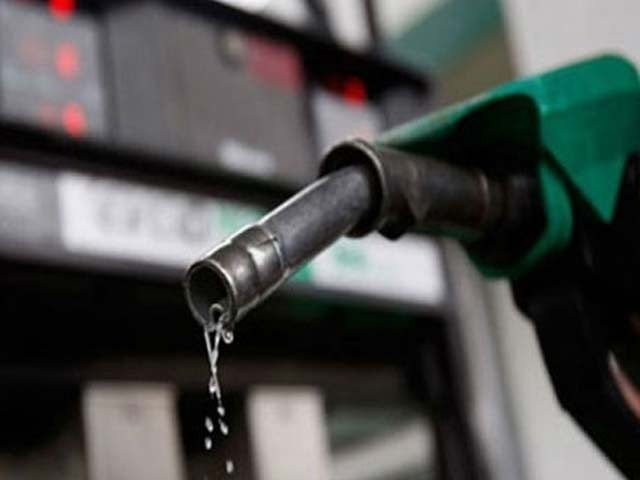
The government’s recent decision to raise petrol prices to 458 rupees per litre and diesel to 520 rupees per litre has intensified the economic challenges facing Pakistan’s common citizens. While officials argue that these adjustments are necessary to align domestic fuel costs with global markets and reduce fiscal deficits, the immediate impact falls disproportionately on the poor and working class, for whom every increase in living costs is felt sharply.
Fuel is not merely a commodity; it is the backbone of the economy. Transportation, agriculture, industry, and logistics all depend heavily on petrol and diesel. When prices rise, the cost of commuting, transporting goods, and producing essentials increases. In Pakistan, where nearly 45 percent of the population lives near or below the poverty line, the hike in petrol and diesel translates directly into higher household expenditures, reduced purchasing power, and heightened economic vulnerability.
The increase in fuel prices also pushes up the cost of essential goods and services. Daily-wage laborers, small shopkeepers, and informal sector workers face compounded pressures as transport and commodity costs rise, leaving them with fewer options to sustain livelihoods or meet basic needs.
From a governance perspective, the move raises serious concerns about equity and social protection. While the government cites international market pressures and fiscal constraints, there is little evidence of accompanying relief measures or subsidies to shield the most vulnerable. The absence of robust safety nets risks public resentment, social unrest, and an erosion of trust in institutions.
Economically, sharp fuel hikes also threaten small businesses and the informal economy, which rely on diesel for transportation and operations. Politically, the perception of neglect toward ordinary citizens can exacerbate societal divides and weaken public confidence in state policies.
In conclusion, while Pakistan faces genuine energy and fiscal challenges, imposing the burden solely on citizens through petrol at 458 rupees and diesel at 520 rupees per litre is unsustainable and inequitable. A balanced approach would combine gradual price adjustments with targeted relief programs, subsidies for vulnerable groups, and long-term reforms in energy and revenue management. Without such measures, the fuel hike risks deepening poverty, increasing the cost of living, and intensifying public dissatisfaction, threatening both social stability and the credibility of governance.