
Editorial
The guns have not fallen silent in the Persian Gulf. Despite a ceasefire reached in early April, U.S. Central Command conducted fresh strikes against Iranian targets — boats allegedly laying mines and missile launch sites — as Secretary of State Marco Rubio warned that the Strait of Hormuz would be reopened “one way or the other.” Meanwhile, Iran’s foreign minister was in Doha negotiating a potential deal, and President Trump dangled both olive branch and sword in the same breath on Truth Social. The region remains a powder keg.
For Pakistan, this unfolding crisis is not a distant spectacle. It is a mirror.
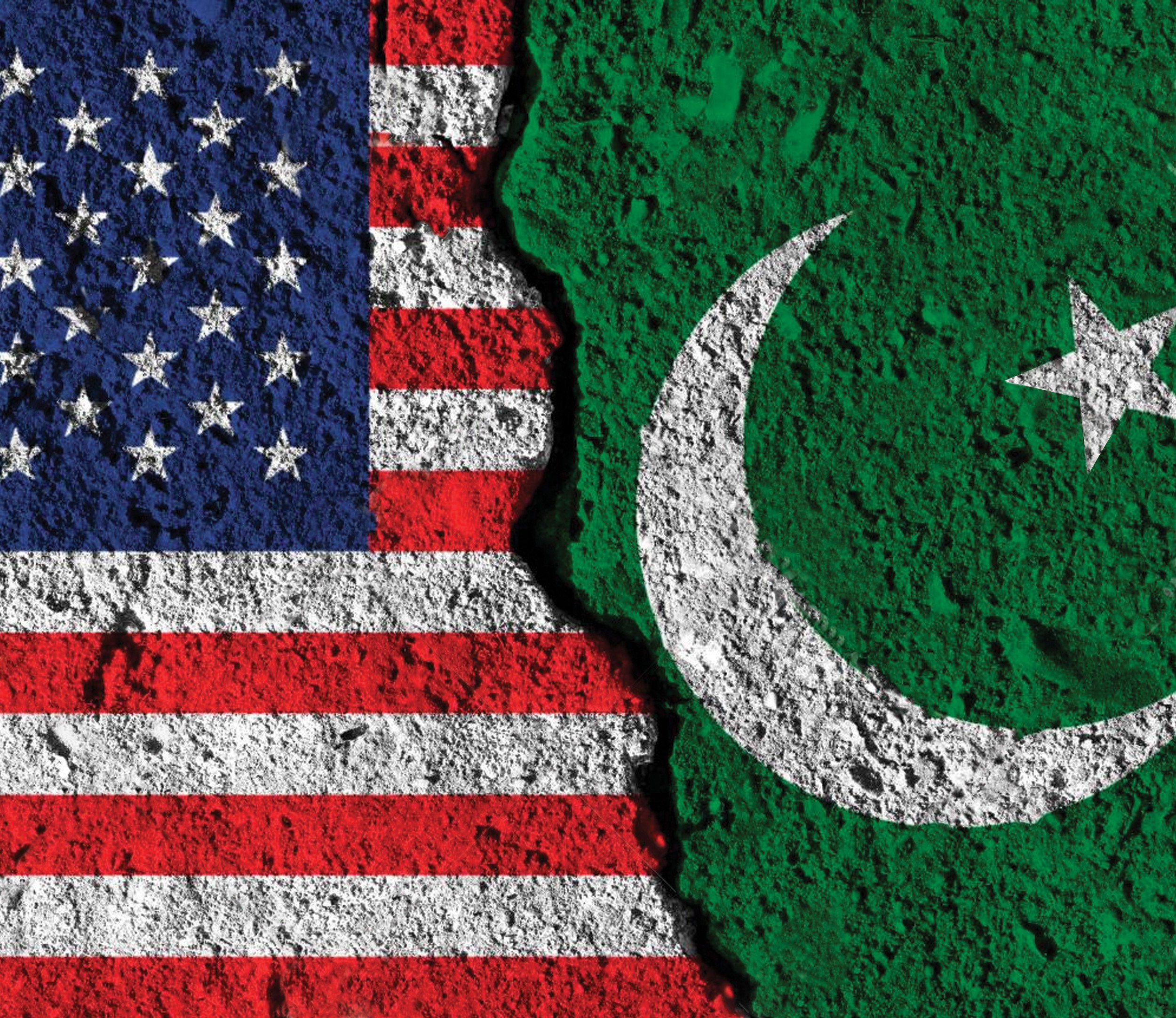
Pakistan has served American strategic interests with extraordinary consistency — from facilitating the Nixon-era opening to China, to arming the Afghan mujahideen, to providing post-9/11 logistical corridors at considerable domestic cost. The return on this investment? Sanctions, drone strikes, chronic internal destabilisation, and a relationship that Washington has always managed transactionally. Pakistan was never a partner. It was a utility.
If Pakistan’s ruling elite has yet to internalise this hard lesson, the explanation is not ignorance. It is interest. Personal and political calculations have consistently overridden national strategic thinking. Alliance with Washington has delivered patronage, regime security, and IMF access — for the few. The nation has paid the price.
Any role Pakistan considers in mediating between Tehran and Washington must be weighed against this history. Facilitating American pressure on a neighbouring Muslim state — already a target of Israeli strikes and U.S. military action — risks reducing Islamabad to precisely the client-state role it must outgrow. Islamabad’s utility to Washington should not be mistaken for strategic partnership.
Israel’s simultaneous escalation against Hezbollah in Lebanon only deepens the regional stakes. The Middle East is being remade. Pakistan must decide whether it watches as a sovereign, or once again serves as an instrument.