
Editorial
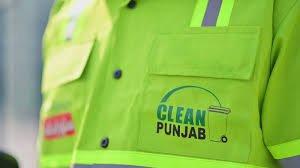
Punjab’s two flagship initiatives — Saaf Suthra Punjab and the Punjab Environmental Protection Authority — represent exactly the kind of institutional thinking that Pakistan’s governance landscape has long needed. The ambition behind both programmes is commendable. A cleaner province is not a cosmetic goal. It is a public health imperative, an environmental necessity and a statement about the relationship between the state and the citizens it serves. Similarly, a functional environmental regulator is long overdue in a province where industrial pollution, urban waste and air quality have reached crisis levels. Conceptually, both initiatives deserve credit.
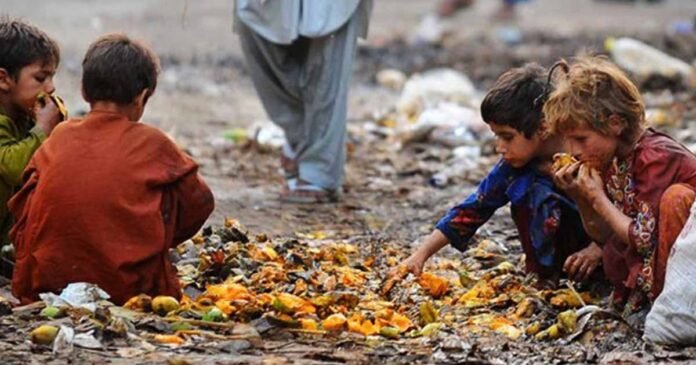
But good intentions do not govern themselves. The critical question is not whether these programmes were launched but whether they are being executed with the transparency, consistency and institutional seriousness that genuine reform demands. On that count, the record remains uneven. Saaf Suthra Punjab has produced visible activity in certain urban pockets while leaving vast stretches of the province largely untouched. Sanitation infrastructure in smaller cities and rural areas continues to deteriorate. The initiative risks becoming a showcase for selected localities rather than a systemic transformation of how Punjab manages its waste and public spaces.
PERA faces a parallel challenge. Environmental regulation in Pakistan has historically suffered from regulatory capture, political interference and the absence of enforcement muscle. An authority that exists on paper but cannot hold industrial polluters accountable, cannot impose meaningful penalties and cannot operate independently of political pressure is not a regulator. It is a letterhead.
Sustainability requires more than launch events and press coverage. Both initiatives must publish transparent performance data, welcome independent audit and demonstrate that their mandate extends beyond the electoral cycle that created them.
On this occasion of Hajj, one must also acknowledge with genuine respect those quiet workers — traffic police officers, sanitary workers, municipal staff — who perform their duties diligently and without recognition. They are the real face of public service.