
Mubashar Nadeem
Over the past several weeks, the Gulf and broader Middle East region has witnessed a severe escalation in hostilities involving Iran, Israel, and the United States. While modern warfare relies heavily on missiles, drones, and advanced interceptors, one stark reality persists from past conflicts: urban populations continue to bear the heaviest human cost. Cities such as Tehran, Beirut, and other densely populated centers have become battlegrounds, leaving ordinary citizens exposed to destruction, fear, and uncertainty.
Though contemporary weapons are often described as precise, the crowded nature of Middle Eastern cities ensures that civilian casualties, infrastructural damage, and disruption of daily life are inevitable. Homes, schools, hospitals, and marketplaces have suffered extensive damage, while electricity, water, and transport systems face constant disruption. For urban residents, survival in this environment has become an all-consuming struggle. Unlike combatants, civilians have no protective advantage, and the psychological toll of living under constant threat compounds their physical suffering.
The conflict’s economic impact is equally severe. Energy infrastructure, particularly oil and gas facilities near strategic chokepoints such as the Strait of Hormuz, has become a primary target. This has led to sharp increases in global oil prices, reverberating through markets and affecting consumers worldwide. Locally, citizens are experiencing higher costs of goods, disrupted supply chains, and shrinking household incomes. Small businesses, transport operators, and informal sector workers are disproportionately affected, deepening economic vulnerability in an already fragile region.
Beyond material losses, the conflict imposes profound social and psychological consequences. Families are displaced, children witness violence firsthand, and communities are fragmented. Health services struggle to cope with casualties and trauma, while schools and workplaces are forced to shut down. Even those not physically harmed live under the stress of uncertainty and fear, which can have long-term psychological effects, undermining social cohesion and community resilience.
Politically, the war exposes weaknesses in international mechanisms intended to protect civilians. Despite repeated calls for adherence to humanitarian norms, military objectives frequently take precedence over human welfare. Each strike and counterstrike risks escalating tensions further, keeping ordinary citizens in a state of perpetual insecurity. Urban centers, by their very nature, have become unavoidable theaters of combat, highlighting the urgent need for stronger civilian protections and conflict de-escalation strategies.
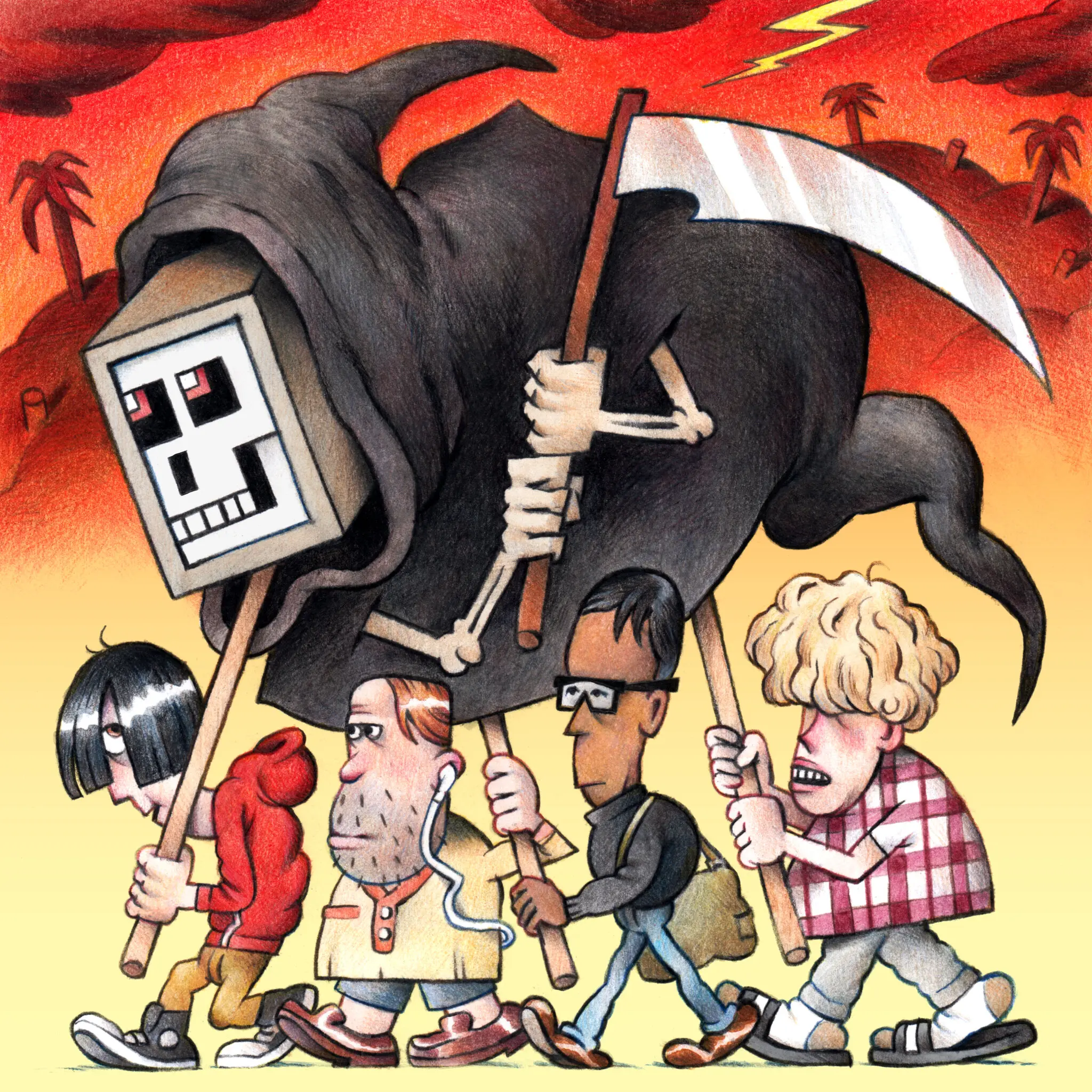
Ultimately, this conflict underscores a timeless truth: the human cost of war is unavoidable, regardless of technological sophistication. Missiles, drones, and interceptors may dominate headlines, but it is the destruction of homes, the displacement of families, and the trauma of civilians that define the real consequences of armed conflict. Humanitarian aid, including medical support, food, water, and shelter, must remain a priority, even as diplomatic efforts work to reduce hostilities.
The ongoing Iran-Israel-US conflict is a sobering reminder that warfare, no matter how modern, remains a deeply human tragedy. Cities such as Tehran and Beirut serve as powerful symbols of resilience, but also of vulnerability. As global powers focus on strategy and control, the protection and welfare of civilians must not be overlooked. The region’s future depends not merely on military outcomes but on policies that prioritize human life, safety, and stability.