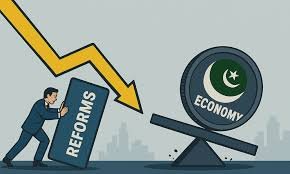

Pakistan’s economic situation is increasingly becoming a story of rising costs and limited relief. From fuel prices to everyday essentials, the financial pressure on citizens continues to grow — and for many, there seems to be no clear end in sight.
Recent government measures, including targeted subsidies and policy adjustments, indicate an effort to manage the crisis. However, the gap between policy announcements and ground realities remains significant. While relief packages are introduced, their impact often feels too small to offset the scale of inflation.
At the same time, increasing reliance on taxation as a revenue tool is adding another layer of pressure. For salaried individuals and small businesses, this creates a dual burden — higher living costs alongside reduced disposable income.
What makes the situation more complex is the perception of imbalance. Many believe that economic pressure is not being distributed evenly, raising concerns about fairness and long-term sustainability. Whether accurate or not, this perception is shaping public sentiment and trust.
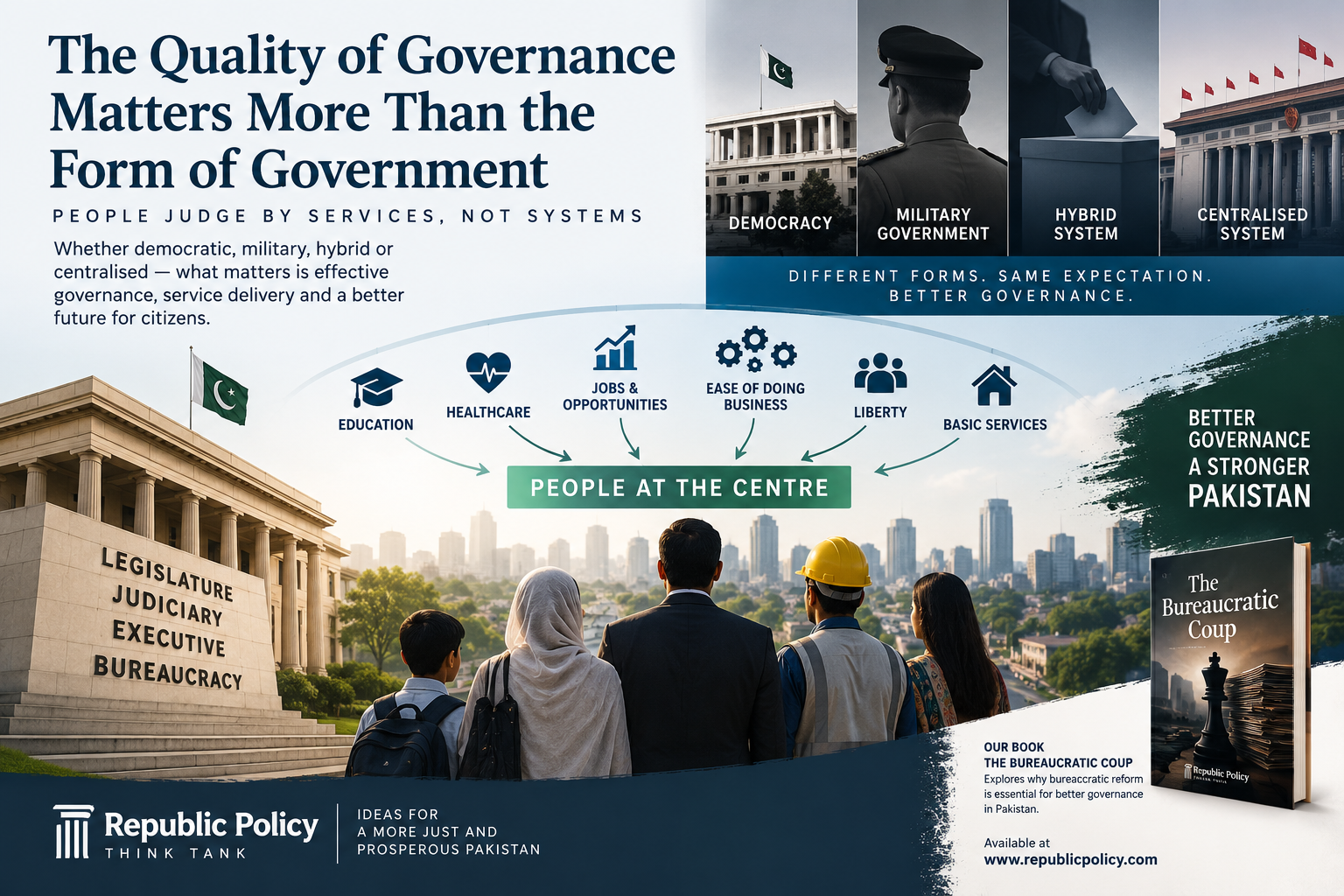
The challenge for policymakers is not just economic stabilization — it is restoring confidence. Without visible and meaningful improvement, even well-intentioned measures risk being seen as insufficient.
Pakistan’s economic path forward will depend not only on decisions, but on how those decisions are experienced by the public. Because in the end, economic policy is not just about numbers — it is about impact.