Dr Bilawal Kamran
Pakistan is poor. How poor depends on who you ask, how they measure it, and whether the data they rely on is worth trusting in the first place. Three institutions — the Social Policy and Development Centre, the Pakistan Bureau of Statistics, and the World Bank — have each arrived at different conclusions. The gap between their figures is not a minor statistical footnote. It represents tens of millions of human lives caught in the space between what the government acknowledges and what people actually endure.
The Pakistan Bureau of Statistics, drawing on its Household Integrated Economic Survey for 2024-25, placed the national poverty rate at 28.9 percent. The Social Policy and Development Centre looked at the same country and arrived at 43.5 percent. That is a difference of 14.3 percentage points — not a rounding error, but a chasm. The World Bank, for its part, estimated poverty at 42.4 percent for 2025, calculated on a threshold of $3.65 per day in 2017 purchasing power parity terms. The Bank and the SPDC are, broadly speaking, telling the same story. The government’s figures are telling a different one.
The disagreement is methodological, but methodology is never merely a technical question. It is a political one. The PBS calculates poverty through what is called a cost of basic needs approach. It takes an existing poverty line and adjusts it over time using the Consumer Price Index. The problem, as the SPDC points out, is that the CPI is not a neutral instrument. The average consumption basket used to construct it reflects the spending patterns of households that are relatively comfortable. It includes goods and services that poor families never buy and ignores the costs they cannot escape — informal healthcare, clean drinking water, the daily indignities of surviving without a functioning public system. Applying such an index to measure deprivation at the bottom is like measuring a drought by asking how much water the irrigated fields have received.
The SPDC instead used a calorific or food energy intake method, which begins from first principles: what minimum caloric intake does a human body require, and how much does a household need to spend to meet that threshold? It is a harder, more honest reckoning. And the answer it yields is sobering. Nearly half the country, on this measure, does not earn enough to eat adequately.
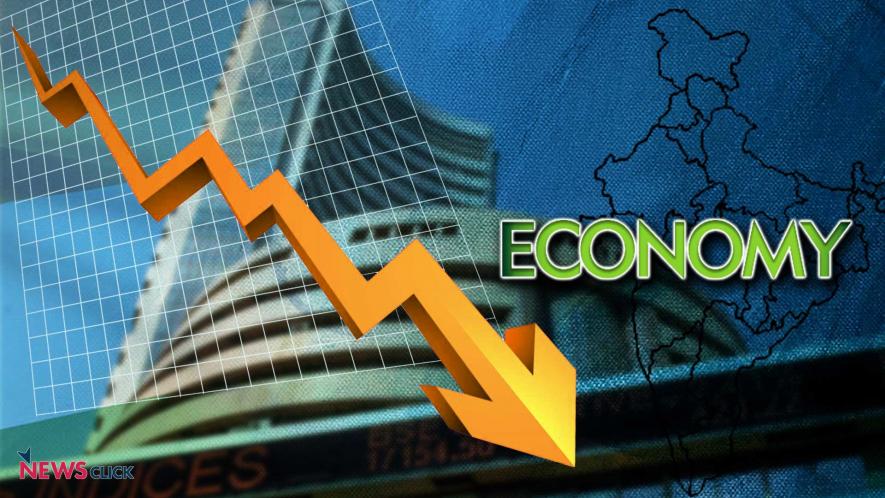
The World Bank pressed the case further. Its Poverty and Equity Brief did not merely cite a number. It offered an explanation. A population growing at two percent annually means 1.9 million additional people slipping below the poverty line in a single fiscal year. Economic growth of 2.6 percent, whatever relief it offers to aggregate statistics, does not move fast enough to lift people out of poverty when that poverty is as deep and as structurally embedded as it is in Pakistan. The Bank described the situation as the product of a series of overlapping crises since 2020 — crises that stripped away whatever thin cushion Pakistan’s poor had managed to accumulate. Inflation eroded purchasing power. Economic instability destroyed livelihoods. The recovery that followed was real but insufficient. It stabilised the macro-economy; it did not reach the poor.
Remittances have played a role. In the first half of fiscal year 2025, external remittances surged by 33 percent — a striking figure. But the World Bank is careful about what it means. Only 3.2 percent of the lowest-income households actually receive remittances. The benefits flow primarily to households that are already somewhat above the floor. For the very poorest, the remittance economy is largely invisible. There is, however, some cautious reason for qualified hope. As emigration increases, particularly among lower-skilled workers, remittance benefits may gradually reach deeper into the income distribution. Whether that process is fast enough to matter is another question.
The government’s social protection response has centred on the Benazir Income Support Programme. Recent increases in BISP benefits have exceeded the inflation rate, which represents real progress in real terms. A planned expansion to an additional 500,000 households by fiscal year-end would extend the programme’s reach. These are not trivial steps. They will support consumption at the margins and provide some buffer against market shocks. But they are remedies designed for a wound that runs deeper than any cash transfer can fully address.
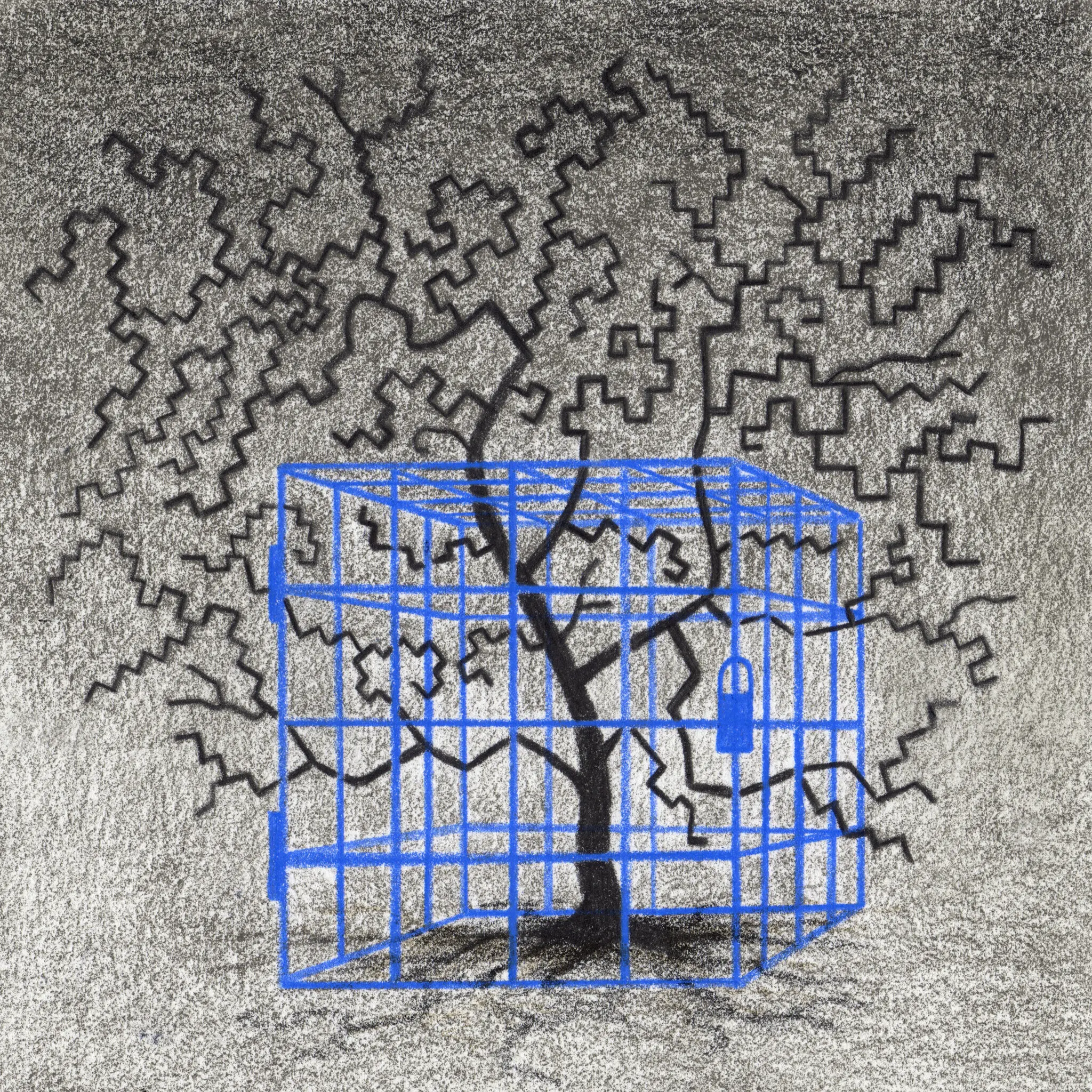
The deeper problem is the data. The International Monetary Fund, in its December 2024 loan approval documents, was unusually candid about this. It noted that significant shortcomings remain in source data covering roughly a third of Pakistan’s GDP, and flagged concerns about the granularity and reliability of Government Finance Statistics. These are not observations a creditor institution makes casually. They reflect a structural failure in the country’s statistical architecture — a failure that makes it genuinely difficult to know what is happening to poor households, let alone to design effective responses. The IMF is now extending technical assistance to the PBS to develop a new Producer Price Index and to begin fieldwork for four major surveys. The National Accounts rebasing, long overdue, is scheduled for completion by the end of June 2026.
That rebasing matters. It may not eliminate the gap between official figures and the SPDC’s estimates, but it will at least place the official numbers on fresher ground. Whether that leads to a more honest reckoning with the scale of deprivation, or whether it produces revised figures that still flatter the state’s performance, remains to be seen.
And then there is the external dimension. Whatever modest progress has been achieved in buffering the poor from inflationary pressure, it sits against the backdrop of the ongoing Middle East conflict. The government’s diplomatic efforts deserve acknowledgement. But the distance between the warring parties remains vast, and recent days have brought escalation rather than restraint. Pakistan’s energy costs, its fiscal space, its ability to protect the poorest from the next shock — all of this depends, in part, on decisions being made in capitals far from Islamabad. One can only hope that reason prevails before the ladder of escalation is climbed any further.