
Tariq Mehmood Awan
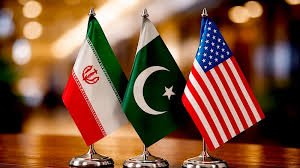
In the midst of rising geopolitical uncertainty, Pakistan once again finds itself positioned at a sensitive intersection of regional and global tensions. The ongoing friction involving Iran, the United States, and Israel has drawn renewed attention to Islamabad’s diplomatic posture—not as a direct actor in the confrontation, but as a strategically located state whose choices and signals carry regional significance.
Over the past months, Pakistan has pursued a carefully calibrated foreign policy approach. Officials have repeatedly emphasized restraint, calling for de-escalation and dialogue while avoiding any explicit alignment with competing blocs. This balancing act reflects a deliberate attempt to preserve working relations with multiple sides, including long-standing ties with Iran, deep economic and strategic dependencies in the Gulf region, and broader engagement with Western powers.
At a formal level, Pakistan’s messaging has remained consistent: support for diplomatic solutions, opposition to regional escalation, and encouragement of negotiated outcomes. This positioning has allowed Islamabad to maintain a degree of flexibility in a volatile environment. However, in contemporary geopolitics, neutrality is no longer a static or passive stance. It is increasingly a dynamic and often demanding strategy that requires constant adjustment, careful signaling, and sustained credibility.
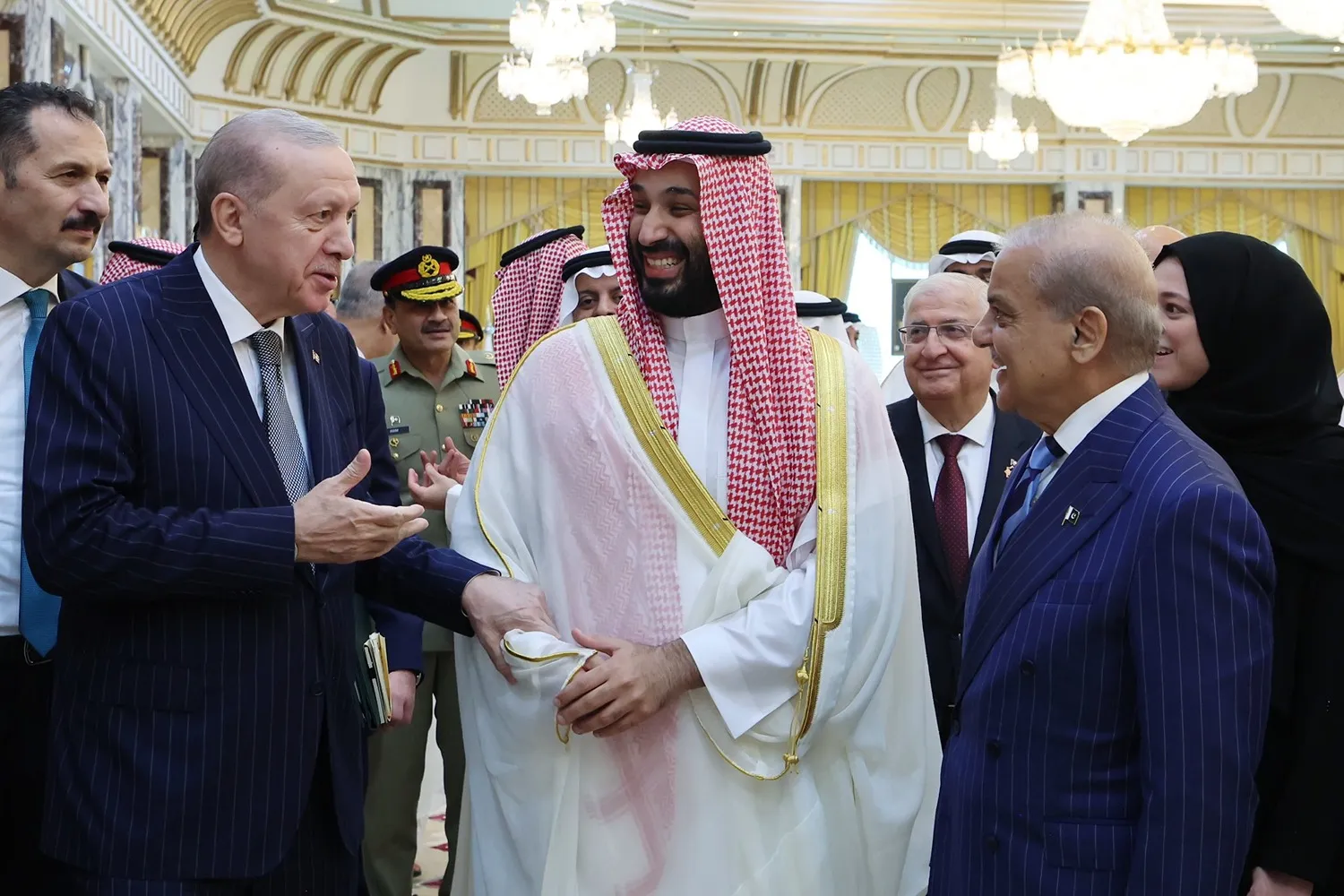
Recent diplomatic developments underline this complexity. Pakistan has intensified its engagement with regional partners through high-level visits and consultations, particularly with Saudi Arabia, Qatar, and Turkey, while also maintaining channels with Iran amid heightened regional tensions. At the same time, Islamabad has reiterated its preference for dialogue-driven solutions in broader Middle Eastern disputes, including indirect efforts linked to Iran–United States tensions.
The challenge for Pakistan lies in managing competing expectations. Its close economic reliance on Gulf partners, especially in terms of remittances, investment, and financial support, coexists with historically rooted political and geographic proximity to Iran. Meanwhile, relations with Western countries add another layer of strategic calculation, particularly as global powers reassess alignments in an increasingly fragmented international order.
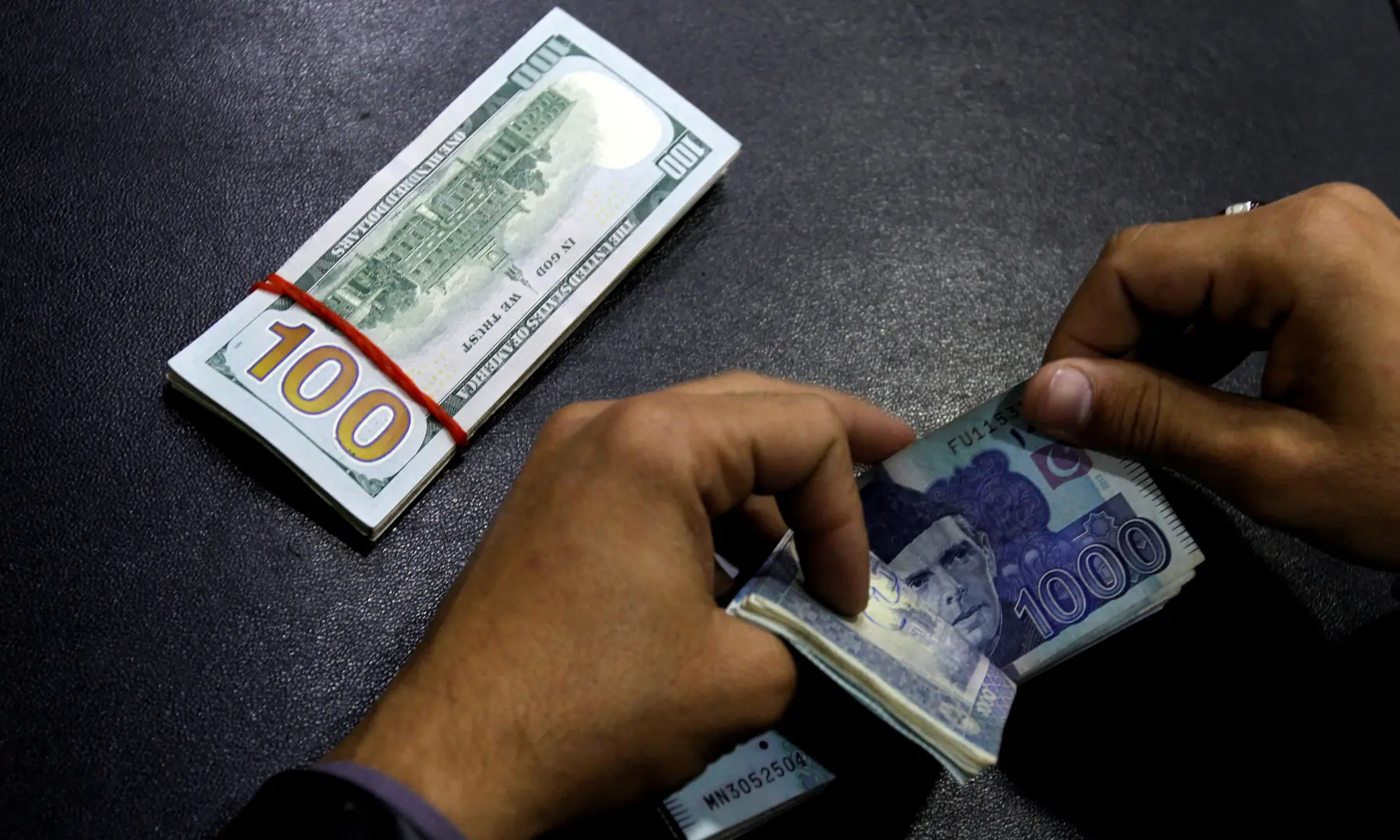
This balancing act is further constrained by domestic economic realities. Pakistan continues to operate under external financing pressures, structural fiscal limitations, and recurring balance-of-payments challenges. These vulnerabilities inevitably influence foreign policy options, narrowing the scope for independent maneuvering. In practical terms, economic dependence often translates into diplomatic caution, as external financial stability and political alignment become closely intertwined.
Despite these constraints, Pakistan’s consistent emphasis on dialogue and regional stability presents it with a potential diplomatic opportunity. In periods of heightened confrontation, states perceived as relatively neutral and communicative can, under the right conditions, assume facilitative or mediatory roles. Pakistan has previously attempted to position itself in this space by encouraging engagement between conflicting sides and hosting indirect diplomatic interactions.
However, effective mediation is not simply a matter of intent or geography. It requires sustained trust from all parties involved, credible relationships across opposing blocs, and sufficient diplomatic leverage to influence outcomes. Without these elements, mediation risks remaining symbolic rather than substantive. The difference between visibility and effectiveness in diplomacy is often defined by long-term consistency rather than short-term engagement.
Current regional dynamics further complicate this possibility. Fluctuating tensions in the Middle East, shifting alliances, and periodic escalations between major actors have created an environment where trust is fragile and negotiations are often indirect or conditional. In such circumstances, even well-intentioned intermediaries must navigate carefully to avoid being perceived as biased or ineffective.
Ultimately, Pakistan’s evolving foreign policy reflects a broader transformation in global politics. Influence is no longer determined solely by military capability or economic scale, but increasingly by diplomatic agility, credibility across multiple actors, and the ability to manage complexity under pressure.
As regional and global uncertainties continue to intensify, Pakistan’s strategic choices will carry implications beyond immediate diplomatic outcomes. They will help define the country’s role in an emerging international order where balance, perception, and adaptability are becoming as important as traditional power.