
Editorial
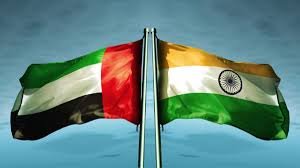
Pakistan is watching a familiar ally drift toward a rival. India’s deepening strategic partnership with the United Arab Emirates, sealed during Prime Minister Narendra Modi’s recent visit to Abu Dhabi, is not merely a bilateral development. It is a quiet reorganisation of regional influence with direct consequences for Islamabad.
The agreements signed cover defence industrial collaboration, maritime security, cyber cooperation, and long-term energy arrangements including expanded crude storage and LPG supply chains. India is not simply buying oil. It is embedding itself into the Gulf’s strategic architecture. Pakistan, by contrast, has seen its own standing with Abu Dhabi cool considerably. The collapse of the Emirati airport management deal, tighter financial terms, and a visible shift in UAE preferences tell a story Islamabad cannot afford to ignore.
The energy dimension deserves particular attention. India is locking in long-term Emirati volumes through storage agreements and supply chains. For Pakistan, a country perpetually stretched by import bills and balance-of-payments pressures, this creates a structural disadvantage. If more Gulf barrels are pre-committed to Indian markets, Islamabad’s negotiating room narrows. Energy access is not merely a commercial matter. In a crisis, it becomes leverage.
The security dimension is equally troubling. India has spent a decade cultivating Gulf partnerships and is now expanding its naval and maritime footprint in the Arabian Sea. Pakistan has historically held a strong presence in these waters. That dominance is no longer unchallenged. Indian diplomacy has consistently attempted to frame Pakistan through a terrorism and security-risk narrative in these very capitals. With growing UAE access, that effort gains new platforms.
Pakistan’s response must be strategic, not reactive. Stronger defence ties with Saudi Arabia, broader economic partnerships through special economic zones, and consistent diplomatic messaging against the securitisation of the Arabian Sea are all necessary. Pakistan’s large diaspora and military links in the Gulf still matter. But goodwill without economic weight is a diminishing asset. The Gulf is rewarding scale, technology, and ambition. Pakistan must offer all three.