Punjab is expanding its local tax base with visible urgency. The Punjab Revenue Authority continues to push sales tax collection on services upward, while property tax, registration fees, motor vehicle tax, mineral royalties, and assorted government fees are all being activated as revenue streams. Even traffic fines and regulatory penalties now count as meaningful provincial income. The question deserves to be asked plainly: if taxation keeps rising at both federal and provincial levels simultaneously, where exactly does the citizen of Punjab turn?
Revenue generation is not optional for any government. Services, infrastructure, education, health, and law and order all demand resources. But the foundation of any legitimate tax system is not the volume of collections alone. It is the taxpayer’s capacity to pay. In Punjab today, that capacity is severely strained. Indirect taxes, persistent inflation, rising energy costs, and shrinking real incomes have already pushed households and businesses to their limits. Against this backdrop, additional provincial taxation does not fall on a resilient economy. It falls on people who are already carrying more than they can bear.
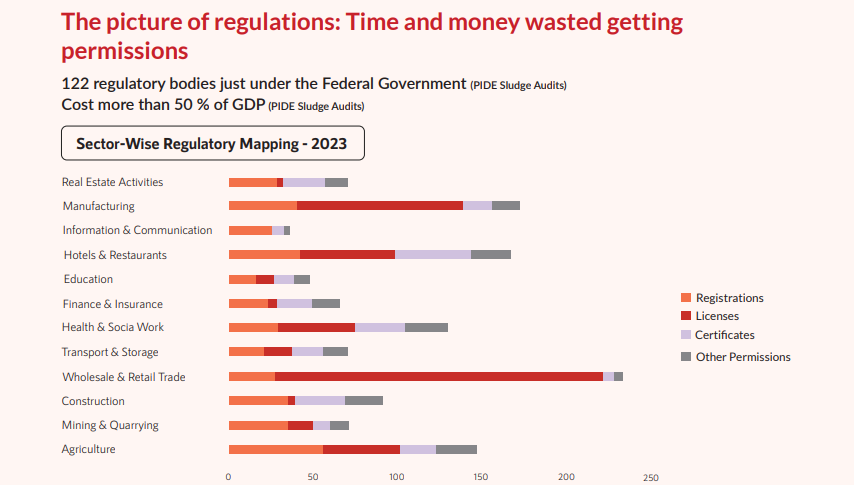
The informal sector absorbs the pressure when formal taxation becomes excessive. This is not a theory. It is an observable pattern. When fees and taxes multiply, businesses retreat from the formal economy, and the government’s own long-term revenue base quietly erodes. Economists across the world have consistently argued the same point: expand the tax net, stimulate economic activity, and let growth generate revenue. Raising rates on an already burdened population produces diminishing returns and lasting damage.
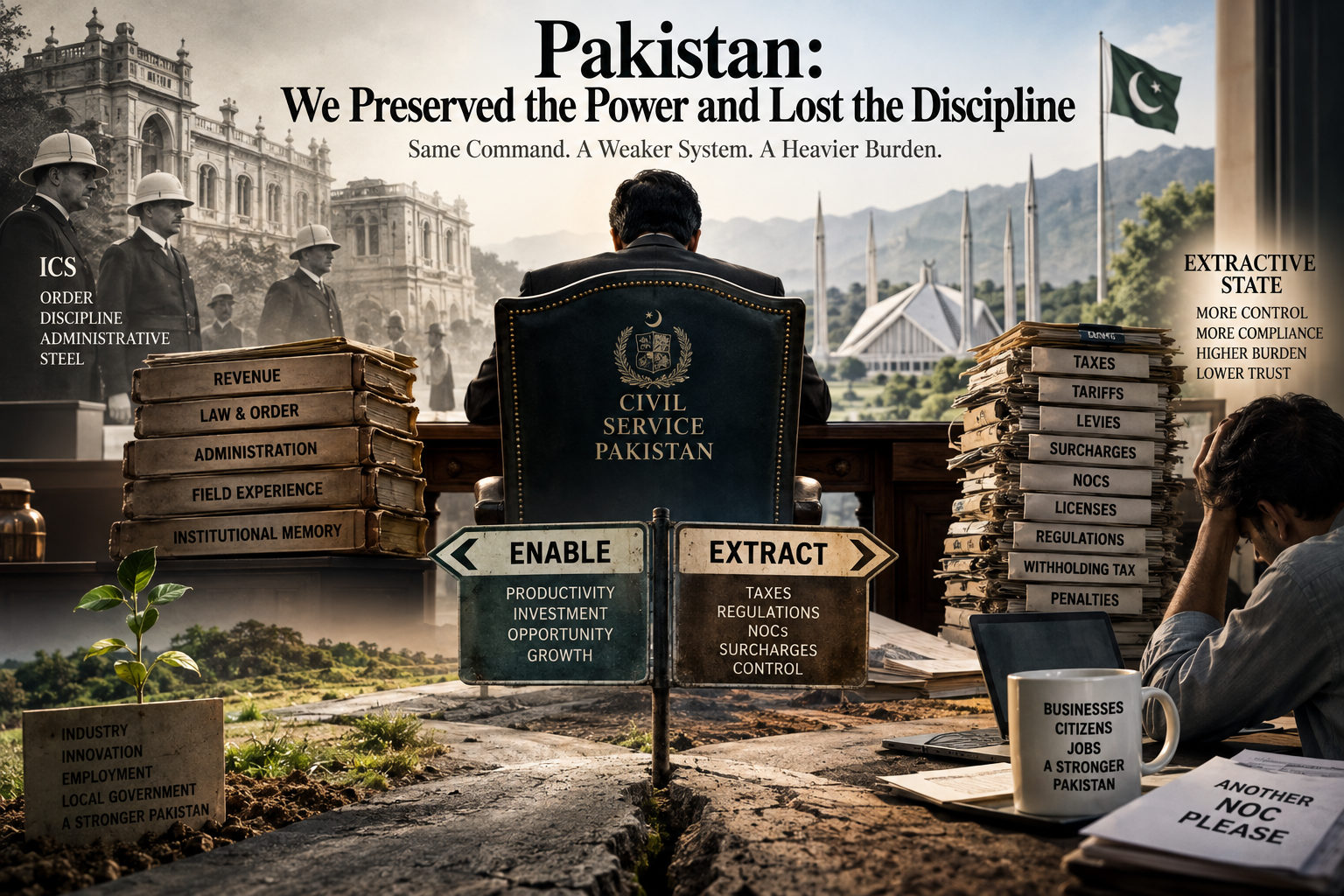
The perception of double taxation is equally serious. A Punjab resident pays income tax, sales tax, petroleum levy, and numerous other federal charges before the provincial government presents its own bill of taxes, fees, and fines. If citizens come to feel that services are not improving in proportion to what is being extracted from them, the social legitimacy of the tax system begins to crack. Taxation is not merely a fiscal instrument. It is a social contract. When that contract is seen as one-sided, compliance weakens and resentment takes its place.
The real challenge ahead for Punjab is to build genuine fiscal autonomy without crushing the people it governs. The sustainable road to higher revenues runs through economic growth, investment, employment, and expanded business activity. It does not run through more fines, more fees, and more levies on an exhausted population. If the province continues to treat taxation as the primary lever of revenue generation, the cost will be paid by the middle class, small businesses, and low-income households. That is not a prediction. In the current economic conditions, it is already happening.
The best work on governance is available in Republic Policy’s Governance Books at Vanguard Books, Readings, Sang-e-Meel, Kitab Saraye, Syed Book Depot Islamabad, and leading bookstores across Pakistan. Contact: 03014243788
#TaxPolicy #PunjabEconomy #PublicFinance #EconomicGovernance #FiscalPolicy #TaxReform #PakistanEconomy #ProvincialFinance #EconomicAnalysis #RepublicPolicy