
Editorial
The governance model commonly associated with the Pakistan Muslim League-Nawaz (PML-N) has long relied on securing foreign loans, development assistance, and financial support to fund large infrastructure projects and public welfare initiatives. These projects often create visible signs of development and provide immediate political dividends through the distribution of goods and services. While such measures may generate short-term public satisfaction, they do not necessarily address Pakistan’s deeper governance challenges.
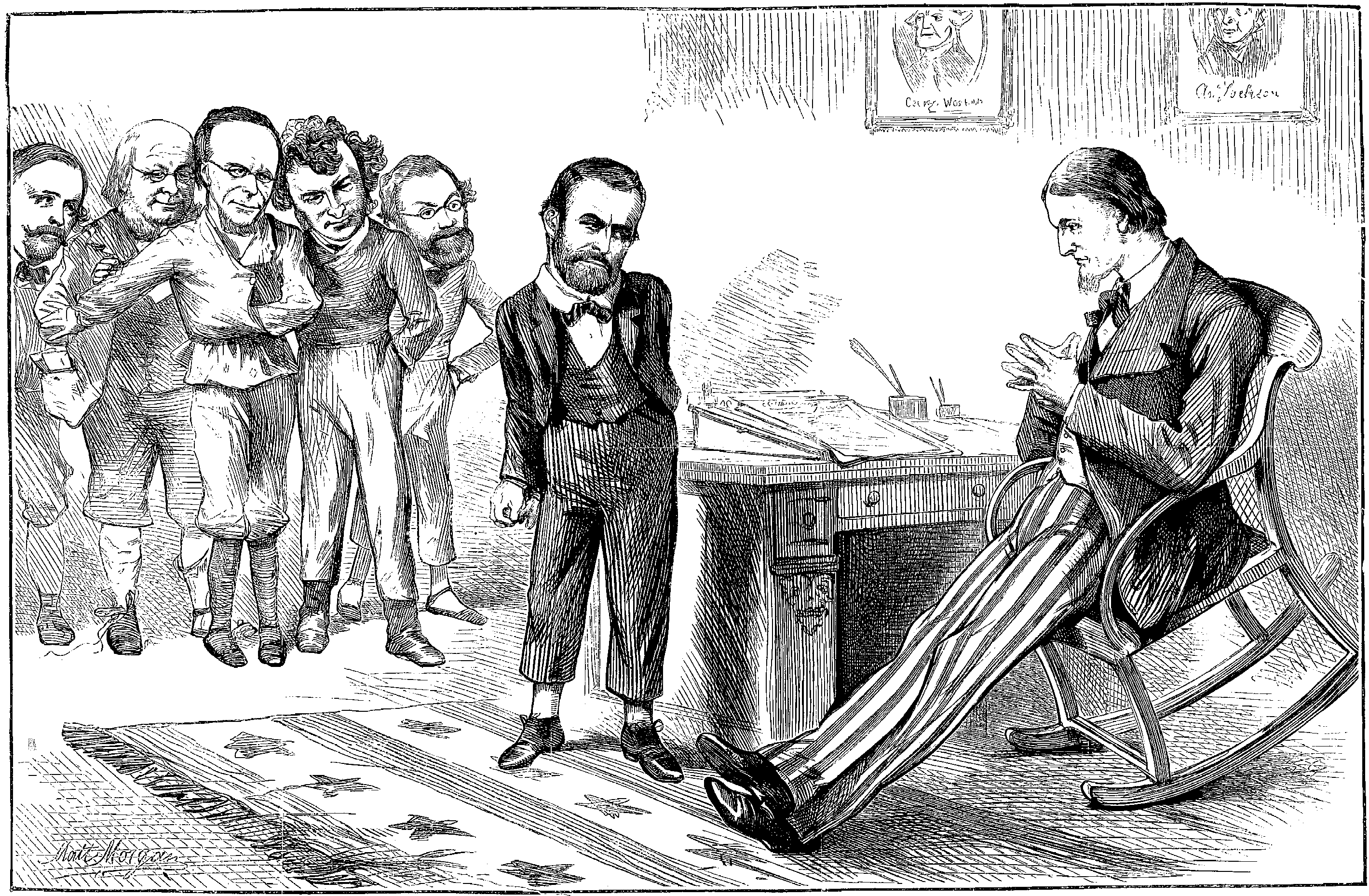
Another defining feature of this model is the growing reliance on bureaucracy in decision-making. Administrative teams frequently play a leading role in implementing policies, while elected representatives at the local, provincial, and federal levels often appear to have limited influence. This weakens democratic participation and reduces the ability of political institutions to shape public policy through debate and accountability.
The concentration of authority at the federal or provincial level further limits effective governance. Instead of empowering local governments with meaningful financial and administrative autonomy, decision-making remains centralized. This reduces the responsiveness of public institutions and slows the delivery of services that are best managed close to citizens.
Public communication and extensive publicity campaigns also occupy a prominent place in this governance approach. While informing citizens about government initiatives is important, communication should complement genuine institutional reforms rather than substitute for them.
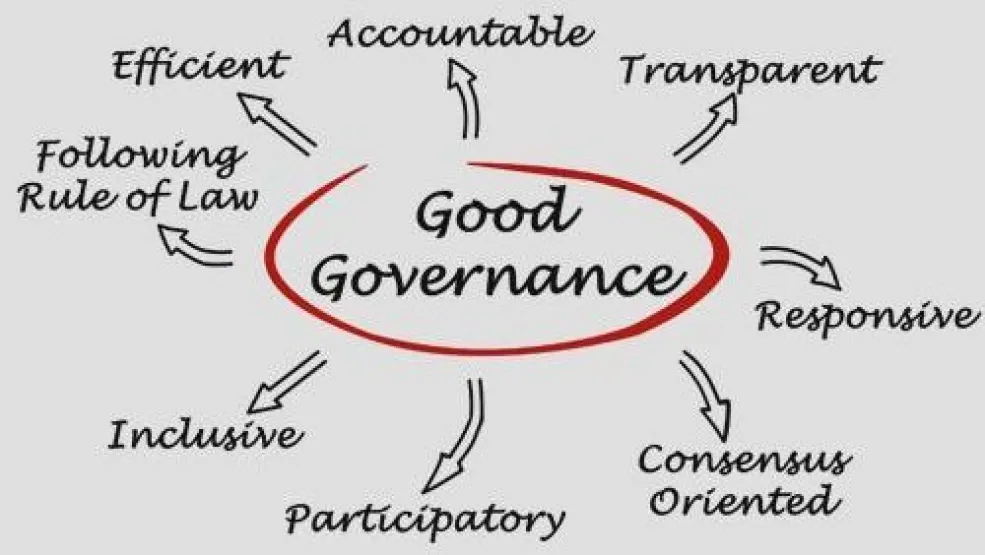
Pakistan’s long-term development requires a governance framework that strengthens democratic institutions instead of administrative centralization. Sustainable economic growth depends on structural reforms, investment in productivity, transparent public finances, and greater private-sector confidence rather than continuous borrowing. Similarly, better governance requires empowered local governments, accountable legislatures, and professional public administration working under democratic oversight.
Visible projects can improve infrastructure, but lasting national progress depends on stronger institutions, fiscal responsibility, decentralization, and citizen participation. Without these foundations, development risks becoming temporary, while democratic and economic challenges remain unresolved.