Dr Safdar Khan
Shehbaz Sharif is right when he points to agriculture and livestock as the fastest route to economic recovery. The numbers back him up. The sector generates close to a quarter of national output, absorbs well over a third of the workforce and remains, by a wide margin, the largest source of livelihood across the country. Within agriculture, livestock alone contributes more than sixty percent of value addition, and Pakistan sits among the world’s leading milk producers, with substantial room still untapped in both milk and meat exports. Few sectors can simultaneously deliver growth, cut poverty, strengthen food security and bring in foreign exchange the way agriculture can.
Yet the Prime Minister’s claim that the economy could be turned around within a single year through agriculture exposes a familiar gap, the distance between ambition voiced from the podium and the policy work actually required to close it. Pakistan’s agricultural troubles were never rooted in a lack of potential. They stem from decades of neglect, inconsistent policy, institutional decline and incentives that push farmers in the wrong direction.
Every government in memory has acknowledged agriculture’s importance in speeches and manifestos. Few have matched that acknowledgment with budgetary commitment. Research spending, extension services, water management, market reform and investment priorities have consistently failed to reflect the rhetoric surrounding them. This year’s federal and provincial budgets follow the same pattern. Despite repeated talk of economic transformation, agriculture remains marginal in the actual allocation of resources. That contradiction, promising transformation while starving the sector of investment, is growing more expensive with each passing year.
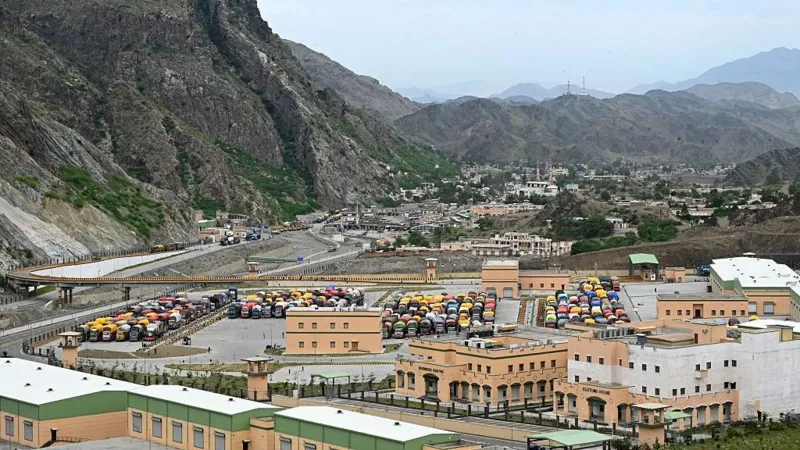
Consider the trade picture. Pakistan now spends billions of dollars importing food items and raw materials for its own textile and clothing industry, an industry that ought to be drawing on domestic agricultural output. Meanwhile the country’s food exports have weakened rather than grown. Together these trends are draining foreign exchange reserves at precisely the moment when the economy remains heavily dependent on external borrowing to stay afloat. Farmers, for their part, continue to absorb rising input costs, unpredictable prices, market manipulation by middlemen, inadequate storage infrastructure and value chains that leak profit at every stage. They are being asked to produce more while carrying risks that neither the market nor public policy does much to soften.
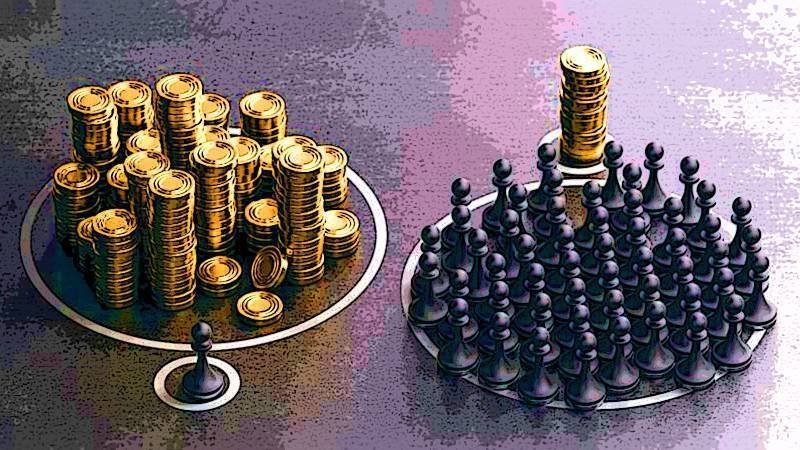
The Prime Minister’s focus on technology, artificial intelligence, disease control and value addition deserves credit; these are the right themes to raise. But technology is not a substitute for functioning policy. Introducing AI tools into agriculture will not by itself persuade a farmer to invest more if fertiliser remains costly, energy prices keep climbing, water grows scarcer by the season and markets still fail to pay a fair price for what is produced. A farmer weighing whether to expand production looks first at whether that production will be profitable, not at whether the sector has adopted the latest digital tools. With industrial output struggling and exports flat, agriculture stands out as one of the few remaining engines capable of driving growth that reaches ordinary households rather than concentrating gains at the top.
Realising that potential, however, calls for reform of a kind Pakistan has repeatedly promised and rarely delivered. Agricultural research needs serious strengthening rather than token funding. The country needs to develop its own vaccines for livestock disease rather than depending on imports that are often delayed or unaffordable. Traceability systems for both crops and livestock products need to be built up if Pakistan is serious about competing in export markets that increasingly demand such standards. Market distortions that allow a handful of intermediaries to capture the bulk of profit at the farmer’s expense need correcting. Rural credit has to expand well beyond its current narrow reach. Climate resilience, given how exposed Pakistani agriculture already is to floods, heatwaves and shifting rainfall patterns, cannot remain an afterthought. Irrigation efficiency, in a country as water-stressed as Pakistan, is not optional. And private investment across agricultural value chains, from cold storage to processing to logistics, needs genuine incentives rather than occasional tax concessions announced and then quietly withdrawn.
This is the pattern that has repeated itself under government after government. Each administration arrives with a promise to transform agriculture. Few arrive with the political will to carry out the reforms that transformation actually requires, reforms that mean confronting entrenched interests, redirecting budgets away from more politically convenient priorities and sustaining policy attention over years rather than a single budget cycle. Until that changes, declarations that agriculture holds the key to reviving Pakistan’s economy will remain exactly that, declarations, aspirational statements disconnected from the policy discipline needed to make them real.
The best-selling books of Republic Policy Think Tank, including the landmark book The Bureaucratic Coup, are available at Vanguard Books, Liberty Books, Readings, Kitab Sarai, Sang-e-Meel, Saeed Book Bank Islamabad, National Book Foundation, and others across Pakistan. Contact for home delivery: 0300 9552542.