
Tahir Maqsood Chheena
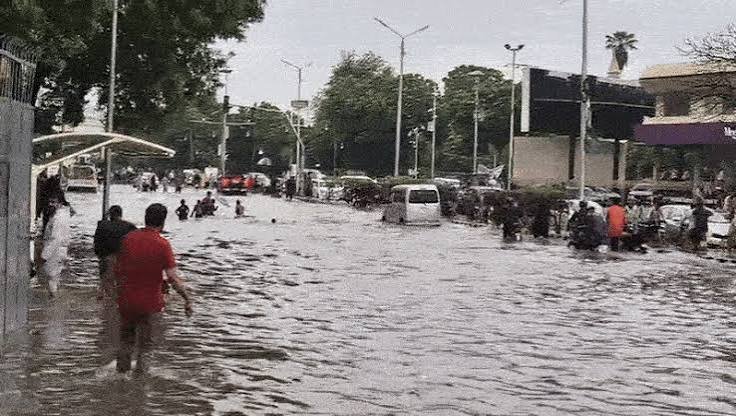
One of the most persistent misconceptions about the Ravi is that a river which stays dry for much of the year cannot pose a serious threat. Under the Indus Waters Treaty, the greater share of the Ravi’s waters was allotted to India, leaving Pakistan with only modest downstream flows outside the monsoon season or periods of flood release. This apparent dryness, however, conceals a hazard that is easy to underestimate and costly to ignore. Heavy monsoon rainfall, combined with sudden upstream releases when India discharges surplus water during intense rain spells, can turn the Ravi from a trickle into a raging torrent within a matter of hours. The suspension of the treaty’s information-sharing arrangements has made this danger considerably worse, stripping Pakistan of the advance warning it once relied upon to anticipate fluctuations in the river’s flow.
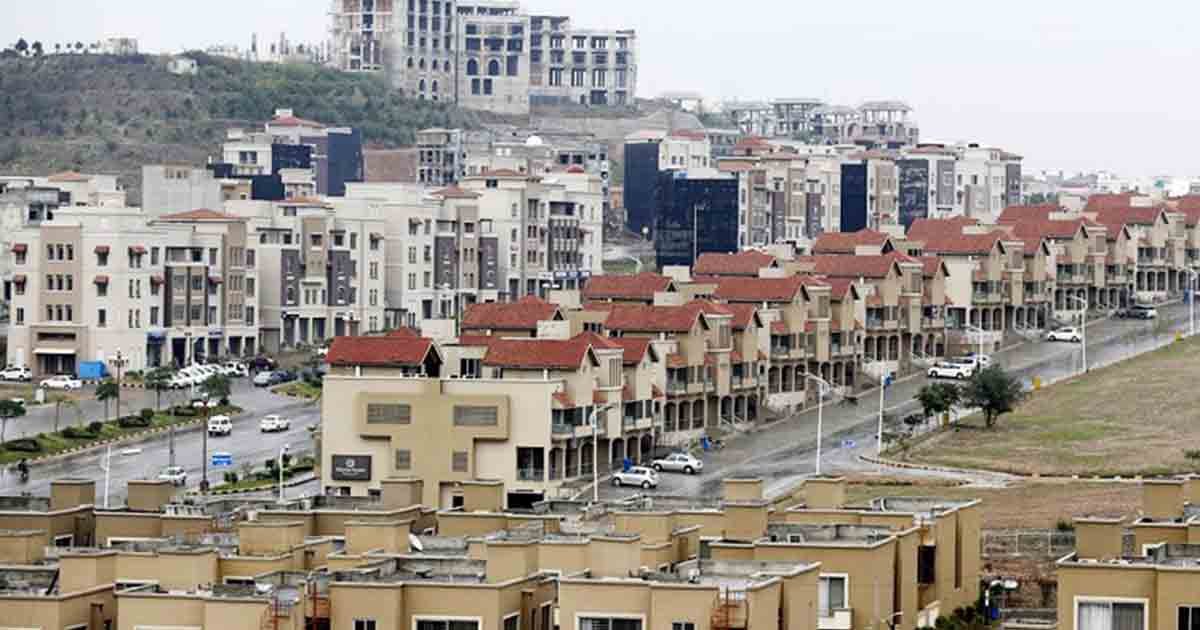
The latest satellite imagery released by Suparco should put an end to any comfortable illusion that Lahore’s continuing expansion into the Ravi’s floodplain represents progress. Over the past thirty-five years, the city has steadily pushed into land that nature itself set aside to carry and absorb floodwaters during extreme weather. As climate change drives more frequent and more intense rainfall events, shrinking this floodplain is not simply short-sighted planning. It is a decision that places lives and property directly in harm’s way. Last year’s flooding, which submerged at least eighty homes in a private housing society built squarely within the floodplain, was not a freak accident. It was a demonstration of a basic and unforgiving truth: rivers eventually reclaim the space they are owed.
The findings from Suparco confirm what environmental experts have been warning for years, often to little effect. Pakistan’s urban planning has consistently failed to keep pace with environmental reality. Cities cannot go on expanding without regard for drainage systems, wetlands, river corridors and green spaces, treating these features as obstacles to development rather than as essential infrastructure in their own right. The conflicting claims made by the Ravi Urban Development Authority and independent experts point to a deeper problem: a chronic absence of transparency. If the developments already approved genuinely rest on rigorous hydrological studies and lie safely outside the active floodplain, then those studies belong in the public domain, open to independent scientific scrutiny. Confidence in a project of this scale cannot be manufactured through official reassurance alone. It has to be earned through evidence that others can examine and test.
There is no inherent contradiction between development and environmental protection, whatever the rhetoric of unchecked expansion might suggest. Cities in many parts of the world have managed to grow alongside their rivers precisely because they enforced strict floodplain regulations, protected green belts, invested seriously in flood-control infrastructure, and built scientific risk assessment into the earliest stages of planning rather than treating it as an afterthought. Pakistan does not need to invent new solutions to this problem. What it needs is the political will to adopt principles that have already been tested and proven elsewhere, and then to apply them consistently. That consistency matters as much as the rules themselves. No development authority, regardless of how important its mandate may be, should be permitted to operate as though it sits above the environmental laws designed to protect lives, property and the natural systems that make a city liveable in the first place.
The warning contained in the Suparco report deserves to be treated as far more than another technical document destined for a shelf. It should trigger an immediate and honest reassessment of how urban planning along the Ravi has been conducted, and how it must change. Encroachment into the floodplain needs to stop, not slow down. Zoning laws need to be enforced with genuine consequence, not selectively applied depending on who is doing the building. Environmental impact assessments must be rigorous rather than procedural, and degraded river corridors should be restored wherever restoration remains possible. The Ravi’s floodplain was never surplus land waiting for commercial exploitation, however tempting that framing may be to developers and planners under pressure to deliver visible growth. It is a natural defence system, quietly doing work that no amount of concrete infrastructure can fully replace. Responsible governance requires recognising that fact before disaster forces the recognition. Pakistan has already seen what happens when the river is treated as an afterthought. The next reminder, if this warning goes unheeded, is unlikely to be gentle.
The best-selling books of Republic Policy Think Tank, including the landmark book The Bureaucratic Coup, are available at Vanguard Books, Liberty Books, Readings, Kitab Sarai, Sang-e-Meel, Saeed Book Bank Islamabad, National Book Foundation, and others across Pakistan. Contact for home delivery: 0300 9552542.