
Editorial
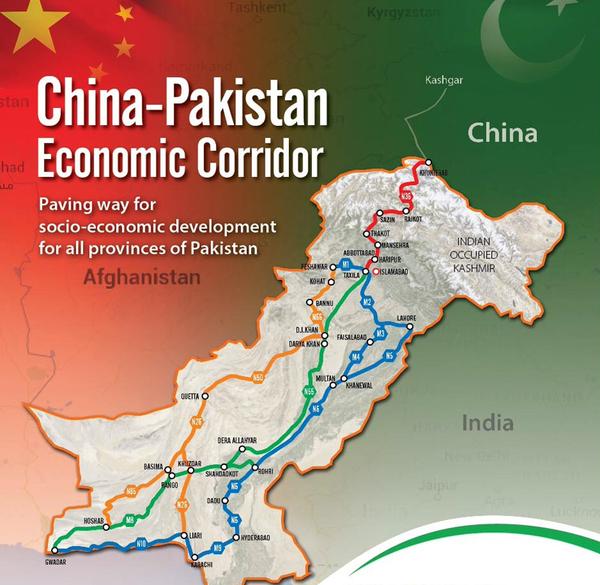
When the China-Pakistan Economic Corridor was launched, it was marketed to the nation as an unqualified game changer, a project destined to alter Pakistan’s economic trajectory forever. For years, questioning this narrative carried real cost. Analysts and policy commentators who raised concerns about debt sustainability, opaque contracts, or the absence of genuine technology transfer found themselves discouraged from speaking publicly, as the state maintained tight control over how CPEC was discussed in official and media circles. Dissent was treated as disloyalty rather than as the ordinary function of policy scrutiny in a democracy. Such silence served the state’s preferred story, not the public’s right to informed debate. That imbalance deserves close scrutiny in its own right today.
More than fifty billion dollars in financing flowed into Pakistan under this initiative, channelled through projects nominally led by the Planning Commission and the provincial Planning and Development departments. Yet the record now invites a far more sober assessment than the early euphoria allowed. Many of these projects were structured as loans rather than investments, meaning Pakistan must eventually repay both principal and interest, while the value-added component for the domestic economy remains thin. Power plants and infrastructure were built, but the promised transfer of technology and the deliberate strengthening of local industrial and engineering capacity were largely absent from the design of these agreements.
This raises an uncomfortable but necessary question. How did a decade of planning commissions, bureaucratic oversight, and political leadership fail to negotiate terms that would have embedded genuine capacity building into Pakistan’s largest infrastructure programme? Was this a failure of technical competence, of negotiating leverage, or of political will subordinated to short-term optics?
Pakistan now needs an independent commission, empowered to examine why successive governments and planning institutions did not secure value-added outcomes from CPEC, and why a project once celebrated as transformative now risks becoming a long-term burden on the national exchequer. Accountability, not nostalgia, should guide this reassessment.
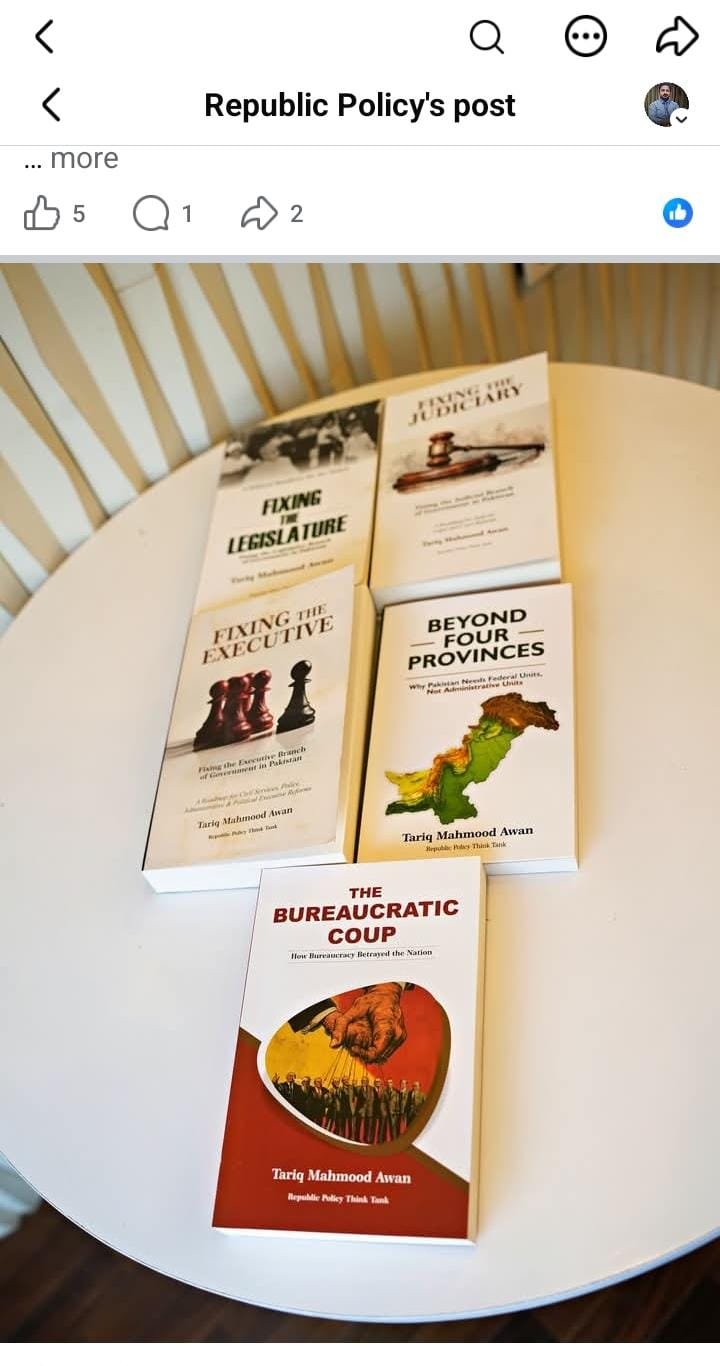
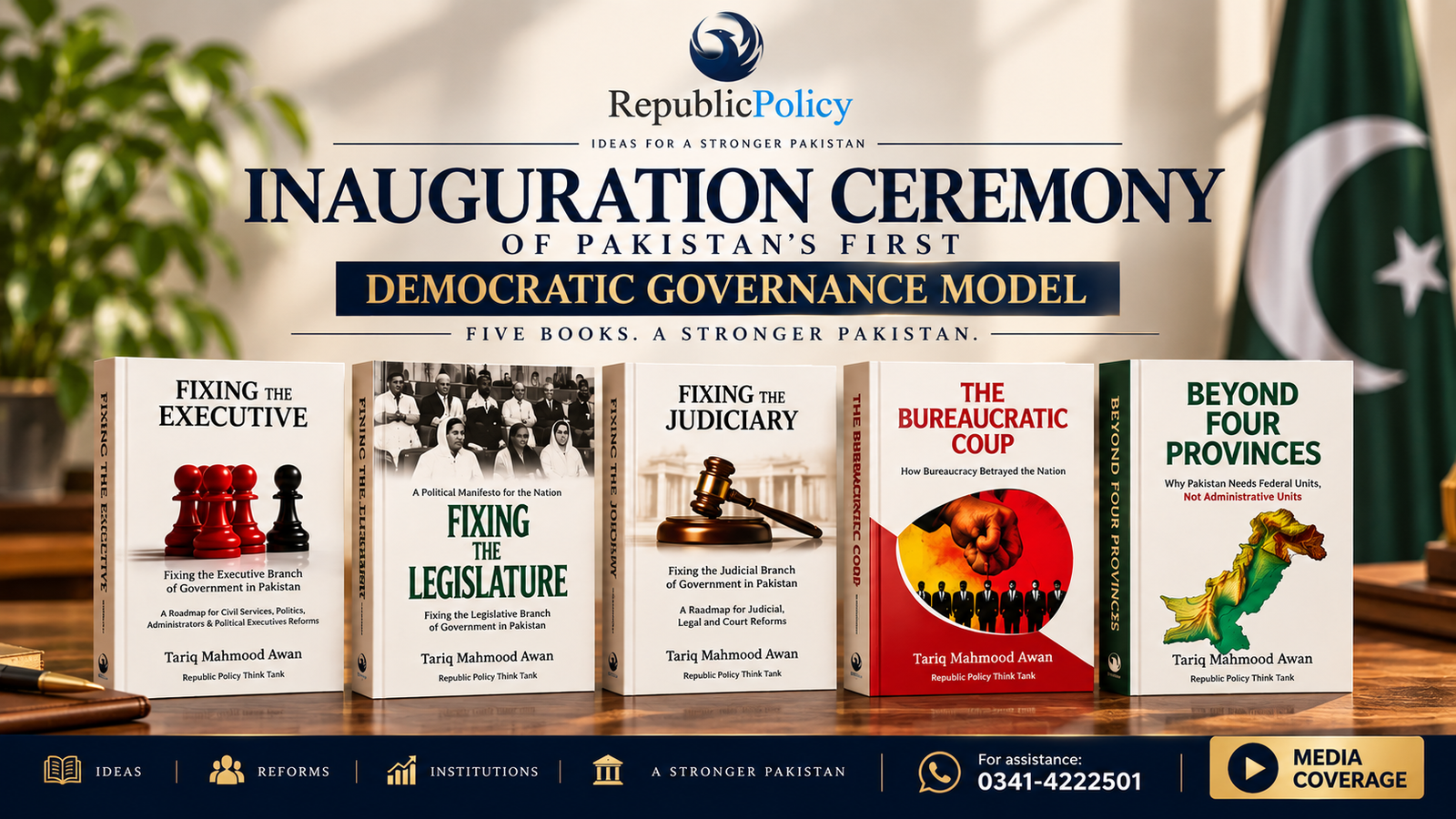
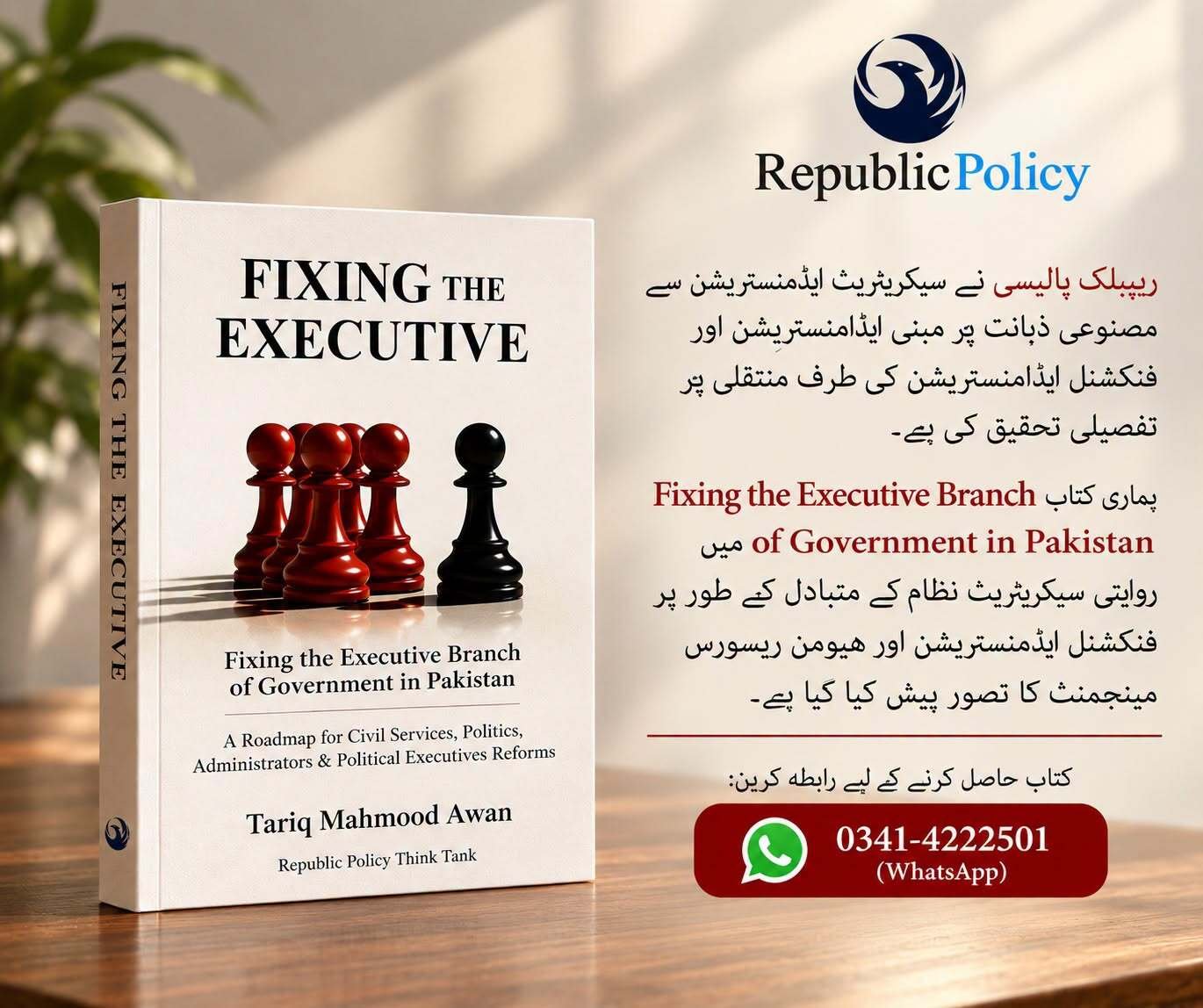
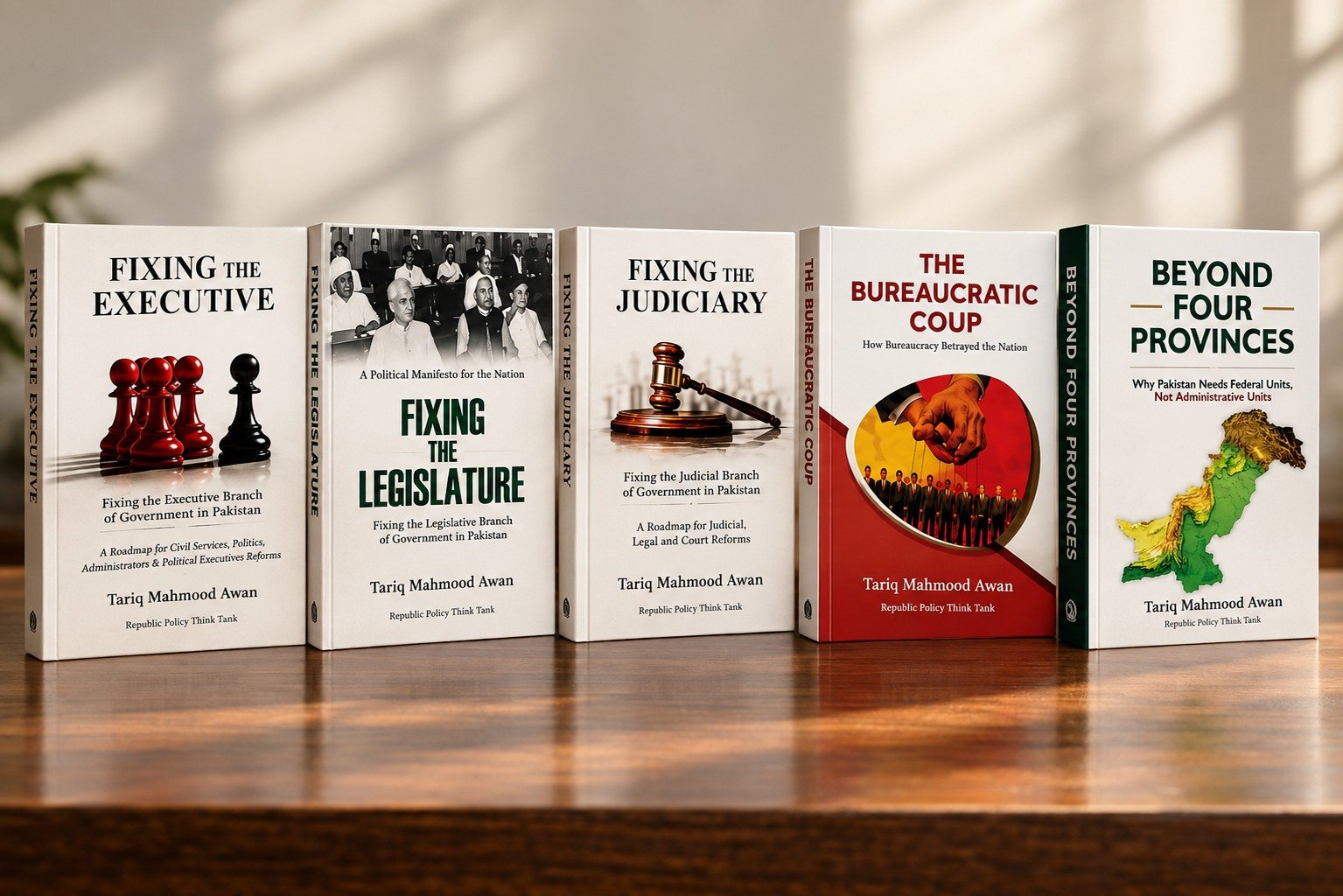
The best-selling books of Republic Policy Think Tank, including the landmark book The Bureaucratic Coup, are available at Vanguard Books, Liberty Books, Readings, Kitab Sarai, Sang-e-Meel, Saeed Book Bank Islamabad, National Book Foundation, and others across Pakistan. Contact for home delivery: 0300 9552542.