
Research Wing | Republic Policy Think Tank
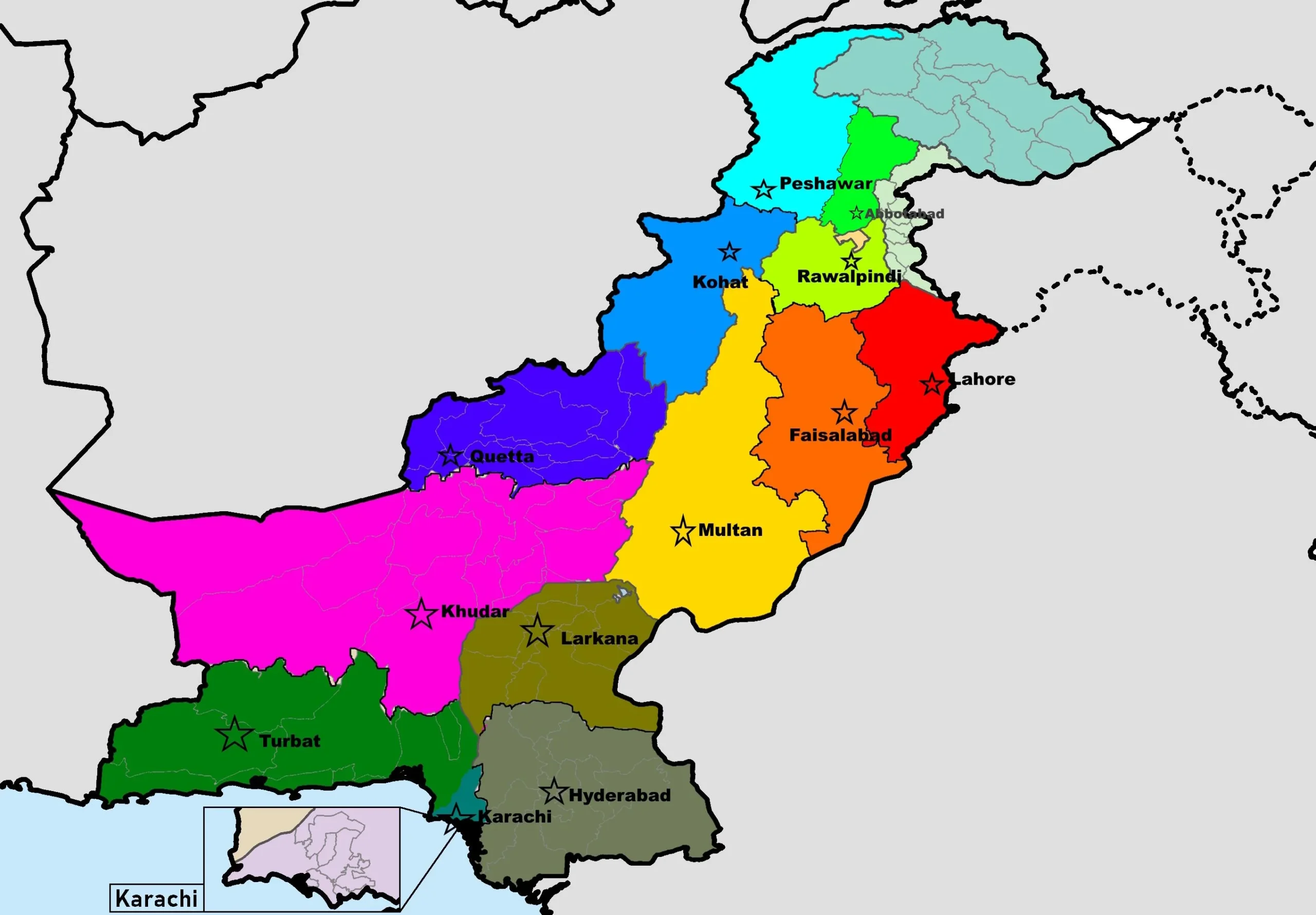
The recent remarks by Defence Minister Khawaja Asif, a senior Pakistan Muslim League-Nawaz (PML-N) leader, advocating the creation of twelve provinces have once again brought the question of provincial restructuring into Pakistan’s political debate. His argument rests on the concentration of administrative authority and resources in provincial capitals and the need to distribute them more widely to improve governance. While the proposal deserves serious consideration, the manner in which it has entered public discourse raises a more fundamental question: where are Pakistan’s political parties in this debate?
Over the past few weeks, several government representatives have expressed individual opinions on the creation of additional provinces. The discussion reportedly began with Interior Minister Mohsin Naqvi, who floated the idea. Subsequently, other federal ministers either supported the proposal or offered qualified observations. Special Assistant to the Prime Minister on Political Affairs, Senator Rana Sanaullah, has also indicated support, suggesting that the matter could be discussed in parliament when the appropriate time comes.
However, the emergence of such an important constitutional and political question through individual statements by government representatives reflects a weakness in Pakistan’s political culture. The creation of provinces is not an ordinary administrative adjustment. It involves constitutional arrangements, political representation, distribution of resources, administrative boundaries and the future structure of the federation. Such a consequential question cannot be adequately addressed through isolated remarks by individual officeholders.
Ideally, a proposal of this magnitude should originate from a political party after thorough deliberation within its organisational structures. It should first be discussed in the party’s working committee and general council, followed by deliberations within its parliamentary party. Once an internal consensus emerges, the party should formulate a clear position and take the matter to parliament for a broader constitutional and political debate.
Unfortunately, there is little public evidence that most political parties have followed such a process. Apart from the Pakistan Peoples Party, whose position is relatively more identifiable in this debate, the internal deliberations of other major parties remain unclear. The absence of visible institutional discussion raises questions about their political preparedness and organisational discipline.
The situation is particularly unusual within the PML-N, currently the largest governing party. Its senior leaders and federal ministers appear to be expressing individual opinions on an issue that requires a coherent party position. If the party has not yet reached a conclusion, that is entirely understandable. It may have legitimate political or constitutional reasons for withholding its position. However, in that case, its members should exercise restraint rather than repeatedly offering personal views that may create confusion about the party’s actual policy.
The Pakistan Tehreek-e-Insaf (PTI) should also take this matter seriously. Its parliamentary party, political committee and other relevant organisational forums should deliberate on the proposal and formulate a position. Political parties cannot remain indifferent to a question that could fundamentally reshape the country’s administrative and constitutional structure.
The central issue, therefore, is not whether Pakistan should have twelve provinces, fewer provinces or retain its existing provincial structure. That debate deserves independent consideration based on administrative efficiency, fiscal viability, political representation and constitutional principles. The more immediate concern is the absence of institutional political deliberation.
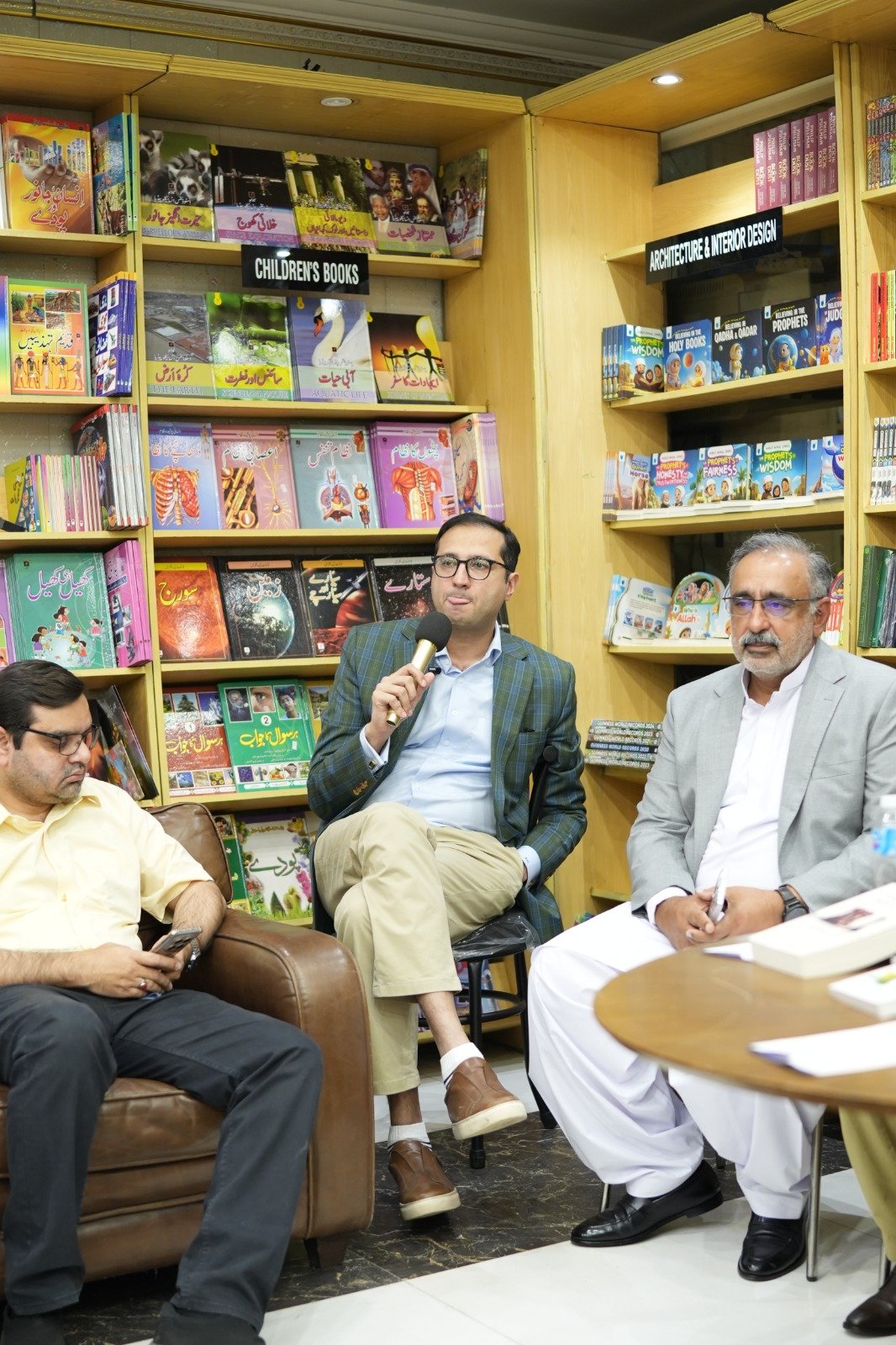
It is encouraging that the question of provincial restructuring is being discussed in the media, at universities and through public seminars. However, the most relevant forums for resolving such questions are political parties and parliament. Public debate can generate ideas, challenge assumptions and build awareness, but political parties must ultimately take responsibility for developing coherent policy positions.
Pakistan’s political parties need to understand that individual freedom of expression within a party cannot substitute for collective political decision-making. Members may hold different opinions, but once an issue becomes a matter of public policy, parties must provide an institutional framework for deliberation and establish a common position.
The debate over twelve provinces offers an opportunity to examine not only Pakistan’s federal structure but also the internal functioning of its political parties. Before deciding how many provinces the country needs, political parties must demonstrate that they possess the organisational maturity to discuss, evaluate and decide such an important national question collectively.
Research Wing | Republic Policy Think Tank