
Editorial
Pakistan’s political and administrative discourse remains burdened by persistent misconceptions, none more damaging than the claim that governance would improve if political interference were simply eliminated. This assumption is not a neutral observation but a direct contradiction of constitutional philosophy and the foundational logic of democratic government.
Article 2A of the Constitution declares that sovereignty belongs to Almighty Allah, exercised by the people through their chosen representatives. This principle establishes, beyond dispute, that the authority of the state flows from the people and their elected leadership. To argue that politicians must not guide or oversee state institutions is therefore not administrative wisdom but a departure from the Constitution itself and from the very idea of popular sovereignty.
The actual problem is not political interference but the widespread failure to distinguish it from political oversight and political leadership. In any functioning democracy, elected leadership sets the direction of policy, while institutions and the bureaucracy exist to implement that direction within the boundaries of law. Confusing this constitutional division of labour with interference inverts the relationship between representatives and the state they are elected to run.
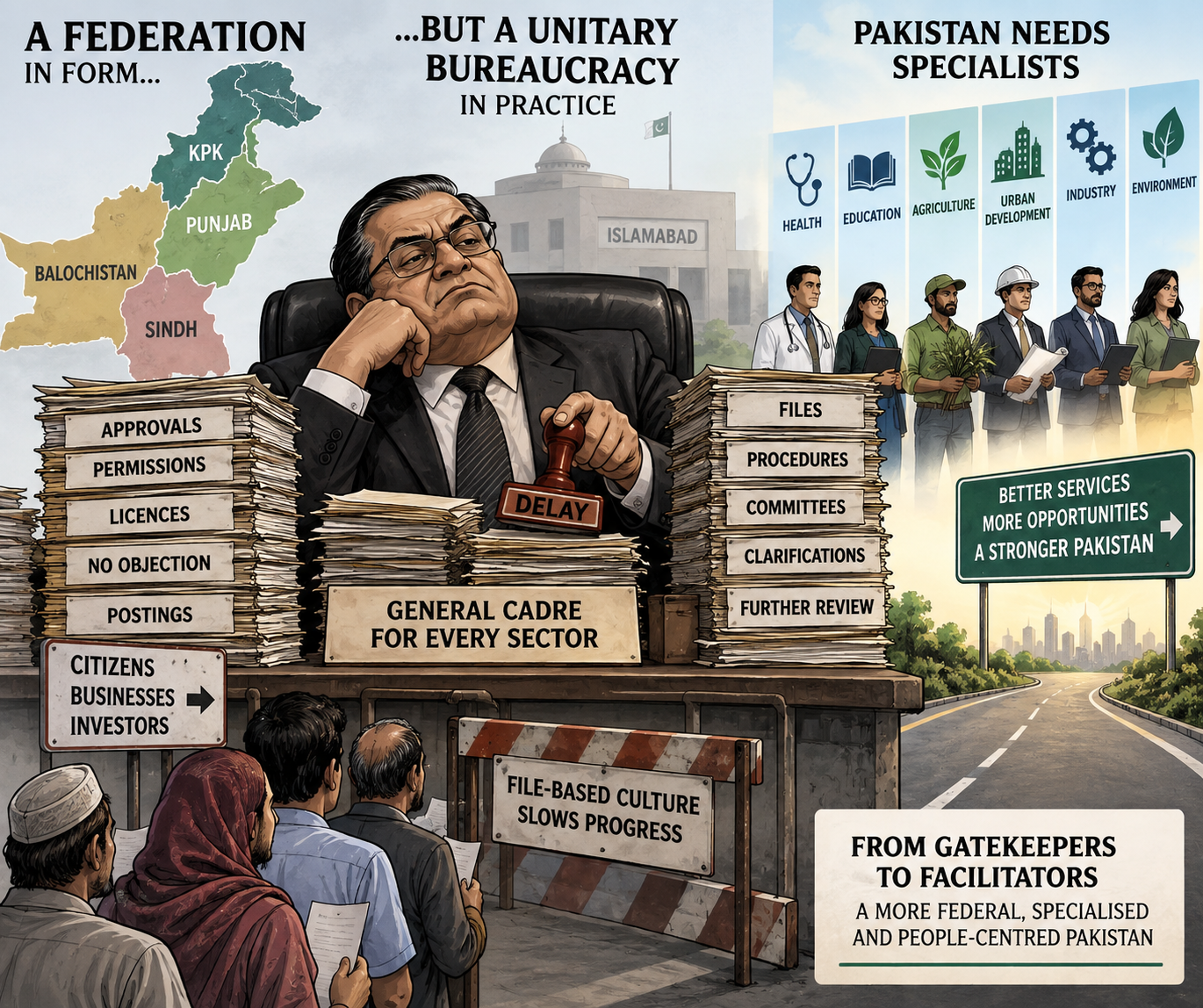
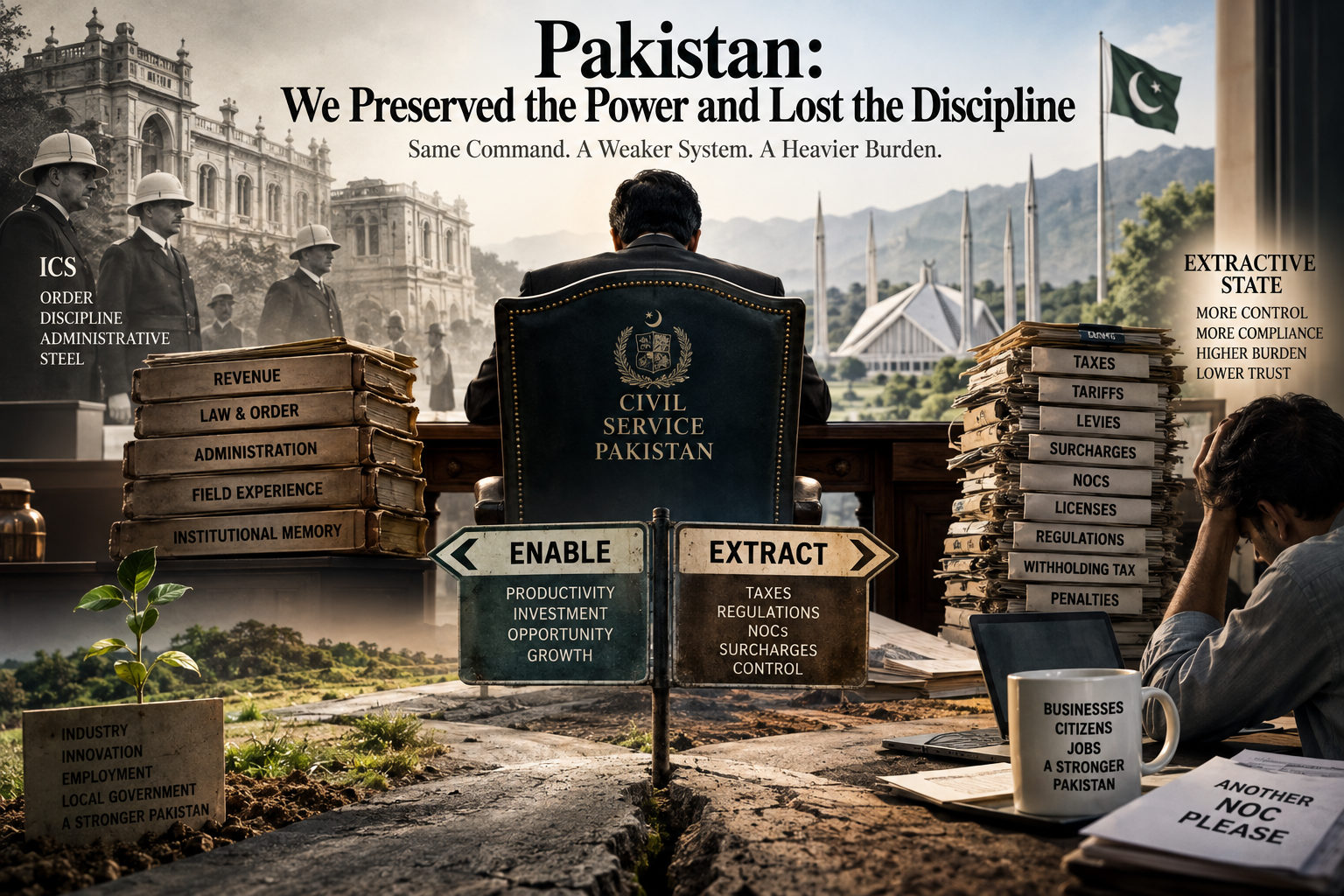
This confusion is not accidental. It has been cultivated over decades by a bureaucratic culture that prefers insulation from political accountability to genuine reform. By branding every instance of democratic oversight as interference, this culture has constructed a narrative that shields institutions from the very scrutiny the Constitution demands of them. The result is an executive apparatus that answers to no one, while the elected representatives of the people are told, wrongly, that their constitutional role ends at the ballot box and stops short of the corridors of power where decisions are actually made.
None of this places elected representatives above the law. The rule of law remains the bedrock of democratic government, binding politicians, institutions, and citizens alike without exception. It is precisely this balance, oversight matched with accountability, that sustains an effective and constitutional order.
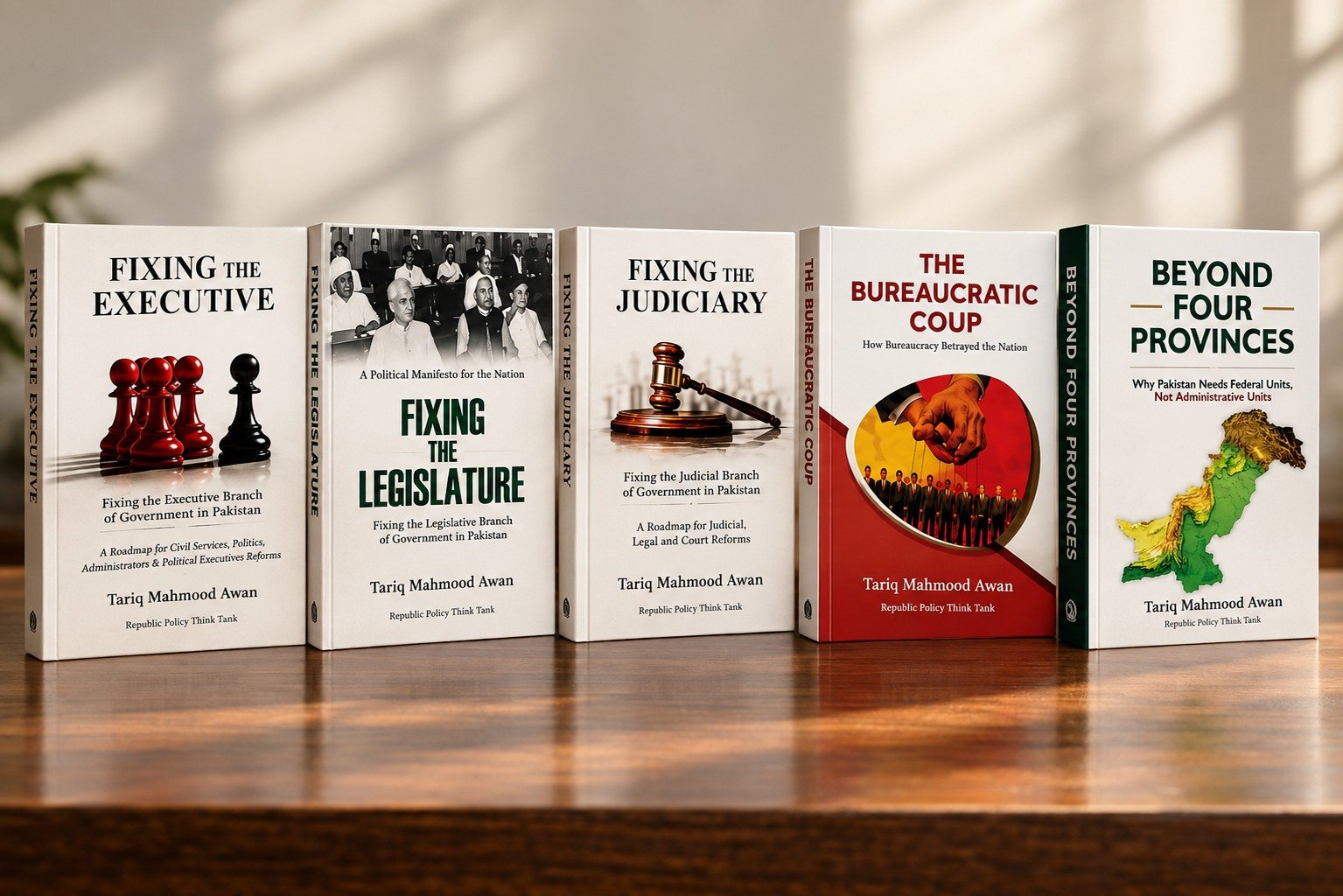
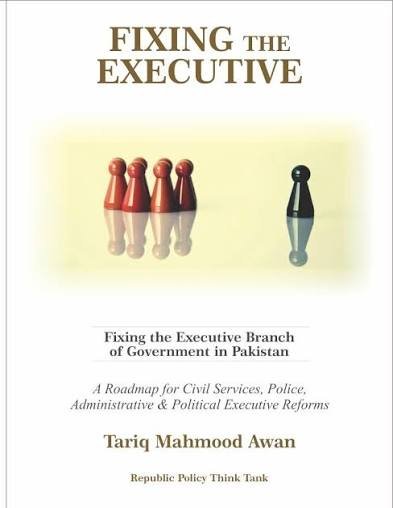
Republic Policy Think Tank examines this argument in detail in its book Fixing the Executive, offering a research-based study of Pakistan’s executive branch, civil service, police, local government, and administrative reform.
Readers seeking a serious understanding of governance and constitutional structure in Pakistan are encouraged to read Fixing the Executive.
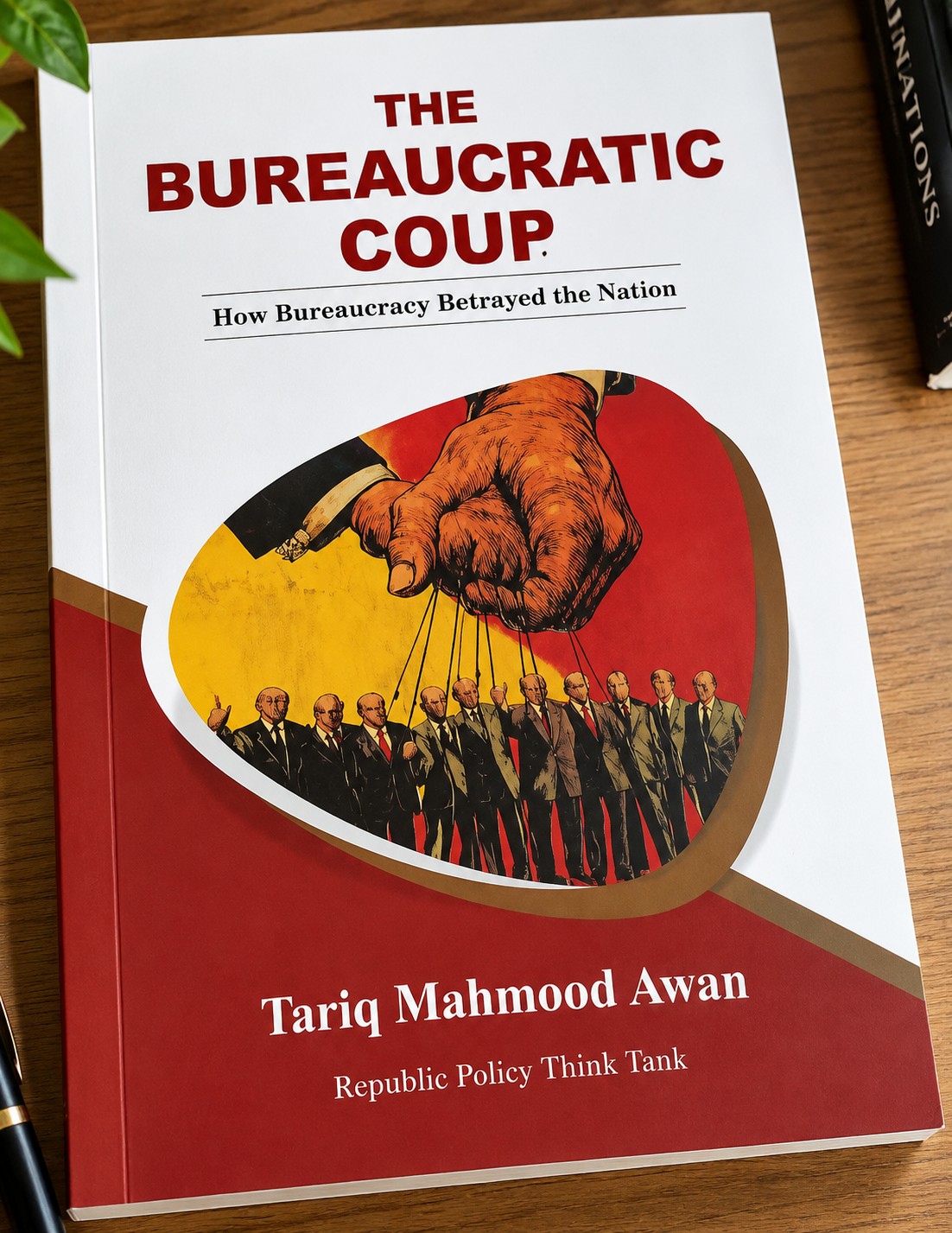
The best-selling books of Republic Policy Think Tank, including the landmark book The Bureaucratic Coup, are available at Vanguard Books, Liberty Books, Readings, Kitab Sarai, Sang-e-Meel, Saeed Book Bank Islamabad, National Book Foundation, and others across Pakistan. Contact for home delivery: 0300 9552542.