
Editorial
Bilawal Bhutto Zardari’s recent remarks have brought an important question back into Pakistan’s political debate: are political parties beginning to recognise the structural failures of the state, or are we witnessing another cycle of political slogans that will eventually fade without changing anything?
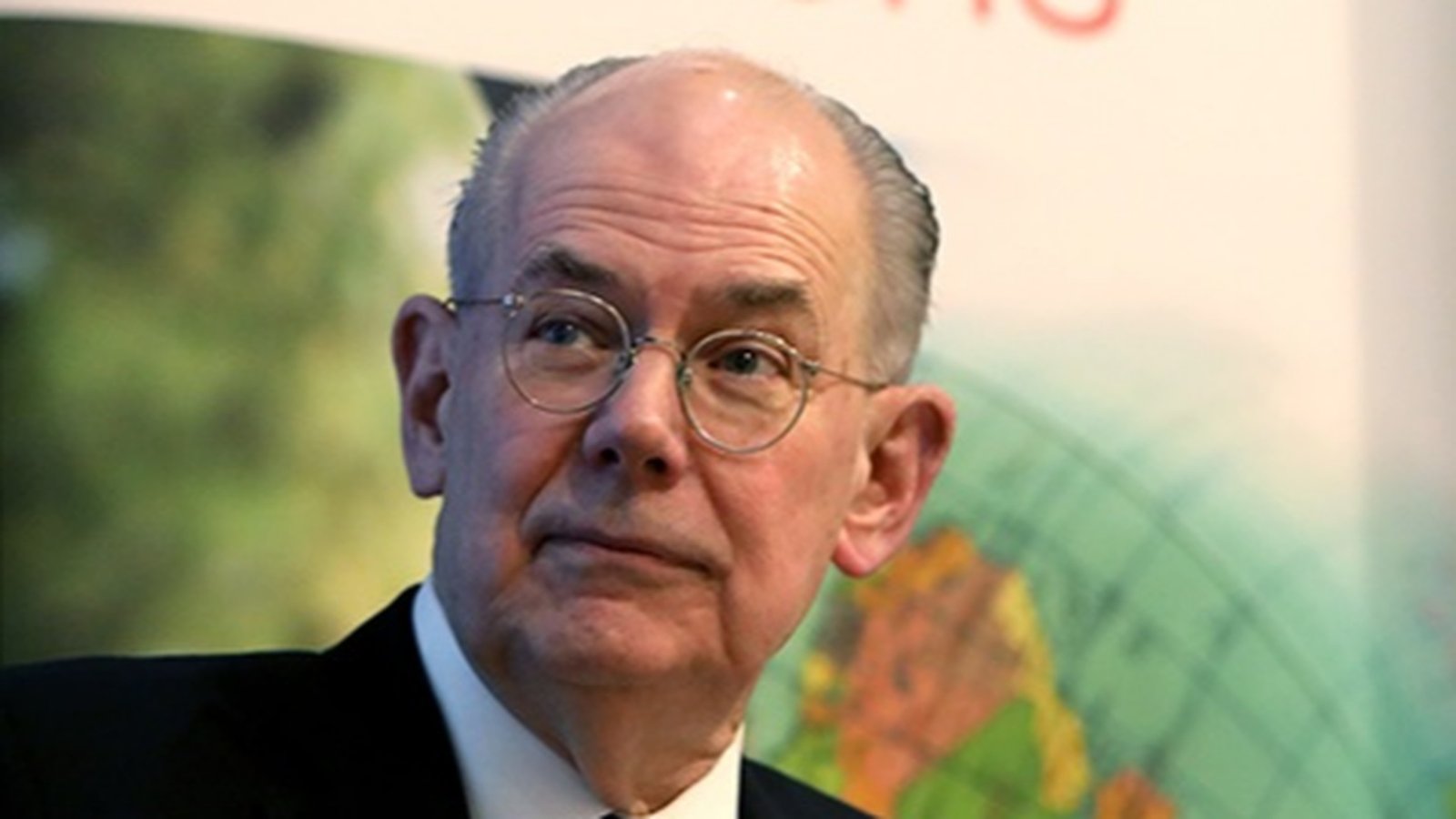
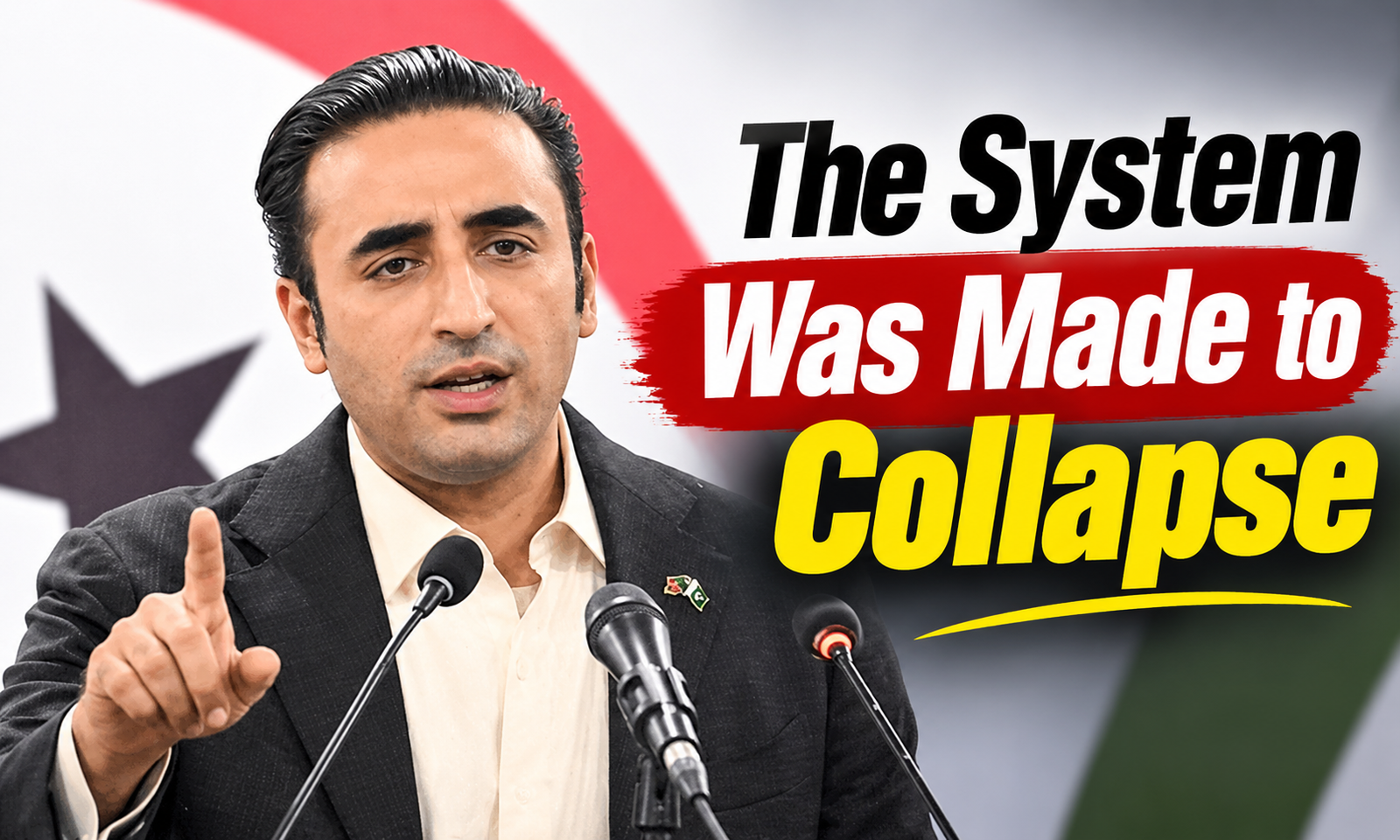
PPP Chairman Bilawal Bhutto Zardari has used a similar argument, saying that the system did not simply collapse but was “made to collapse”. His speech at the Karachi Press Club has once again brought the condition of the state and its institutions into public debate.
The significance of this language should not be overlooked. When political leaders from different periods begin acknowledging that the system itself is failing, it suggests that political consciousness is emerging. There appears to be a growing recognition that Pakistan’s problems cannot be explained entirely through the performance of one government, one political party or one political leader. The crisis is deeper than that. It concerns the way the state is organised, the way authority is exercised and the way public institutions function.
But an important question remains: will this emerging political consciousness lead to genuine institutional reforms, or will it remain another political narrative that creates an illusion of change?
For Republic Policy, the answer begins with a fundamental question that political parties must ask themselves: who actually holds power in Pakistan?
Political parties often speak as though they possess the authority to transform the country once they enter government. In constitutional terms, elected governments exercise executive authority and Parliament holds legislative powers. Yet the practical exercise of these powers is far more complicated. Political executives may hold office, but the permanent machinery of the state controls much of the administrative process through which policies are interpreted, implemented and sustained.
This is where the central problem lies.
The bureaucracy is not simply one department of government. It is the permanent administrative structure of the state. It manages public resources, executes government decisions, maintains institutional records, regulates public services and operates the machinery of administration. It remains in place as political governments change. Its influence therefore extends across governments and political cycles.
Pakistan cannot reform its governance system without reforming this permanent part of the state.
Political parties may change governments, introduce new slogans, announce development programmes and promise a political reset. But if the administrative structure remains unreformed, the results will remain limited. New policies will continue to pass through old institutional arrangements. Political decisions will still depend on an administrative culture that has evolved over decades, often without adequate accountability, specialisation or institutional renewal.
The inherited generalist model of bureaucracy needs serious reconsideration. A modern state requires professional, specialised and accountable public institutions. It cannot depend indefinitely on an administrative structure in which generalist control dominates sectors that demand technical knowledge, professional expertise and specialised management.
Civil service reform, therefore, must become a central part of the political agenda. It should address recruitment, training, promotions, postings, performance evaluation, specialisation and accountability. It must also redefine the relationship between elected political executives and the permanent civil service. The bureaucracy should provide professional advice and implement lawful government policy, while remaining answerable to the elected leadership and the institutions established by the Constitution.
This is not an argument against bureaucracy. Every modern state needs a capable civil service. The question is whether that service is organised to serve the public interest and the elected government, or whether the administrative structure itself becomes a centre of power that limits political authority and institutional accountability.
The second essential reform concerns political parties themselves.
A political party cannot demand institutional accountability from the state while remaining institutionally weak within its own organisation. Political parties must develop internal democracy, research capacity, policy expertise, professional organisational structures and mechanisms for accountability. They must move beyond personality-driven politics and become institutions capable of producing policies, preparing legislation and developing competent political leadership.
Most importantly, Parliament must become an effective institution of oversight. Only an empowered legislature, supported by capable committees, professional research and adequate institutional resources, can consistently hold the executive and bureaucracy accountable. Political representation alone is not enough. Legislators must have the capacity to examine government decisions, scrutinise public expenditure, question administrative performance and ensure that public institutions operate within the law.
An elected representative who lacks access to research, institutional support and legislative expertise cannot exercise meaningful oversight over a powerful administrative structure. Strengthening Parliament is therefore inseparable from civil service reform.
This brings us back to Bilawal Bhutto Zardari’s statement. His speech raises questions about political consensus, parliamentary legitimacy and the loss of public confidence in state institutions. These are important subjects. His call for a political reset also recognises that political participation and parliamentary engagement cannot be ignored when discussing the future of governance.
However, a political reset cannot be limited to improving relations between political parties or restoring confidence in Parliament. It must also address the institutional structure through which the state exercises power. Otherwise, political parties may return to the same arrangements that produced the crisis in the first place.
There are two possible outcomes. Political parties may use this moment of growing awareness to develop a serious reform agenda, beginning with civil service reform, parliamentary strengthening and their own institutional development. Or they may return to conventional politics once the immediate debate has passed. In that case, the language of a collapsed system will create an impression of political awareness without producing any meaningful transformation.
The real test is not whether political leaders can describe the collapse of the system. It is whether they are prepared to reform the institutions that sustain it.
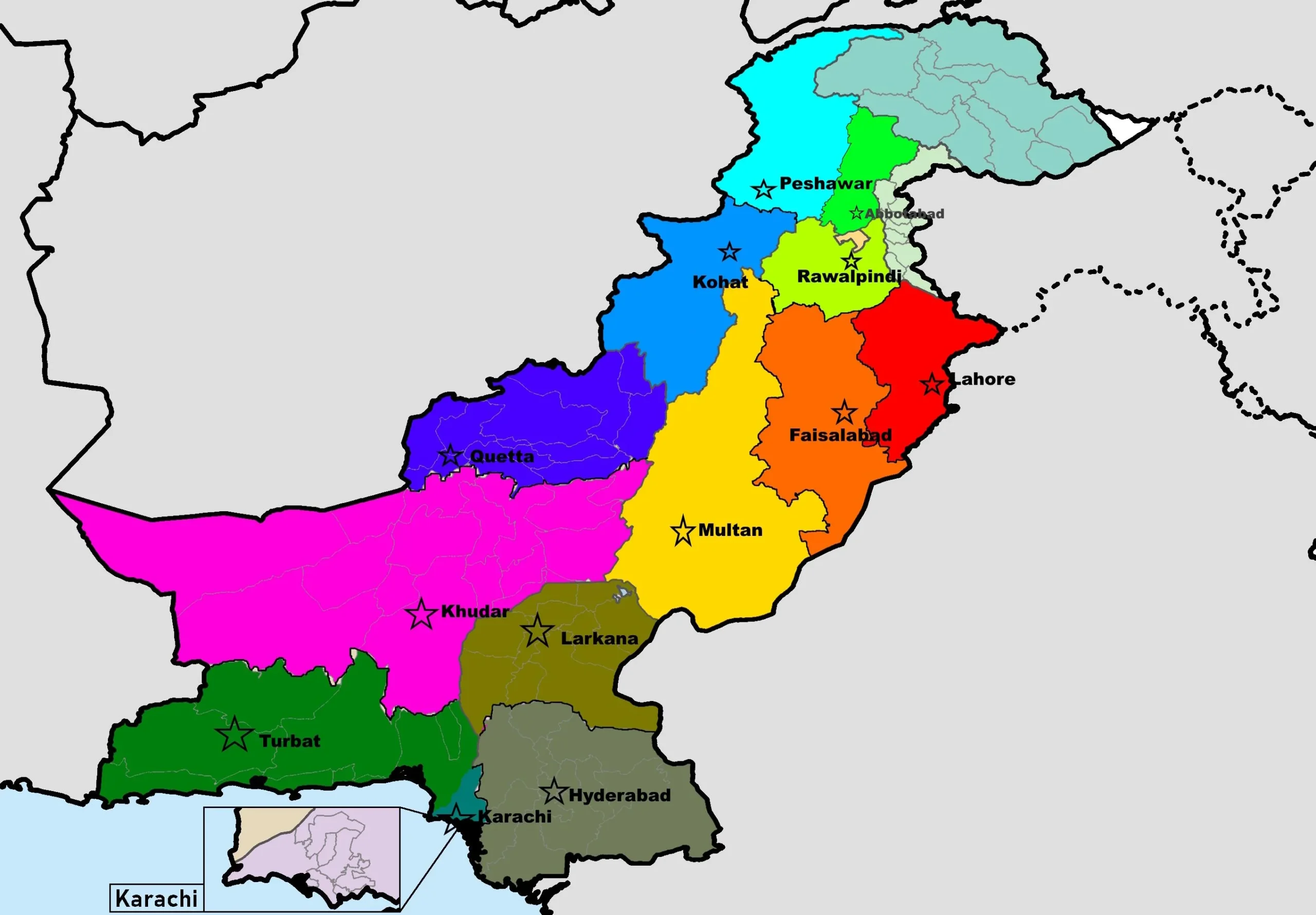
If political parties have genuinely realised that the system is not working, they must recognise that the solution lies beyond political slogans, electoral arrangements and changes in administrative boundaries. They must examine where power actually resides, how the permanent machinery of government operates and why elected institutions have struggled to exercise effective oversight.
Pakistan needs a new institutional settlement: a professional and accountable civil service, an empowered legislature, internally developed political parties and a clear constitutional relationship between political authority and permanent administration.
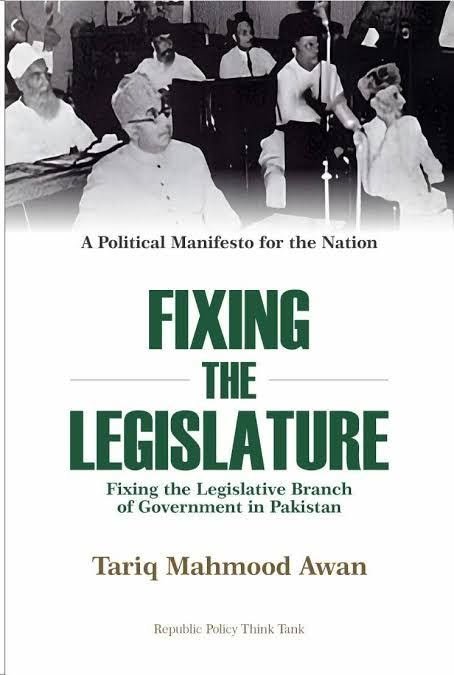
This is precisely the reform agenda that Republic Policy has been advancing through its five books on governance and institutional reform. The argument is simple: Pakistan does not merely need a change of governments. It needs a transformation of the institutions through which the state is governed.
The system may have been made to collapse. But recognising that fact is only the beginning. The real question is whether political parties are prepared to change the structure of power that keeps reproducing the same crisis.
Read Republic Policy’s five-book governance reform series and become part of the debate on institutional change.
For orders and home delivery: 0341-4222501 (WhatsApp)