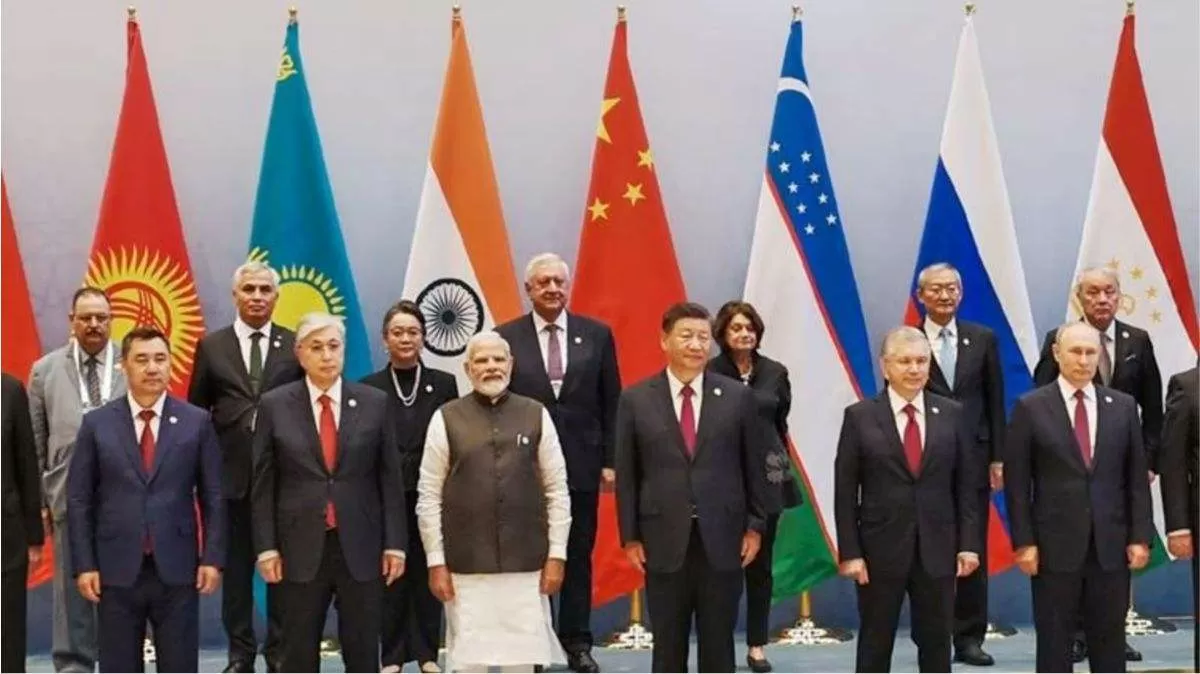

A Pragmatic Agenda for Regional Cooperation As Pakistan steps into the chairmanship of the Shanghai Cooperation Organisation’s (SCO) Council of Heads of State for 2026–27, Islamabad has articulated a clear, progress-oriented agenda centered on apolitical developmental avenues. Prime Minister Shehbaz Sharif outlined a forward-looking strategy prioritizing information technology, artificial intelligence, energy infrastructure, disaster mitigation, public health, poverty alleviation, and cultural exchanges. By targeting these shared priorities, the initiative seeks to unlock synergies for the region’s three billion inhabitants. Should this emerging geo-economic coalition across Central and Southwest Asia successfully execute its vision, it could establish a robust institutional framework capable of de-escalating long-standing bilateral and regional friction. Crucially, Islamabad reflected a sharp alignment with regional realities by addressing the core threats of terrorism and the weaponization of water resources, warning that such measures only induce volatility and political degradation.
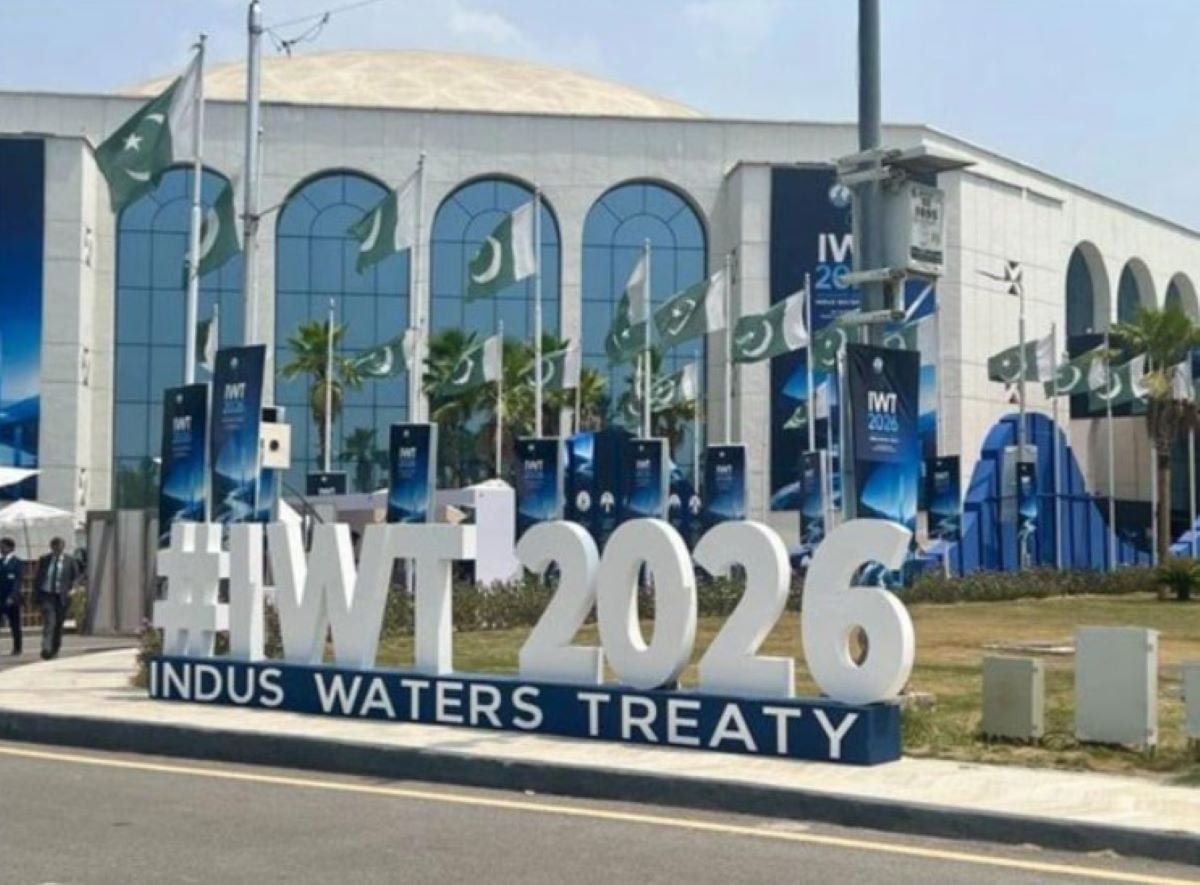
Navigating Geopolitical Barriers to Achieve Collective Unity The recent summit in Bishkek underscored a collective desire among regional leadership to forge an integrated geopolitical entity unburdened by bilateral disputes. Achieving this vision, however, requires key regional anchors—namely China, Russia, and Iran—to actively encourage India toward constructive engagement with Pakistan. Precedents for such high-level alignment exist: during last year’s Tianjin summit in China, both Pakistan and India endorsed a joint communique committing to address terrorism through a shared conceptual framework. A similar spirit of consensus must now be applied to the equitable and lawful management of the Indus waters. Direct engagement between the heads of government of Pakistan and India remains essential to unlocking this potential and reinforcing the institutional credibility of the SCO.
Diplomatic Imperatives Amid Global Instability In an era marked by escalating conflict in the Middle East and severe disruptions to global supply chains—compounded by strain around strategic maritime choke points like the Strait of Hormuz—the SCO’s emphasis on proactive geo-economic diplomacy is both timely and vital. Pakistan has reiterated its willingness to act for the collective good, pointing to its historical role as a diplomatic bridge between the United States and Iran. Translating this intent into tangible diplomatic outcomes will be critical. The 10-member bloc, along with its dialogue partners and observers, faces a decisive opportunity to transform regional economic interdependence into enduring stability.