
Editorial
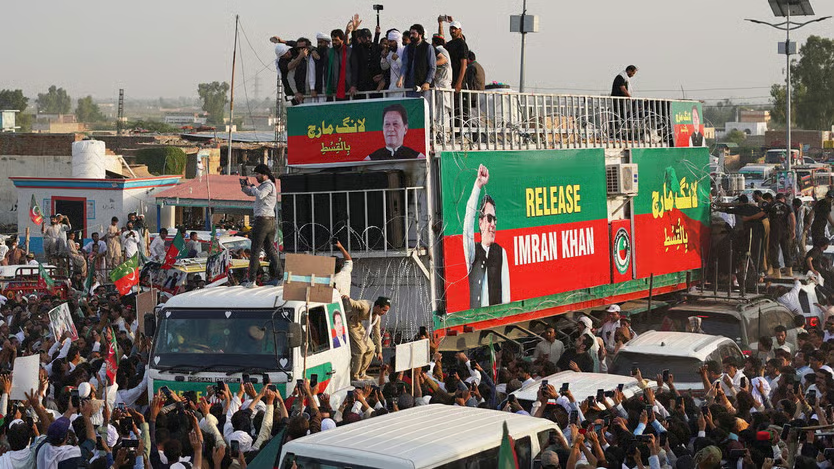
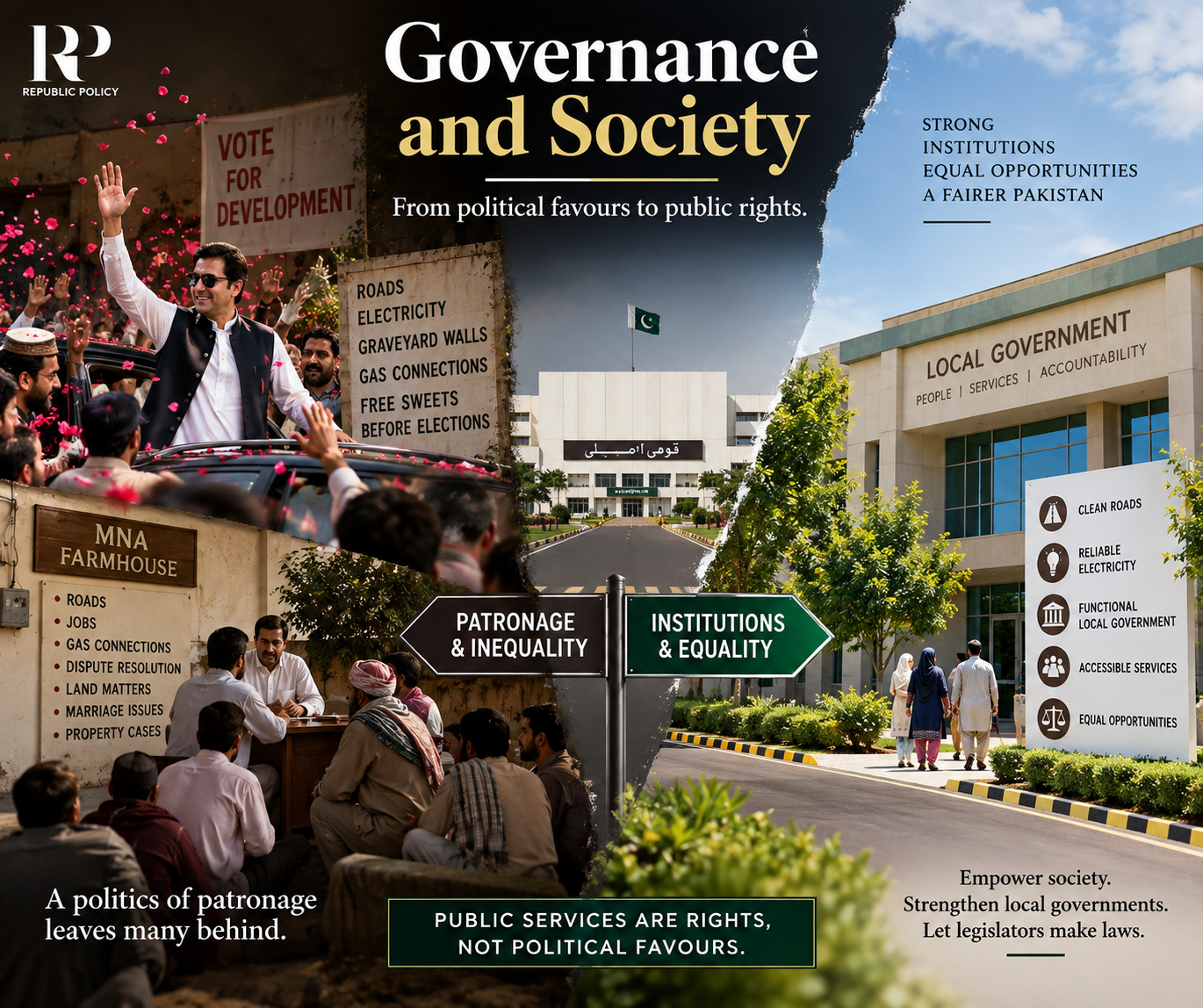
Consider a familiar scene during an election campaign. A politician returns to his constituency after arranging funds for roads, graveyard boundary walls, electricity connections and other local projects. People gather to welcome him, sometimes showering him with rose petals. Such development spending is presented not as the delivery of a citizen’s right, but as the generosity of an individual politician. In one striking example, a former National Assembly member reportedly asked a local landlord to distribute free sweets for an entire month before a general election.
The relationship continues after elections. MNAs are approached not only for roads, gas and electricity connections but also as informal adjudicators of disputes involving land, property and marriage. Their farmhouses become alternative centres of governance.
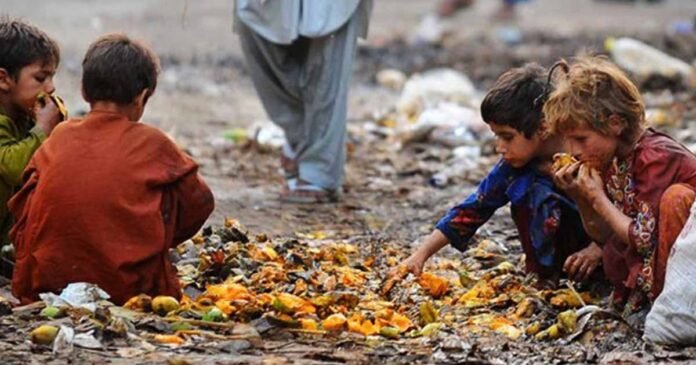
The political economy is clear: the powerful secure roads, services and access, while marginalised communities are left behind. Development follows influence rather than need. Republic Policy’s research further argues that the PSDP, under such a system, becomes a source of rent-seeking rather than an effective driver of development.
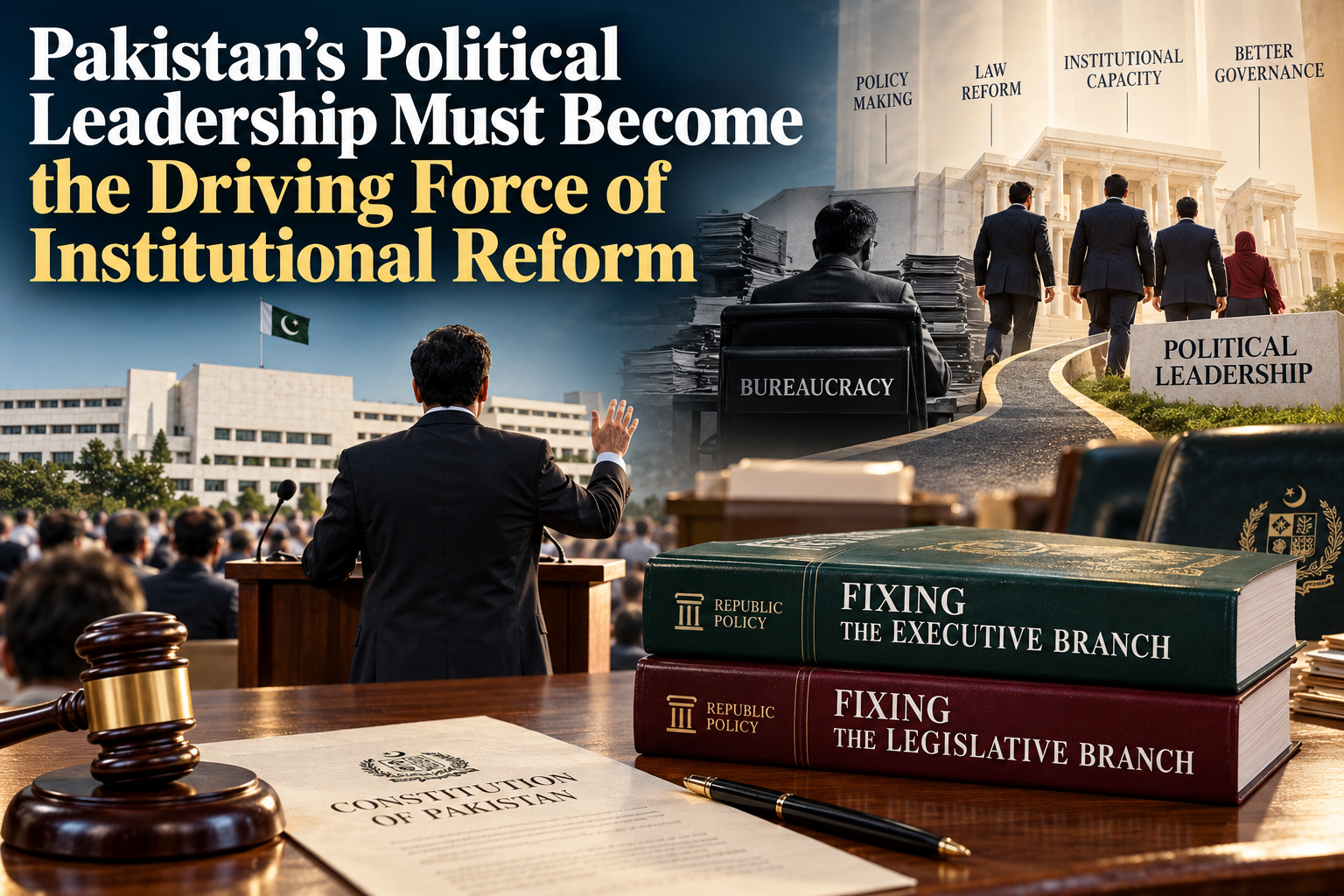
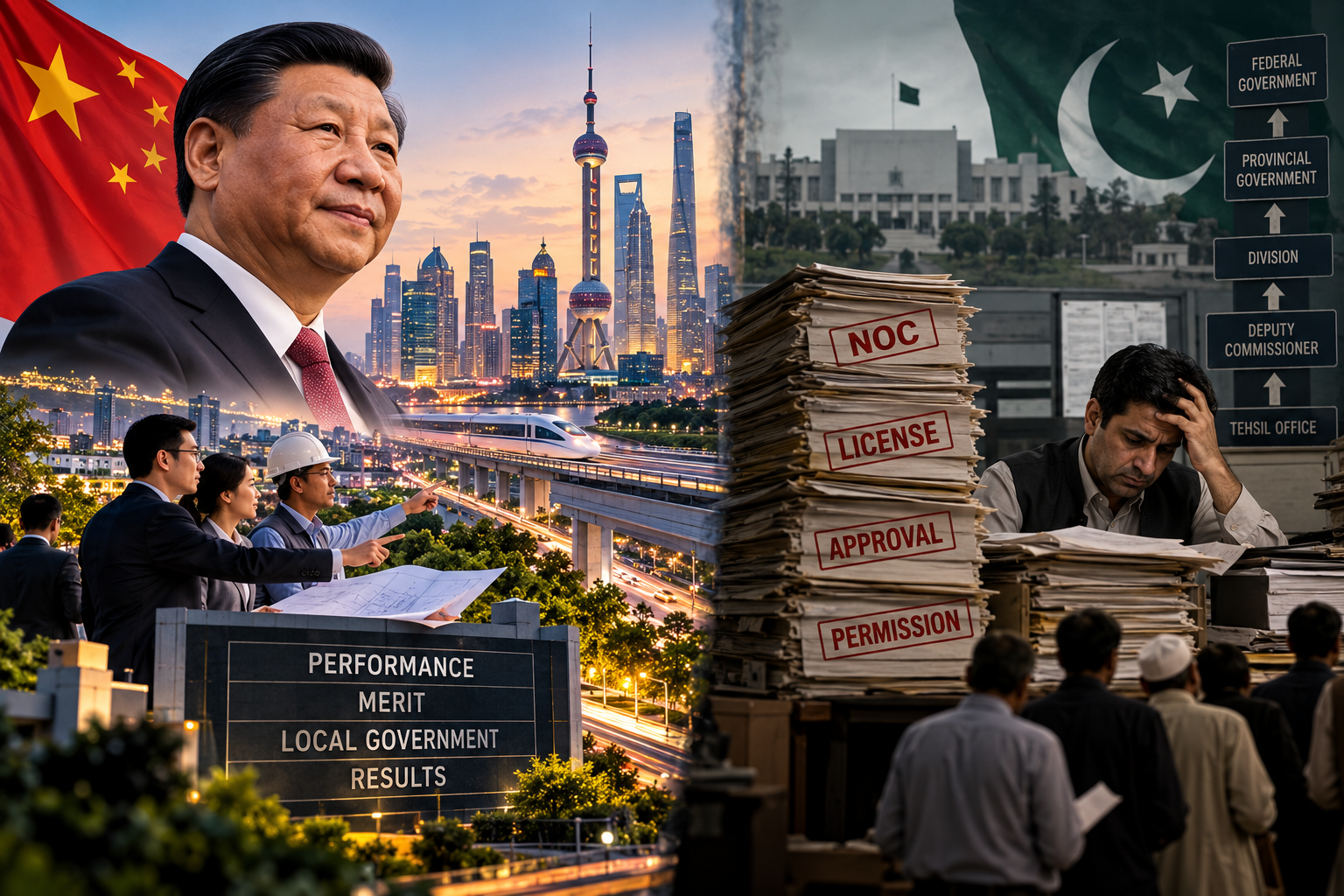
Pakistan needs two fundamental changes: empower society and strengthen the citizen-state relationship through effective local and city governments.
Citizens should receive local services from institutions, not legislators. Strong local governments can make development more equal, reduce political patronage and allow legislators to perform their actual responsibilities: law-making, representation and oversight of the executive.
Pakistan must move from a politics of patron and beneficiary to a system of citizen and state.
Good governance begins when citizens receive public services as rights, not political favours.