
Modernization is never simply a matter of adopting new laws, building institutions, or introducing technology. Behind every functioning state lies a culture that shapes how people understand authority, merit, public service and their relationship with government.
This is where the experience of South Asia differs significantly from that of several East Asian societies.
When East Asian countries began modernizing their states, they could draw, at least partly, upon historical traditions of organized administration and merit-based public service. South Asia entered modern state-building through a different historical route. Much of our experience with modern bureaucracy, competitive recruitment and formal administrative institutions developed under colonial rule.
The result is a difficult relationship between modern institutions and older social habits.
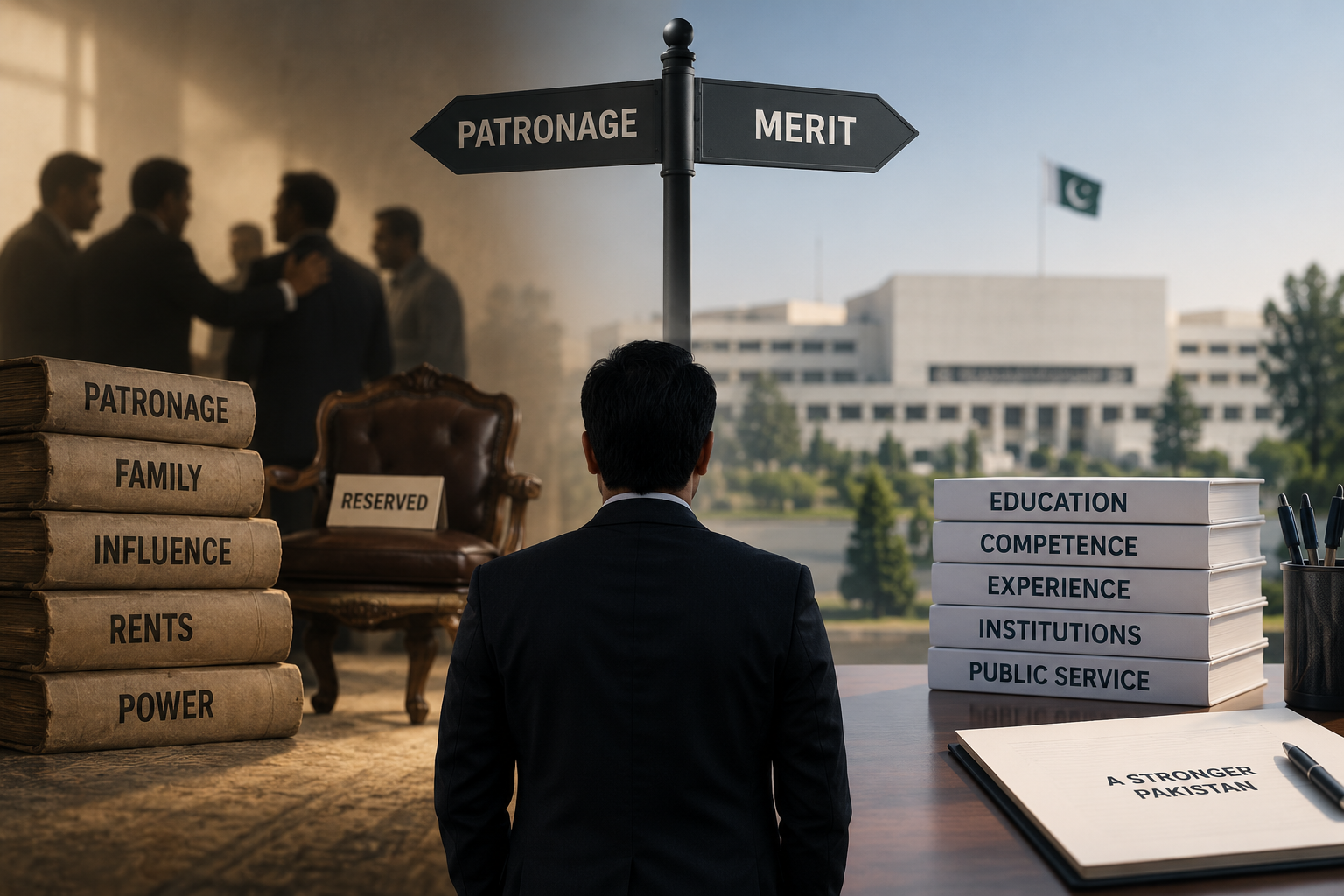
In Pakistan, as elsewhere in South Asia, family, kinship, tribe, caste, biradari and local networks can remain powerful sources of identity and loyalty. These bonds are not inherently problematic. The difficulty begins when loyalty to family or local networks becomes stronger than responsibility towards public institutions.
A civil servant, for example, enters government through a formal system that expects impartiality. Yet the social environment around that officer may expect something very different: jobs for relatives, favours for acquaintances, influence for the local community and preferential access to state resources.
The individual is recruited to serve the state but is often socially pressured to serve the network.
This tension lies at the heart of many of Pakistan’s governance problems.
The Culture of Patronage
The problem extends beyond the civil service. Power, patronage and access to state-generated rents have historically carried enormous social and economic value in South Asia.
Government employment is therefore frequently attractive not merely because it provides an opportunity for public service, but because it offers security, status, authority and access to the state.
The same instinct can appear in the private sector.
Many businesses prefer protection to competition. Industrialists may seek tariffs, subsidies, regulatory privileges, licences or preferential treatment rather than competing openly through productivity and innovation. Where the incentive structure rewards connections more reliably than performance, rational individuals naturally invest in connections.
This creates a larger governance problem: a society cannot build genuinely meritocratic institutions when its economic and political incentives consistently reward patronage.
The state may formally proclaim merit while the surrounding culture continues to reward discretion.
From Discretion to Merit
South Asia also inherited traditions in which authority was highly personal and discretionary.
The Arthashastra, one of the region’s great works of political thought, recognized the importance of appointing capable people to positions of responsibility. Yet the determination of ability ultimately remained closely connected with the judgment of the ruler.
This is merit, but merit operating through discretion.
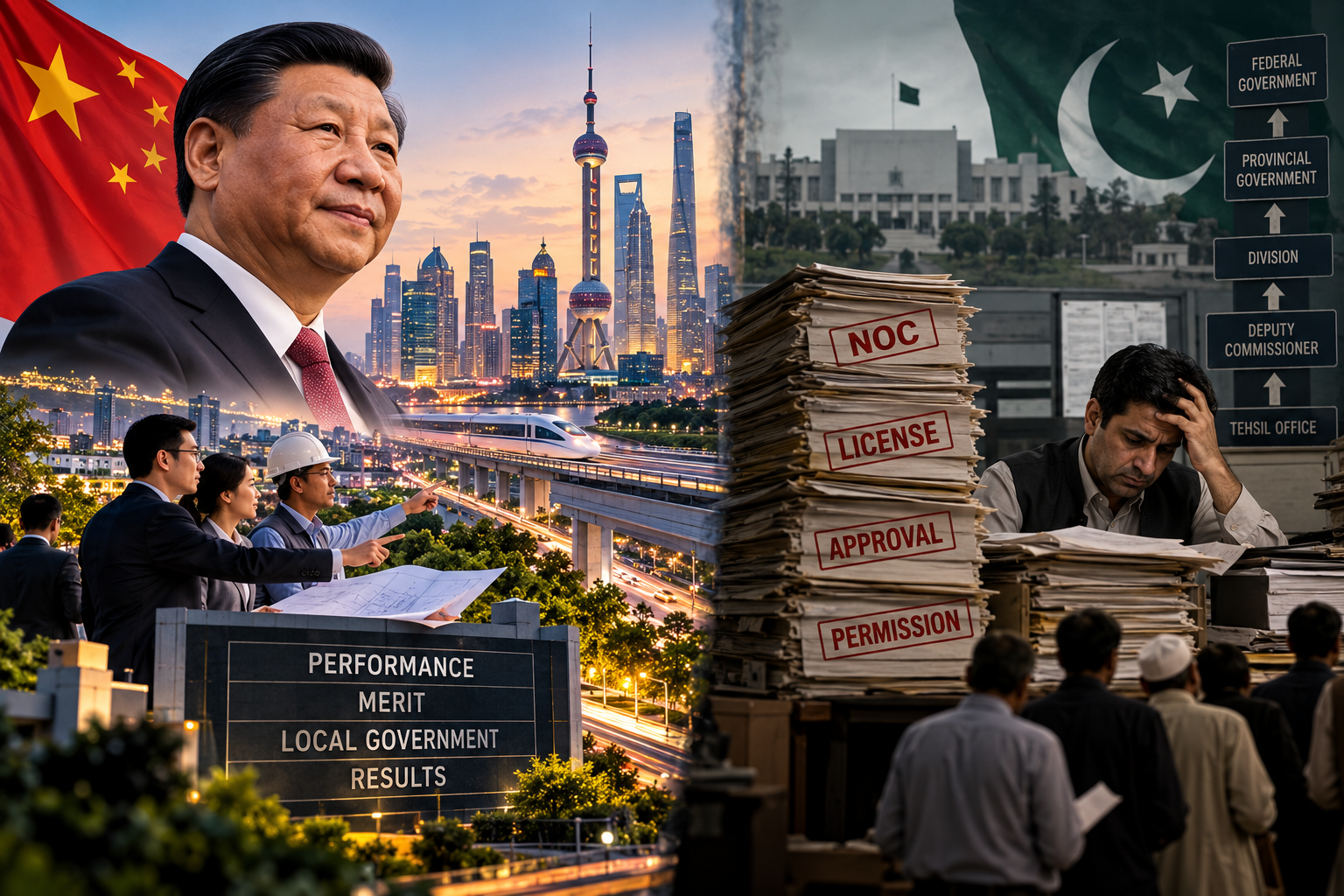
The Chinese administrative tradition gradually developed a different answer. Following centuries of intellectual and institutional development, particularly under the influence of Confucian political thought, merit increasingly became associated with education, examination, knowledge and administrative experience.
The important change was not simply that competent people should govern. Almost every political tradition has understood the value of competence.
The deeper question was: Who determines competence?
If the ruler alone decides who is capable, merit remains dependent upon personal judgment. But when qualifications are tested through institutionalized standards, examinations, training and demonstrated performance, merit begins to move from discretion towards a system.
That distinction remains highly relevant to Pakistan.
Professionalizing Pakistan
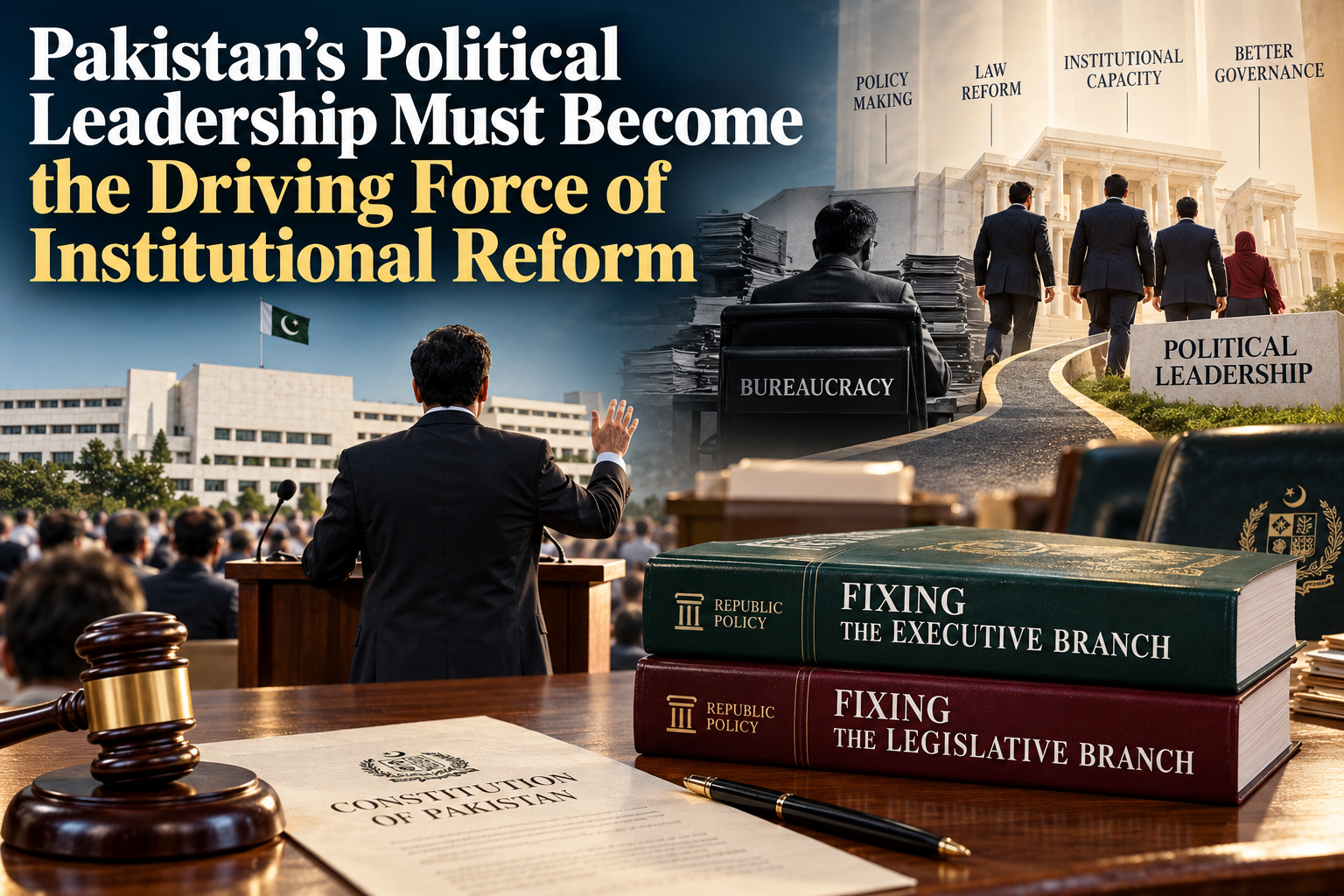
If Pakistan wants to modernize its governance, improving the quality and professionalism of its civil service must be central to the process.
Recruitment alone is not enough. A professional civil service requires credible merit-based selection, specialized training, continuous learning, performance evaluation, institutional memory, professional autonomy and promotion based substantially on competence rather than connections.
It also requires changing incentives.
A talented officer should know that professional performance matters more than political patronage. A business should find innovation more profitable than seeking government protection. A citizen should encounter institutions rather than personalities when dealing with the state.
None of this means Pakistan should attempt to become another Japan, China or Germany.
Modernization should not mean cultural imitation.
Pakistan has its own history, social structure, constitutional framework and political realities. Institutions transplanted without understanding these realities rarely function exactly as intended. The objective should therefore be neither to abandon Pakistan’s culture nor to copy another society wholesale.
The objective should be to build institutions capable of transforming those cultural practices that undermine merit, professionalism and public responsibility while preserving the strengths of society itself.
Pakistan does not need to become someone else in order to modernize.
It needs to become a better-governed, more professional and more meritocratic version of itself.