
Editorial
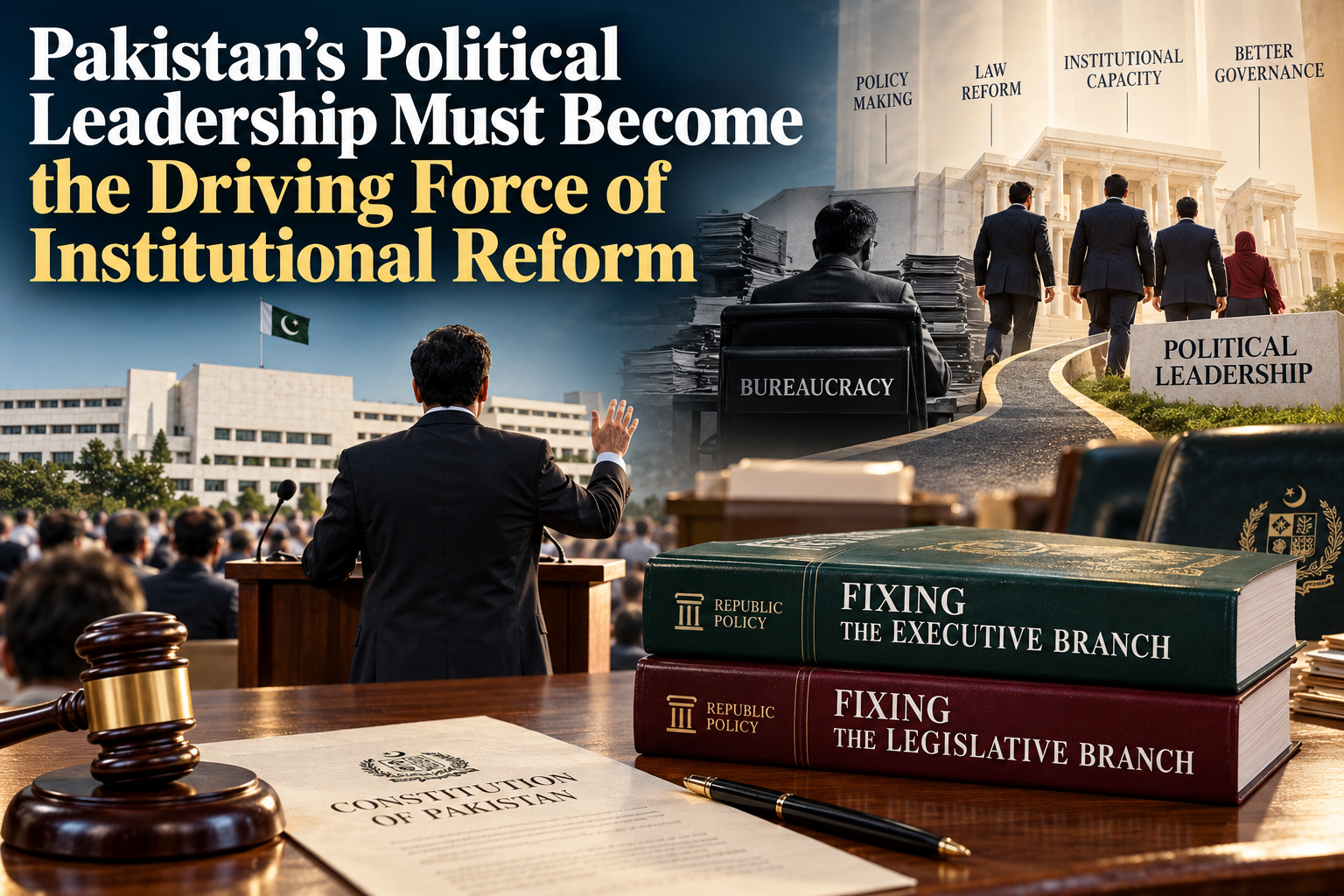
The survival of democratic values requires more than elections, parliamentary majorities, and constitutional institutions. It requires legislators who are intellectually capable of understanding the Constitution, legislation, public policy, and the complex machinery of the modern state—while exercising that capacity within the limits prescribed by the Constitution.
Pakistan’s Constitution defines the country as a parliamentary democracy in which sovereignty ultimately rests with the people. Through their elected representatives, citizens are expected to play a central role in governance. Yet Pakistan’s history of governance reveals a fundamental weakness: little serious attention has been paid to the intellectual and professional development of politicians themselves.
A politician who enters a parliamentary committee should be capable of reading, analysing, debating, and, where necessary, challenging a bill. Yet the reality is often very different. From understanding the technical provisions of legislation to examining its financial, administrative, and constitutional implications, many legislators remain heavily dependent on the bureaucracy. When lawmakers cannot independently understand the laws they are expected to scrutinise, how can they effectively question the executive, challenge administrative decisions, or exercise meaningful oversight and accountability?
This intellectual and research deficit has serious consequences for parliamentary democracy. Legislation can be rushed through Parliament within twenty-four hours, leaving little room for substantive debate, expert scrutiny, or committee deliberation. A parliament that merely approves legislation prepared elsewhere cannot fully perform its constitutional role as a check on executive power.
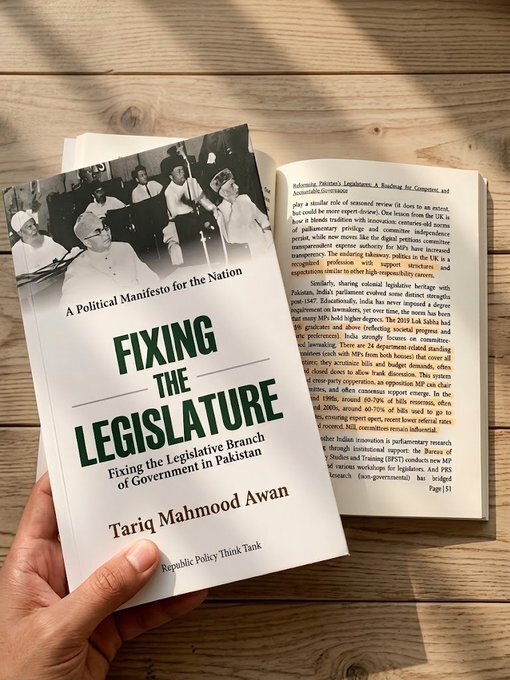
India offers a useful contrast. Its comparatively stronger political tradition has contributed to a legislature with a substantial proportion of university graduates. Approximately 85 per cent of members of the Lok Sabha are graduates. Moreover, during the 1990s, around 60 to 70 per cent of bills were reportedly discussed in relevant parliamentary committees before reaching the floor. Committee scrutiny gives legislators an opportunity to examine legislation in greater depth, consult expertise, identify weaknesses, and propose improvements before a bill becomes law.
The lesson for Pakistan is clear: governance reform must begin with the reform of those who govern.
Strengthening Parliament does not simply mean changing procedures or creating new institutions. It means investing in the intellectual capacity of politicians. Legislators need access to research, policy expertise, legislative drafting support, technical briefings, and continuous professional development. They must be equipped to understand complex legislation rather than simply depend upon the officials who draft and administer it.
A politically empowered but intellectually weak legislature cannot effectively hold the executive accountable. Democratic institutions become meaningful only when the people who operate them possess the capacity, independence, and constitutional discipline required to perform their responsibilities.
If Pakistan wants better governance, the first reform should therefore be political capacity itself. Reforming the politician is the first step towards reforming governance.
Adapted from an excerpt of Tariq Mahmood Awan’s book.
To order the book: 0341-4222501