
Reading may feel natural to those who have spent years with books, but the human brain did not evolve specifically for it. Unlike speech and vision, reading is a relatively recent human invention. As UCLA neuroscientist Rebecca Gotlieb explains, our brains have not had enough evolutionary time to develop a system devoted exclusively to reading.
Instead, reading requires the brain to bring together several existing abilities, including visual recognition, auditory processing, language, attention and emotion. Each time we read, these systems work together to turn written symbols into meaning.
This process began thousands of years ago with readers of Sumerian cuneiform and Egyptian hieroglyphics. It continues today across different writing systems, including the Latin alphabet, Chinese characters and Arabic script. Each system places different demands on the brain and can influence how its reading networks develop.
What has changed dramatically is the number of people who read and the ways in which they do so. Literacy was once largely restricted to scribes, priests and ruling elites. Today, reading is a common part of everyday life for much of the world’s population.
The medium has changed, too. The transition from papyrus to paper transformed how knowledge was preserved and shared. Now, the movement from printed pages to digital screens is influencing not only where we read, but also how we process information.
What Screens Do to Our Reading Habits
According to Gotlieb, people are more likely to skim when reading on screens. Rather than following an argument carefully, they may move quickly between headlines, paragraphs and links.
This habit can make it harder to examine claims closely and may increase susceptibility to misinformation.
Neuroscientist Maryanne Wolf, author of Come Home: The Reading Brain in a Digital World, has raised similar concerns. In a 2018 article for The Guardian, she argued that habitual skimming could weaken the careful analysis and empathy associated with deep reading.
Her concern extends beyond books. In an environment where information arrives continuously, readers may increasingly gravitate towards familiar opinions rather than spend time examining unfamiliar or challenging ideas.
The result, Wolf warned, could be a greater vulnerability to false information and manipulative public messaging.
Why Children’s Reading Habits Matter
The implications may be particularly important for children, whose reading abilities and attention patterns are still developing.
In the BBC World Service video, Wolf points to research suggesting an association between heavier digital exposure and poorer academic outcomes. She also warns that frequent distraction and overstimulation may make children increasingly accustomed to rapid changes in what captures their attention.
A child who regularly moves from one digital stimulus to another may find it more difficult to remain engaged with a demanding text that requires patience and sustained concentration.
The concern is not simply that children are spending less time with printed books. It is that their developing brains may have fewer opportunities to practise the slower, more attentive reading that supports reflection and understanding.
The Importance of a Reading Life
Parents, teachers and other adults can help children develop lasting reading habits by demonstrating the value of reading in their own lives.
Children learn not only from what adults tell them to do, but also from what they see adults enjoying. A home or classroom where books are read regularly can show that reading is more than an academic obligation. It can be a source of pleasure, curiosity and discovery.
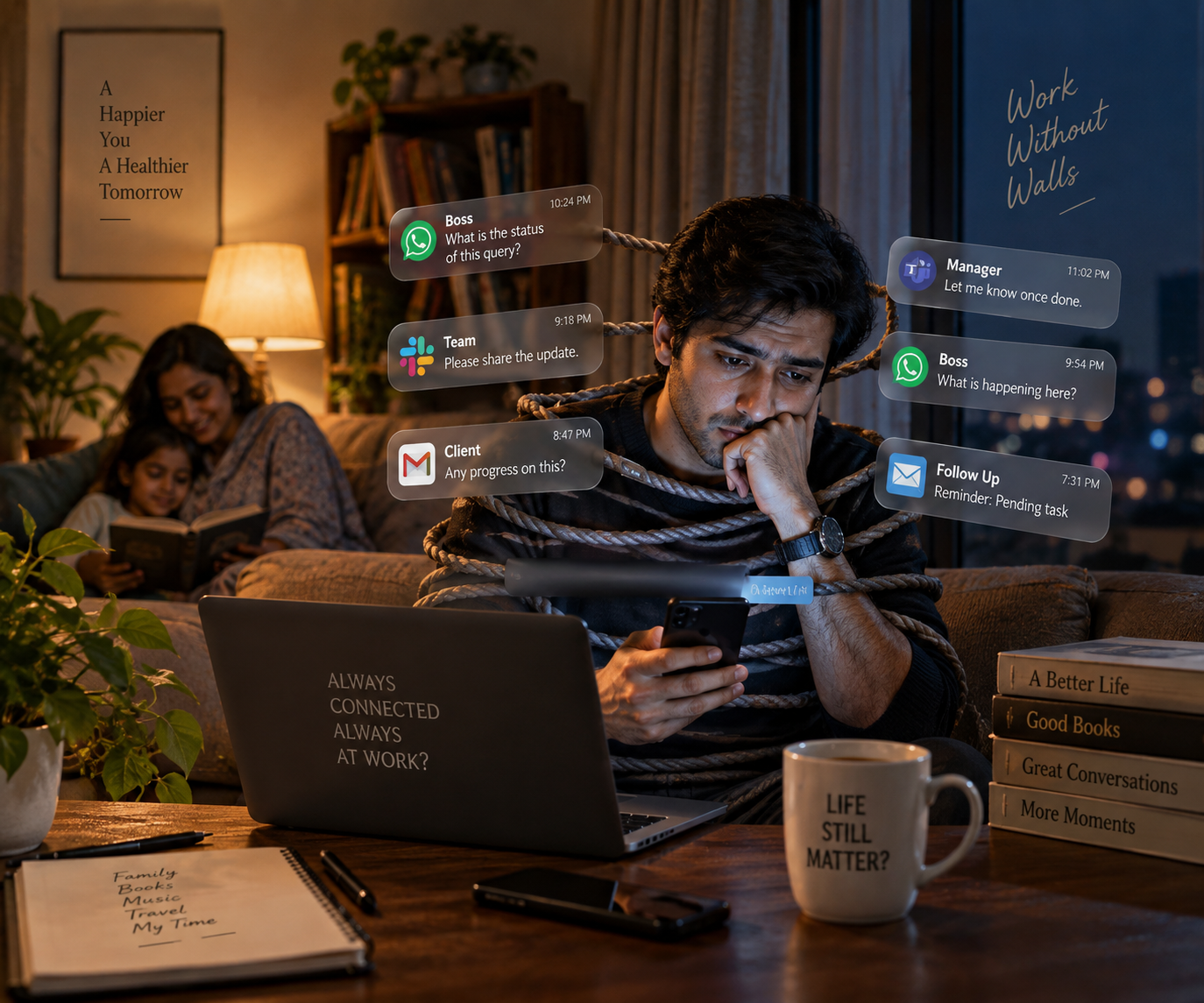
The challenge applies equally to adults. Many of us recognise the importance of sustained reading while struggling to resist the distractions of our own devices.
We may begin an article with every intention of finishing it, only to interrupt ourselves by checking a message, opening another tab or following an unrelated link.
Perhaps the most revealing question is also the simplest: How many times did you feel tempted to look at something else before reaching the end of this article?