
Editorial
Political instability is not merely a condition that a country experiences. It is also a cause of deeper institutional problems, with consequences that can endure long after an individual protest, political confrontation or change of government has ended. It gradually shapes political behaviour, weakens institutions and alters the relationship between elected representatives and the democratic system they are supposed to sustain.
Pakistan has developed a troubling culture of political instability. Protest has increasingly replaced parliamentary engagement, political confrontation has overshadowed debate, and the willingness to accept political differences has steadily declined. The result is a political environment in which governments and opposition parties often appear more interested in challenging one another’s existence than in strengthening the institutions through which their disagreements should be resolved.
This pattern has continued despite successive elected governments. The problem is no longer confined to any particular party or administration. It has become part of Pakistan’s political culture.
The latest example is Pakistan Tehreek-e-Insaf’s (PTI) planned march on Islamabad. The right to protest is an essential part of democratic politics. Yet a political demonstration must also be understood in terms of its wider consequences. According to reports, the security arrangements surrounding PTI’s proposed protest could cost the government more than Rs1 billion.
This is not simply a question of expenditure. It reflects the enormous institutional and administrative resources consumed by recurring political confrontation.
Pakistan has experienced this cycle before.
When Imran Khan came to power, his government faced allegations of electoral irregularities and questions about its mandate. Opposition parties subsequently organised protests, including the Jamiat Ulema-e-Islam’s march on Islamabad. The government sought to prevent the mobilisation, political accusations intensified, and confrontation eventually culminated in a vote of no confidence.
Today, the political positions have changed, but the pattern remains familiar. The Pakistan Muslim League-Nawaz (PML-N) is in government, while PTI is in opposition and preparing to march on the capital.
Questions about electoral mandates and political legitimacy deserve to be addressed through democratic institutions. But Pakistan cannot develop a stable political culture if every change of government is followed by another campaign to disrupt the political process. Our position is that an elected government should ordinarily be allowed to complete its five-year parliamentary term, while the opposition performs its constitutional role through parliament.
The continuity of democratic government matters beyond the fortunes of any individual party.
When Political Rivals Exchange Places Between Government and Prison
Perhaps the most disturbing feature of Pakistan’s political culture is the recurring reversal of roles between those who govern and those who are imprisoned.
Political leaders who occupy government offices today were behind bars only a few years ago. Some of those who previously exercised executive authority are now in prison.
This cycle should concern every political party, regardless of its position in government or opposition.
Consider Shah Mahmood Qureshi. He once served as Pakistan’s foreign minister, holding one of the country’s most significant public offices. Today, images of him being dragged by Punjab police reflect the deterioration of political conduct and the treatment of political opponents.
Such scenes raise a larger question: what kind of political culture are we building?
Political office should not determine whether an individual is treated with dignity. Nor should the transition from government to opposition become a transition from authority to humiliation.
A democratic system cannot develop lasting credibility when political competition repeatedly takes this form.
Political Instability Creates Space for Non-Democratic Forces
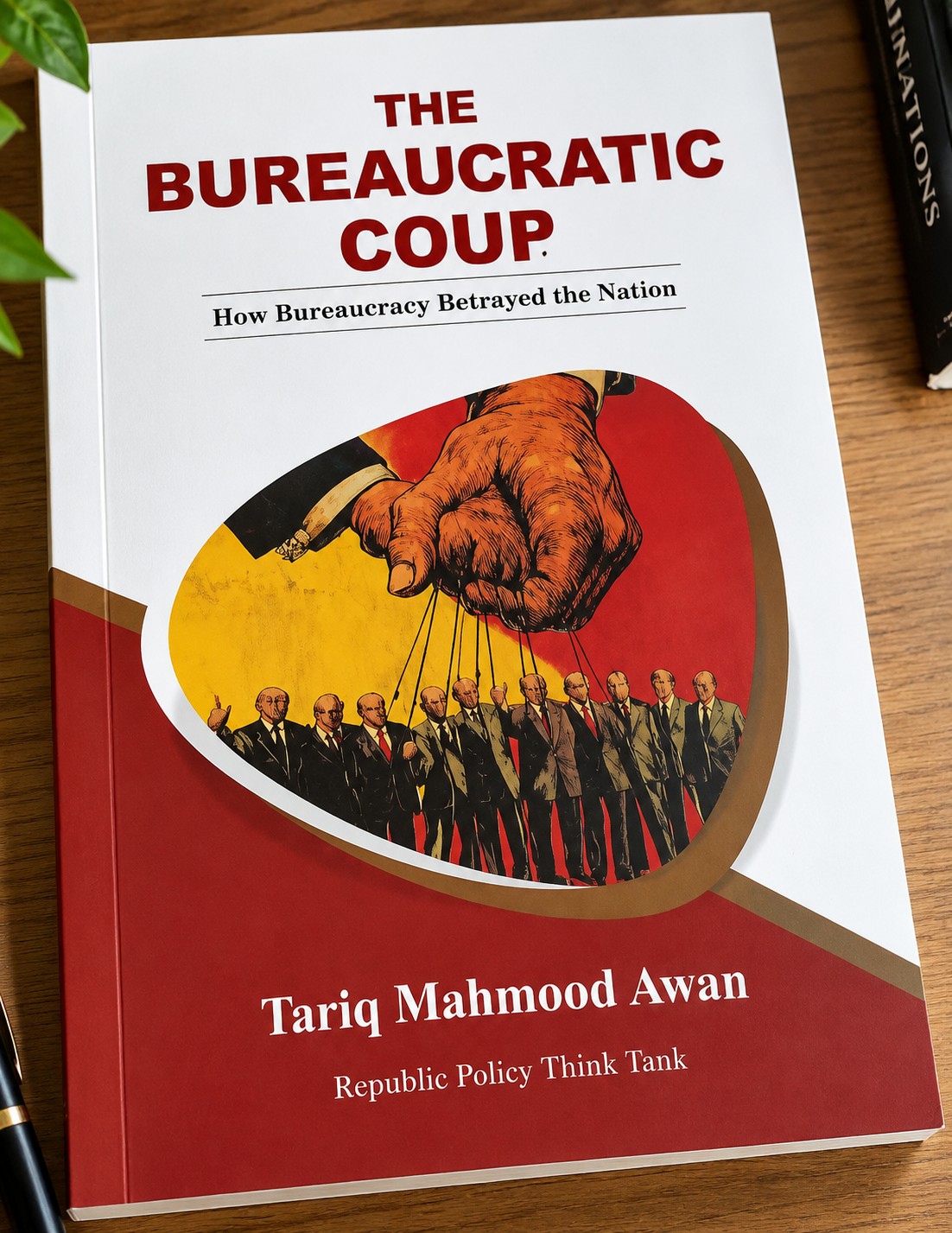
Republic Policy’s research identifies another consequence of this recurring instability: it creates institutional weaknesses that non-democratic forces can exploit, particularly within the bureaucracy.
When politicians remain absorbed in protests, confrontation and struggles over government formation, they have less opportunity to develop their own institutional capacity.
Political parties fail to strengthen their internal structures. Legislators do not develop a sustained culture of parliamentary engagement. The institutions of representative government remain vulnerable because the people responsible for operating them do not invest sufficiently in their development.
This is one of the central contradictions of Pakistan’s political system.
Politicians seek to determine the country’s political future, yet they repeatedly move the decisive contest away from parliament and onto the streets.
The parliamentary floor should be the principal forum for political disagreement, legislative debate and democratic accountability. Instead, political parties often treat it as secondary to public mobilisation and confrontation.
Parliament cannot become a strong institution if its own members do not consistently use it.
Political Parties Must Accept Responsibility
The responsibility for changing this culture rests primarily with Pakistan’s political leadership.
Politicians must recognise that political disagreement does not require the destruction of political continuity. An opposition party can challenge government decisions, question its mandate, criticise its policies and hold it accountable without making the disruption of its parliamentary term the central objective of its politics.
Likewise, a government must understand that political opposition is a legitimate part of democracy, not an inconvenience to be eliminated.
Both sides must develop a culture of tolerance, debate and acceptance.
They must also learn to recognise the legitimacy of democratic institutions even when those institutions are controlled by their political rivals.
This requires a change in political behaviour. Parties must participate seriously in parliamentary proceedings, develop their capacity for legislative debate and accept that democratic competition cannot be reduced to a struggle over who occupies the government benches.
The future of the country should not be decided through an endless contest of street mobilisation.
Rebuilding the Institution of Politics
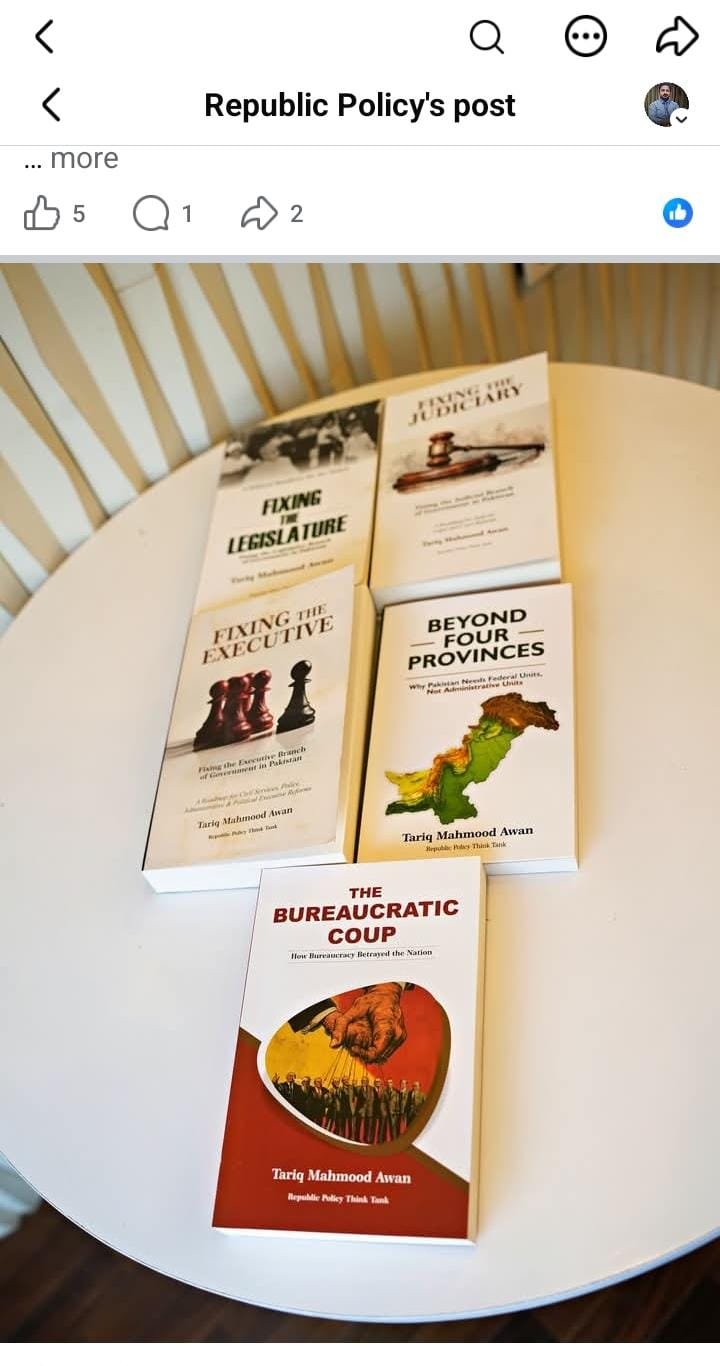
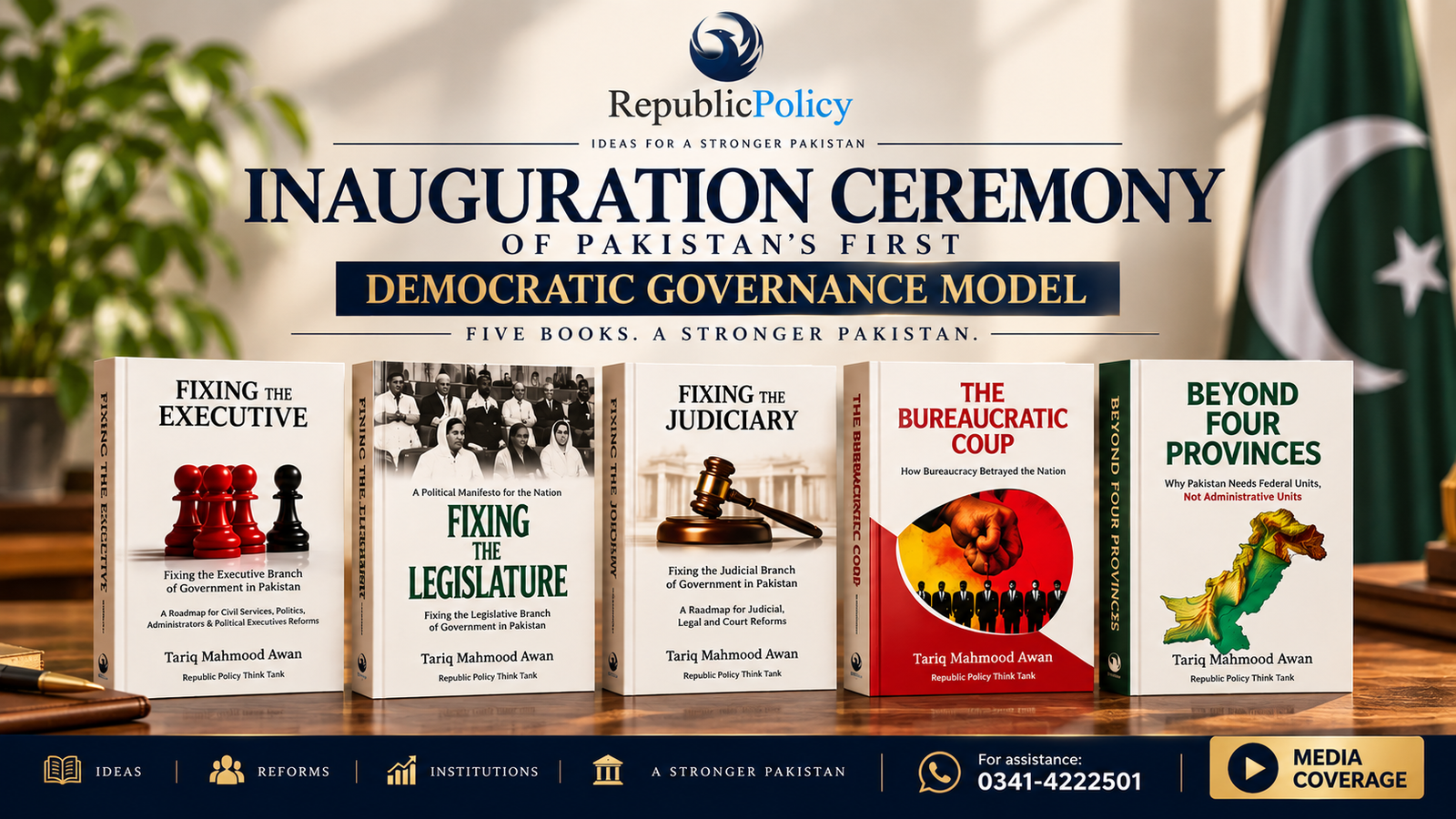
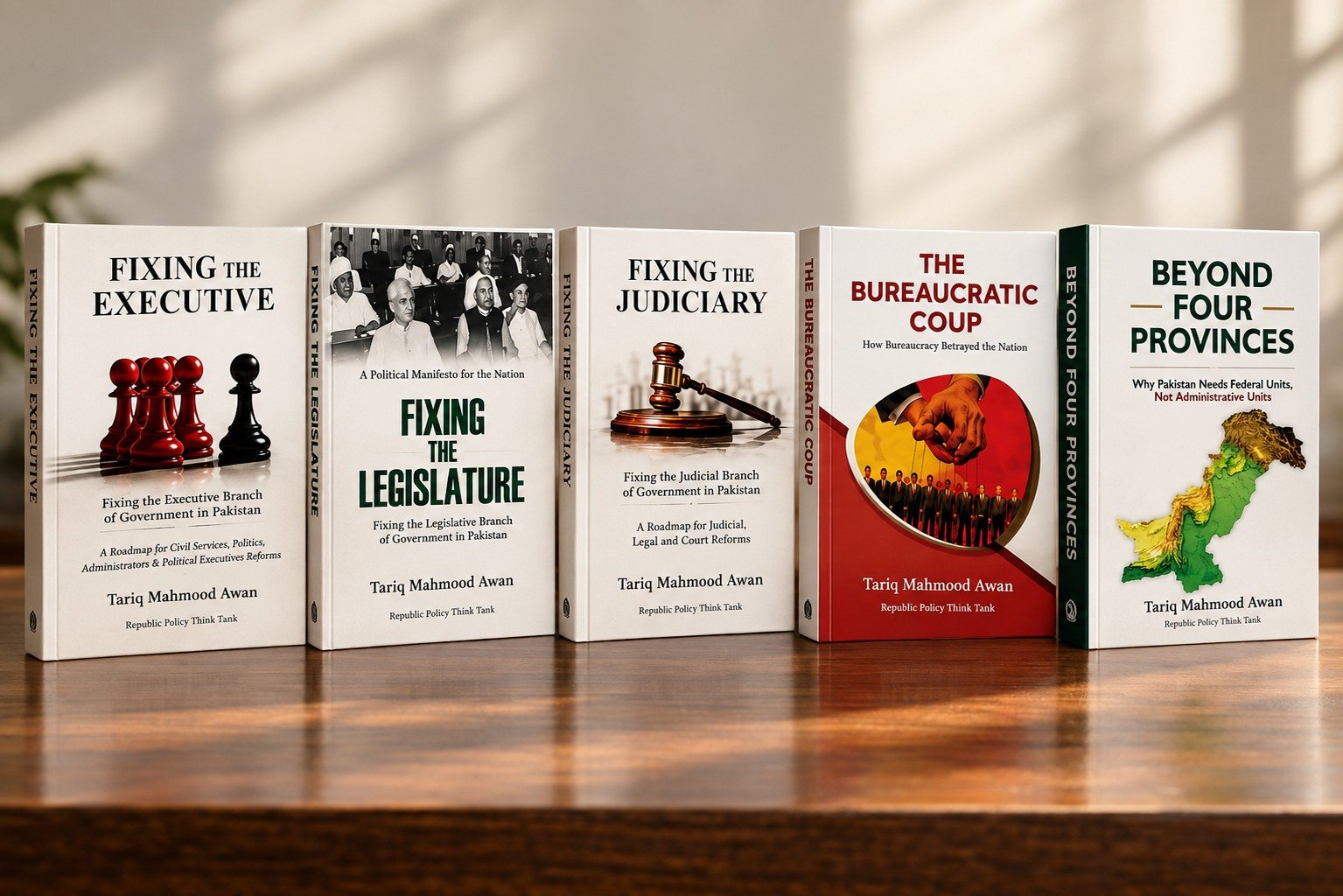
Republic Policy’s book Fixing the Legislature addresses precisely this institutional problem. It argues for rebuilding the institution of politics and transforming political parties into functioning democratic organisations.
Pakistan’s political parties cannot continue to operate primarily as dynastic structures while expecting the parliamentary system to become stable, productive and effective.
They must develop into institutions capable of sustaining political debate, legislative work and democratic continuity beyond the fortunes of individual leaders.
Political stability does not mean the absence of disagreement. It means developing the institutional capacity to manage disagreement without repeatedly placing the democratic system itself under strain.
Pakistan’s politicians must decide whether they want to continue determining the country’s political future through confrontation on the streets or build a parliamentary culture in which political differences can be addressed through debate, tolerance and institutional continuity.
The solution lies on the floor of parliament, not in the perpetual disruption of political life.