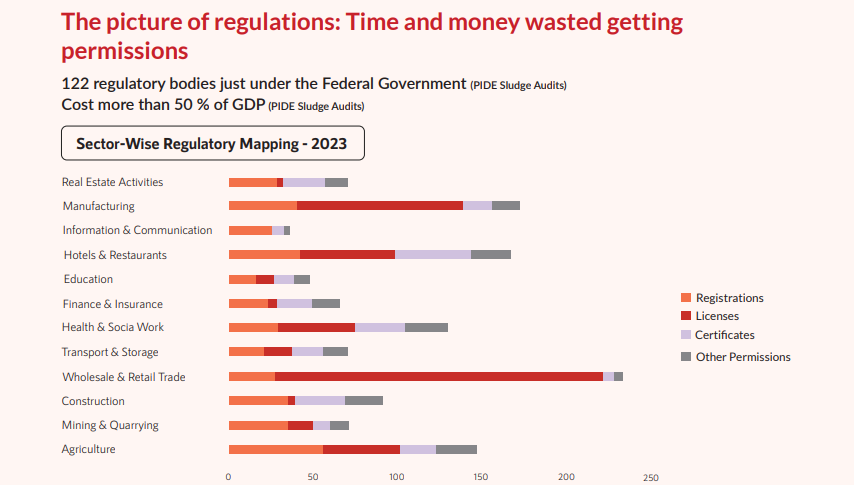

One of the central questions in civil service reform is not simply how bureaucracy should be reorganised, but what role it should perform in the economy. When the administrative system assumes an excessive gatekeeping function, regulation can gradually become an obstacle rather than an instrument of effective governance.
Productive economies depend on the ability of individuals, businesses and organisations to initiate ideas, conduct transactions and build enterprises without being trapped in unnecessary layers of administrative approval. When economic activity repeatedly encounters procedural barriers, excessive permissions and bureaucratic controls, the cost is greater than inconvenience. Such a system can restrict initiative and make it harder for productive organisations to emerge and grow.
The purpose of bureaucracy should therefore not be to control economic activity for its own sake. Regulation remains necessary, but its objective should be to establish clear rules, protect the public interest and facilitate legitimate economic transactions.
This requires a fundamental shift in administrative thinking: from gatekeeping to facilitation.
Civil service reform must consequently examine whether existing administrative structures enable productive activity or obstruct it. The objective should be a system in which public institutions provide predictable rules and efficient procedures while allowing individuals and organisations the space to innovate, invest and expand.
The fundamental question is straightforward: Should bureaucracy stand at the gate of economic activity, or should it create an environment in which productive organisations can flourish?
A modern administrative system should be judged not by how many permissions it controls, but by how effectively it enables legitimate economic activity while performing its regulatory responsibilities.