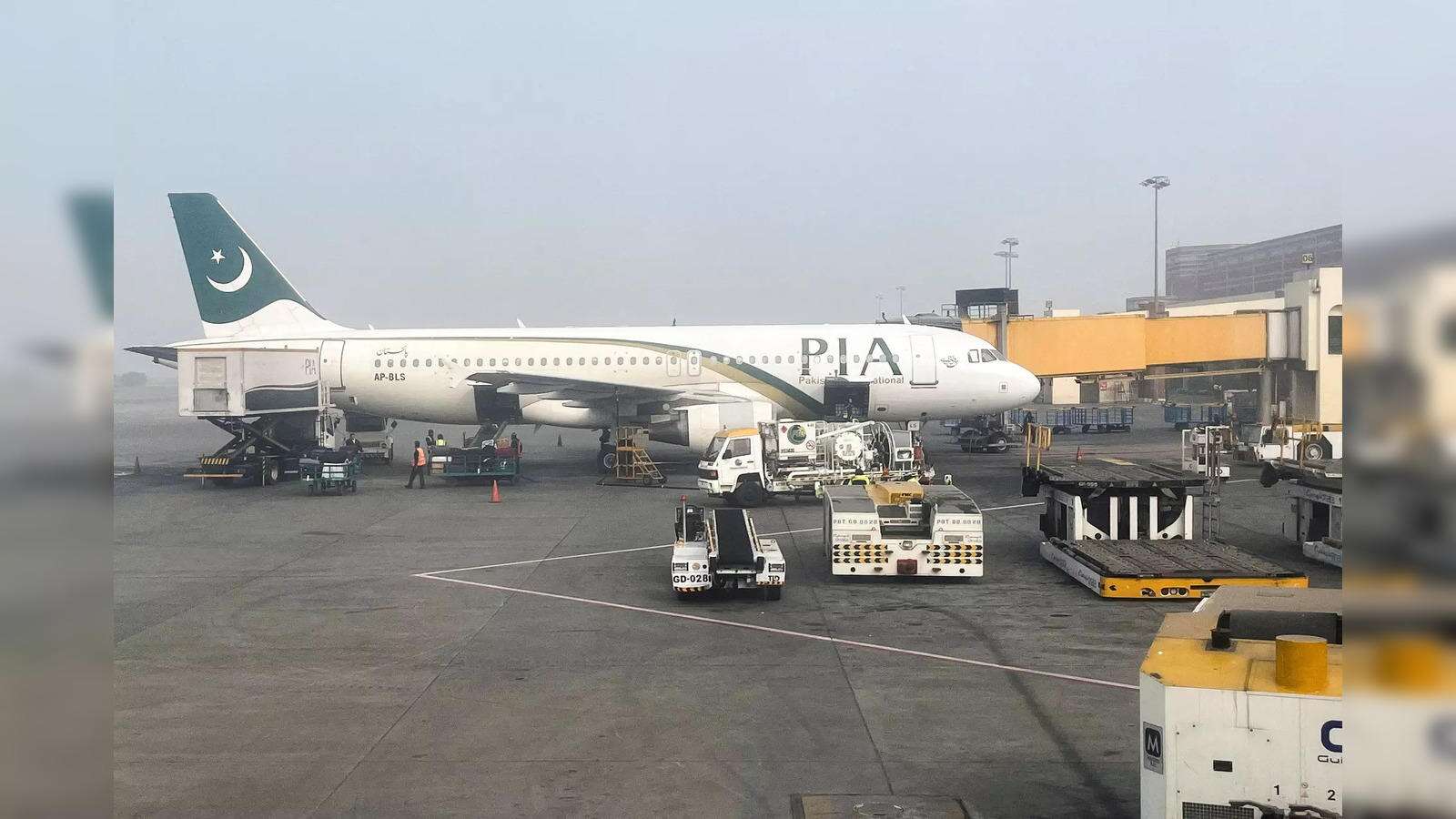

Pakistan International Airlines’ post-privatisation challenges highlight the importance of professional aviation expertise, asset valuation and operational recovery.
The concerns raised over the performance of Pakistan International Airlines (PIA) following its privatisation point to a fundamental challenge: acquiring an airline is not the same as knowing how to run one. Managing PIA: Why Stabilisation Must Come Before Expansion
The consortium that recently acquired PIA brings together diverse interests, but, according to the letter’s author, has limited exposure to professional aviation. The service deficiencies and operational weaknesses highlighted in an earlier letter were therefore not unexpected to those familiar with the airline business.
PIA’s most valuable assets extend well beyond its aircraft. Its international routes, traffic rights and airport slots represent significant commercial value. Yet the Privatisation Commission appears to have given insufficient consideration to these intangible assets when determining the acceptable floor price. Their valuation matters because they can shape an airline’s market access, revenue potential and competitive position.
The new owners have also benefited from government concessions, including a sovereign guarantee for a commercial loan. Despite this facilitation, however, the airline appears to remain caught in many of its previous difficulties. Financial support alone cannot substitute for operational expertise and a credible recovery strategy.
Grounded aircraft and lost revenue
The immediate challenge is to restore operational capacity. Every grounded aircraft represents substantial daily revenue losses, while aircraft operating with empty seats also impose a serious commercial cost. An airline cannot achieve financial stability if a sizeable portion of its fleet remains unavailable or its operating aircraft fail to generate sufficient passenger revenue.
The letter raises concerns about the absence of a credible, publicly visible plan to return grounded aircraft to service quickly. It also questions the apparent lack of emphasis on strengthening and upgrading the Engineering Department, whose capabilities are central to aircraft availability, maintenance standards and operational reliability.
Priorities for recovery
The criticism of initiatives such as changing cabin crew uniforms reflects a broader concern about misplaced priorities. Changes in appearance may have a place in an airline’s corporate identity, but they cannot address the structural problems affecting its operations.
Nor is the immediate acquisition of new aircraft necessarily a practical solution, particularly when delivery schedules are distant and costs are prohibitive. The priority should be to stabilise the existing operation, restore grounded aircraft wherever economically and technically feasible, strengthen engineering capacity and improve the utilisation of the available fleet.
PIA’s recovery therefore requires more than financial concessions or cosmetic changes. It demands professional aviation management, disciplined operational planning and a clear sequence of priorities. Stabilisation and consolidation must come first; expansion can follow when the airline has rebuilt the operational and financial foundations needed to sustain it.