
Republic Policy | International Economy and Energy | October 28, 2026
LONDON: Global oil prices declined on Tuesday as investors assessed renewed diplomatic efforts to reduce tensions in the Middle East, although continuing hostilities involving Iran, Saudi Arabia and Yemen’s Houthi movement kept crude prices close to their highest levels in several months.
Brent crude
$114.81
0.86%
per barrel
US WTI crude
$100.98
0.77%
per barrel
Reported futures prices at 13:11 GMT on Tuesday, October 27; not current live quotations.
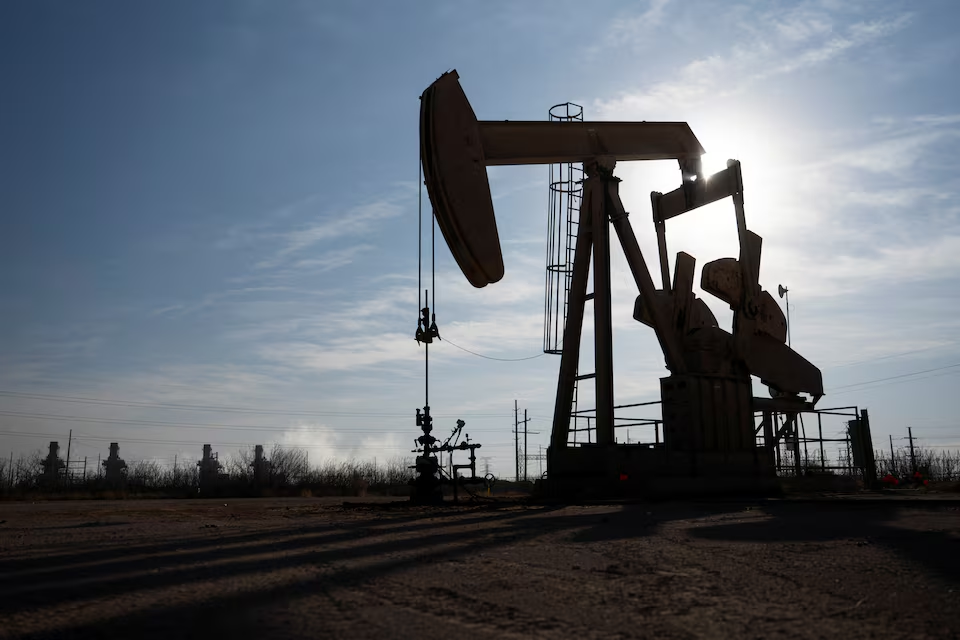
Brent crude futures fell by $1, or 0.86%, to $114.81 a barrel, while US West Texas Intermediate crude declined by 78 cents, or 0.77%, to $100.98.
The decline reflected cautious optimism surrounding diplomatic discussions involving Iran, Pakistan, Saudi Arabia and Türkiye. However, traders remained concerned about the possibility of further military escalation, particularly renewed US-Israeli strikes against Iran and attacks on energy infrastructure and commercial shipping.
Iran Holds Talks With Regional Partners
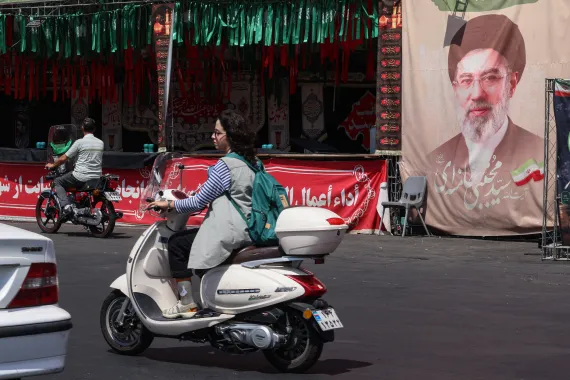
Iranian Security Council chief Mohsen Rezaei met Supreme Leader Ayatollah Mojtaba Khamenei on Tuesday, a day after discussions with representatives of Pakistan, Saudi Arabia and Türkiye.
According to Iranian state media, Khamenei emphasised the importance of safeguarding Iran’s national interests and maintaining its stated conditions for ending the war.
The four countries agreed to continue consultations aimed at strengthening cooperation on regional peace and security.
The diplomatic engagement has attracted attention in global energy markets because any credible reduction in hostilities could ease concerns about disruptions to oil production, transportation and international supply chains.
Pakistan’s participation in the discussions also highlights Islamabad’s involvement in regional diplomatic efforts at a time when instability in the Middle East carries significant economic consequences for energy-importing countries.
Nevertheless, the talks have not produced a comprehensive settlement, and continuing military activity has complicated prospects for de-escalation.
Houthi Attacks Raise Concerns Over Saudi Oil Infrastructure
Renewed attacks by Yemen’s Houthi movement have undermined optimism surrounding the diplomatic initiative.
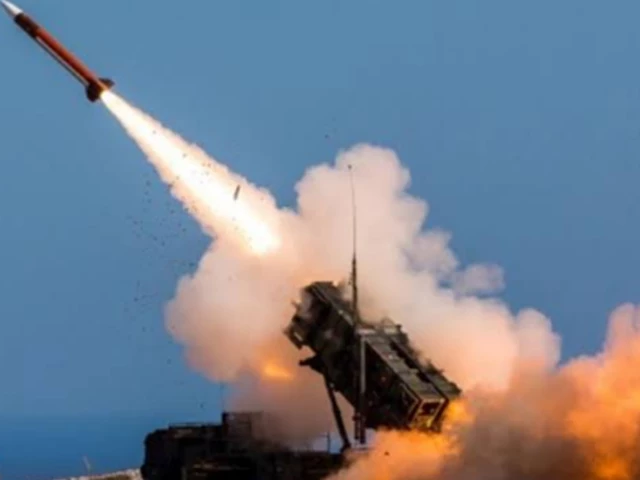
On Tuesday, the Houthis claimed to have targeted Saudi Arabia’s Ras Tanura oil refinery with a ballistic missile.
Ras Tanura is one of the kingdom’s most important oil-processing facilities, making any reported attack a significant concern for international energy markets.
The claim was reported amid continuing hostilities between the Houthis and Saudi Arabia. The supplied account did not independently establish the extent of any damage to the refinery.
Saudi Arabia remains a major global oil producer, and threats to its energy infrastructure can influence crude prices even before actual production losses are confirmed.
The combination of diplomatic negotiations and renewed attacks has therefore created considerable uncertainty for traders assessing the likelihood of supply disruptions.
Strait of Hormuz Shipping Risks Remain Elevated
Maritime security has emerged as another major concern.
According to data compiled by a Washington-based research organisation monitoring maritime incidents since 2017, October recorded the highest level of attacks on commercial shipping in the Strait of Hormuz and surrounding waterways during the period examined.
The Strait of Hormuz is a strategically important maritime passage connecting major Gulf oil producers with international markets.
Disruptions to commercial shipping through the strait can increase transportation costs, insurance premiums and uncertainty over energy deliveries.
Swiss bank UBS reported that shipping traffic through the waterway had increased, but attacks against vessels had also become more frequent.
The bank warned that maritime risks could intensify if US naval support in the region weakened.
Such developments illustrate why crude prices remain elevated despite renewed diplomatic activity. Investors continue to account for the possibility that regional hostilities could interrupt energy supplies.
UBS Raises Oil Price Forecast
UBS expects Brent crude prices to remain close to $110 a barrel through the end of 2026, citing geopolitical uncertainty and the possibility of further supply disruptions.
The revised forecast represents an increase from the bank’s previous year-end projection of $100 a barrel.
Brent crude exceeded $117 a barrel last week, reaching its highest level since April following reported Iranian attacks on tankers near the Strait of Hormuz.
Prices also touched $117 on Monday before declining during Tuesday’s trading session.
Bjarne Schieldrop, an analyst at SEB, suggested that crude prices currently include a substantial geopolitical risk premium associated with the possibility of further US-Israeli military action against Iran.
This premium reflects the additional amount investors may be willing to pay because of uncertainty surrounding future supply conditions.
Israeli Elections Add to Market Uncertainty
Investors were also monitoring Israel’s parliamentary elections on Tuesday for indications of the country’s future policy towards Iran.
Commerzbank analysts suggested that the election outcome could influence the direction of the conflict, particularly if Prime Minister Benjamin Netanyahu secured another term.
They raised the possibility that a renewed Netanyahu government could pursue more aggressive objectives towards Iran, including efforts aimed at political change in Tehran.
However, such assessments remain market scenarios rather than confirmed policy decisions.
The interaction between electoral developments, diplomatic negotiations and military operations continues to influence expectations across international energy markets.
Implications for Pakistan and the Global Economy
Persistently high oil prices create additional challenges for countries heavily dependent on imported energy.
For Pakistan, elevated international crude prices can increase the import bill, place pressure on foreign exchange resources and complicate efforts to control inflation.
Higher energy costs can also affect transportation, electricity generation, industrial production and household expenditure.
The latest decline in crude futures provides some relief, but prices remain high by recent historical standards.
The direction of the market will depend largely on whether regional negotiations produce a meaningful reduction in hostilities and whether threats to oil infrastructure and maritime transportation can be contained.
For now, diplomatic engagement has moderated immediate market concerns without eliminating the broader geopolitical risks sustaining elevated oil prices.
The best-selling books of Republic Policy Think Tank, including the landmark book The Bureaucratic Coup, are available at Vanguard Books, Liberty Books, Readings, Kitab Sarai, Sang-e-Meel, Saeed Book Bank Islamabad, National Book Foundation, and others across Pakistan. Contact for home delivery: 0341-4222501 (WhatsApp).