
Tariq Mahmood Awan : Translated from Urdu
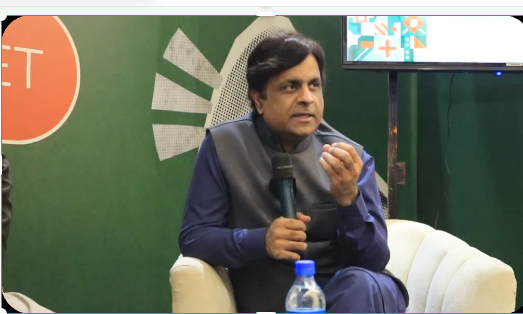
Through my participation in dozens of seminars, discussions and dialogues with young people and students organised by the Republic Policy Think Tank, I have encountered a deeply troubling reality about the aspirations, challenges and future of Pakistan’s youth.
I have been particularly disappointed to see how uncertain and pessimistic so many young people feel about their future. This is especially true of those between the ages of 20 and 25. Many have academic degrees but cannot find employment. They have neither jobs nor the financial resources to start businesses, and few effective pathways to turn their abilities and education into productive economic activity.
Our education system has awarded degrees to young people without adequately preparing them for the world beyond the classroom. It has failed to equip many graduates with the skills and opportunities needed to secure employment, establish businesses or contribute to productive sectors such as agriculture. As a result, a large section of the youth population remains economically inactive or underutilised despite having completed formal education, with little confidence about what lies ahead.
The fundamental problem is that opportunities for wealth creation in Pakistan are becoming increasingly limited. A substantial part of economic activity, both large and small, remains influenced by narrow elite interests. Meanwhile, remittances from overseas Pakistanis, which have approached $50 billion, provide support to domestic consumption and sustain certain commercial activities. But remittances cannot substitute for wealth creation, the establishment of new industries or the expansion of the country’s productive capacity. Pakistan needs fresh investment, entrepreneurship, industrial development and employment-generating opportunities across almost every sector of its economy.
These conversations with young people have also revealed another important reality: the priorities of the state and government are often disconnected from the concerns of the younger generation. Administrative arrangements, cleanliness drives, cosmetic improvements and the projection of an appearance of development may be presented as signs of government performance. But these are not the issues that matter most to young people.
Their foremost concerns are employment, economic security and the confidence that they can build a future through their own abilities. They are not demanding extraordinary privileges or special treatment. They want a fair opportunity to earn a respectable living, support their families and participate meaningfully in the economy.
Economic concerns, however, are not their only worries. Young people are also concerned about their fundamental liberties, freedom of expression and civil rights. They want both economic opportunity and the freedom to live as responsible citizens. How can a state expect its younger generation to remain hopeful when jobs are scarce, avenues for economic advancement are restricted and basic civil liberties remain uncertain?
The state must now take a serious look at its priorities. Its role cannot be confined to managing administrative arrangements or creating the appearance of progress. Pakistan needs an economic and governance model that generates wealth, encourages productive activity, expands opportunities for private enterprise, modernises agriculture and industry, attracts investment and creates employment on a much larger scale.
This requires a shift in the way economic development is understood and pursued. Growth cannot be sustained merely through consumption, government spending or the circulation of existing wealth. The country must create conditions in which individuals and businesses can invest, innovate, produce goods and services, and generate new economic value. Young people must be able to enter this process not merely as job seekers but also as entrepreneurs, skilled workers, professionals and producers.
The responsibility rests with both the state and society. Young people should not be handed degrees and then left to confront unemployment on their own. They need an education system connected to the demands of the economy, access to practical skills, opportunities to establish businesses and a fair chance to secure dignified employment.
Pakistan’s future depends, to a considerable extent, on whether it can turn its young population into an economically productive and confident generation. That will not happen through administrative activity or cosmetic displays of development. It will require an economy that creates opportunities, a governance system that enables enterprise and a state that protects the freedoms and rights of its citizens.
Tariq Mahmood Awan : Translated from Urdu