
The US president says renewed strikes are highly unlikely while keeping military options open. Falling oil prices, regional security concerns and Republican electoral setbacks are increasing pressure on Washington to find a diplomatic exit from the conflict.
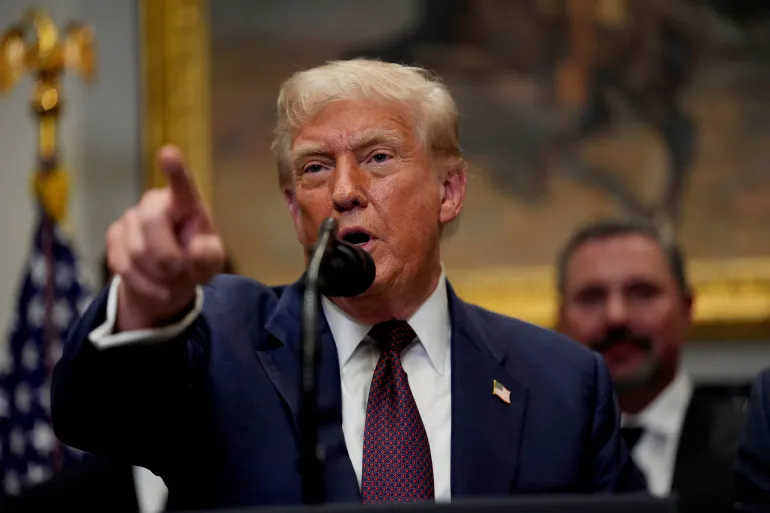
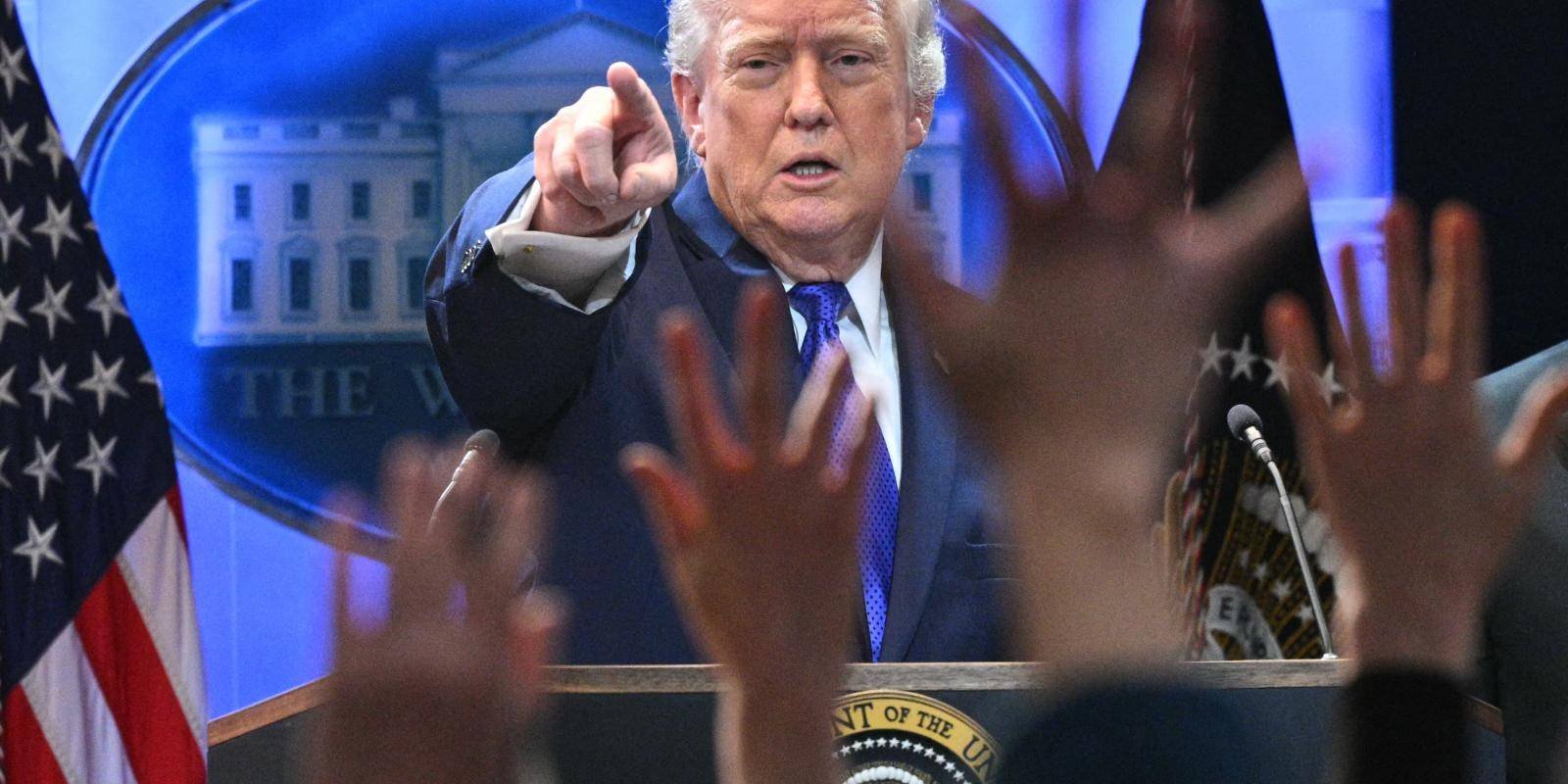
US President Donald Trump has signalled that Washington is unlikely to launch further attacks on Iran, describing the possibility of renewed military action as “highly unlikely” and claiming that Iran’s military capabilities have been effectively destroyed. His remarks suggest a shift towards de-escalation after months of conflict, although the United States has stopped short of declaring an end to the war and continues to maintain military pressure on Tehran.
Speaking to reporters at the White House on Monday, Trump said negotiations were gaining positive momentum and indicated that the current situation would largely be maintained at the request of countries neighbouring Iran. He nevertheless warned that American forces remained prepared to act if circumstances changed.
“We’re just keeping it the status quo,” Trump said, adding that the United States remained “locked and loaded”. The combination of diplomatic optimism and military warning reflects the uncertainty surrounding Washington’s next move: the administration appears interested in preventing another escalation but is unwilling to surrender the leverage it believes military pressure provides.
Trump’s comments came amid renewed diplomatic engagement involving Qatar and growing political pressure at home following bruising midterm election results for the Republican Party. The war has become a domestic political liability, while its consequences for regional security, energy markets and international trade continue to complicate the administration’s position.
The immediate question is whether Washington’s changing rhetoric represents the beginning of a sustainable diplomatic settlement or simply a pause in military operations.
A military advantage is not the same as a political settlement
Trump’s assertion that Iran is militarily “effectively over” is a strong political claim, but military damage and political resolution are two different matters. Even if American and Israeli strikes have significantly weakened Iran’s military capabilities, that does not automatically eliminate the country’s ability to influence regional security or sustain a prolonged confrontation.
The distinction is central to understanding the limits of military intervention. A state may lose important military assets and still retain political influence, strategic leverage and the capacity to impose costs on its adversaries. The continuation of tensions around the Strait of Hormuz, the security concerns of Gulf states and the uncertainty surrounding shipping routes demonstrate why a military assessment cannot, by itself, establish that a conflict has been resolved.
Trump has previously described the war as militarily over. His latest remarks, however, come under different political circumstances. The administration is now confronting the domestic consequences of the conflict, including electoral setbacks and criticism from within Republican ranks. A decision to avoid further attacks may therefore reflect not only an assessment of military conditions but also a calculation about the political and economic costs of continuing the war.
The administration’s challenge is to translate military pressure into a political outcome. Without an agreement addressing the underlying disputes, a reduction in attacks may provide temporary relief without creating lasting stability.
Qatar emerges as an important diplomatic channel
Qatar is playing a significant role in efforts to bring Washington and Tehran towards an agreement. Trump hosted Qatari Prime Minister Sheikh Mohammed bin Abdul Rahman Al Thani in the Oval Office on Monday, describing their conversation about ending the conflict as excellent.
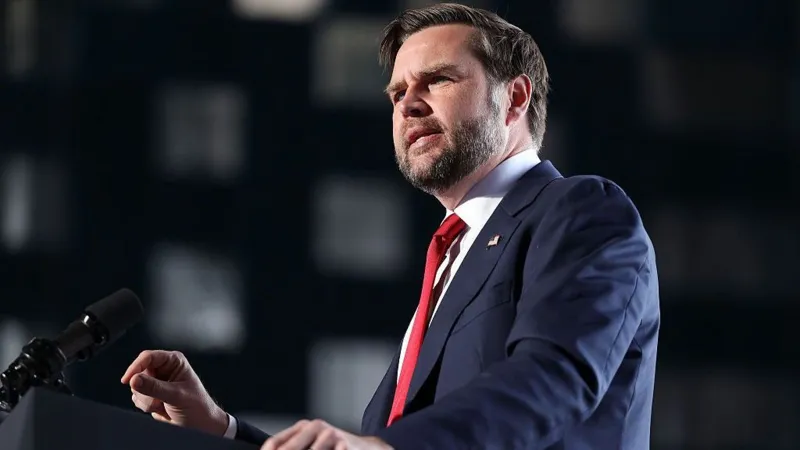
In a statement on X, the Qatari leader said he had held positive discussions with Trump and US Vice-President JD Vance about reaching an agreement and restoring peace to the region.
The diplomatic engagement is particularly important because efforts to negotiate an end to the conflict have largely taken place indirectly through mediators since the war began following joint US-Israeli strikes in February. Qatar’s involvement provides a channel through which messages can be exchanged even when direct negotiations between the principal parties remain difficult.
Mediation, however, should not be confused with an agreement. A positive conversation between leaders does not establish that Washington and Tehran have resolved their differences, nor does it guarantee that the parties will accept the same terms for ending hostilities.
Iranian officials have repeatedly expressed doubts about Trump’s previous statements concerning the prospects for peace. That scepticism reflects a wider problem in negotiations conducted alongside military threats: diplomatic assurances can lose credibility when the possibility of renewed attacks remains openly on the table.
For negotiations to produce a durable outcome, both sides will need clarity about the conditions for ending military operations, the security arrangements that follow and the commitments expected from regional actors. Qatar and other mediators may help establish communication, but the final political decisions remain with Washington and Tehran.
Gulf security remains central to Washington’s calculations
Trump has also explained his reluctance to formally declare the war over by referring to the security of American allies in the Gulf. He said the United States had important regional partners whose safety needed to be protected and suggested that the American naval blockade of Iranian ports was contributing to regional security.
Saudi Arabia, Qatar and the United Arab Emirates have all faced Iranian strikes during the conflict. The threat of further attacks has also disrupted air travel and heightened uncertainty across the region.
This creates a difficult strategic calculation for Washington. An end to direct American attacks might reduce the immediate risk of escalation, but Gulf governments will remain concerned about their exposure to Iranian military pressure. Their security concerns are not necessarily identical, and each country must consider the implications of any settlement for its own territory, infrastructure and economic interests.
The United States must therefore balance two objectives: avoiding another costly phase of military confrontation while maintaining the confidence of regional partners. A withdrawal from escalation without credible security arrangements could leave allies uncertain about American commitments. Continued military pressure, on the other hand, could prolong the conflict and increase the risk of further retaliation.
A sustainable diplomatic arrangement would need to address the security concerns of Gulf states rather than treating the conflict exclusively as a bilateral dispute between Washington and Tehran.
Oil markets respond to the prospect of de-escalation
The economic consequences of the conflict are also influencing the political environment. Global oil prices have fallen sharply since the Republican midterm setbacks and declined further after Trump’s latest comments.
On Tuesday afternoon in Asia, Brent crude was trading more than one per cent lower at approximately $91.50 a barrel, while US-traded crude had fallen by around 1.2 per cent to $85.82.
The market response reflects the importance of expectations in energy pricing. When investors anticipate a reduction in military confrontation and fewer disruptions to regional energy supplies, the perceived risk of a prolonged crisis can decline. Conversely, renewed attacks, threats to shipping or an escalation involving Gulf states could quickly reverse that sentiment.
The Strait of Hormuz is particularly important to this calculation. Any prolonged disruption to shipping through the waterway would have consequences extending well beyond the immediate region. Energy-importing economies, international transport networks and industries dependent on stable fuel supplies would all face additional uncertainty.
The decline in oil prices following Trump’s remarks should not be interpreted as evidence that the crisis has been resolved. It indicates that markets are responding to the possibility of de-escalation. The distinction matters because financial markets can adjust their expectations rapidly, while diplomatic and security arrangements take much longer to establish.
For governments already facing inflationary pressures and economic uncertainty, a prolonged conflict involving a major energy corridor would represent a serious additional burden.
Midterm setbacks change the political calculation
Trump’s softer language on Iran has emerged alongside a difficult electoral moment for Republicans. The recent midterm results have intensified criticism of the administration’s handling of the war, with senior Republican figures, including Vice-President JD Vance, attributing part of the party’s electoral difficulties to the conflict.
The political consequences are becoming visible within Congress. Republican Congressman Thomas Massie has launched an effort to impeach Defence Secretary Pete Hegseth, announcing plans to force a vote in the House of Representatives this week.
Massie’s move is unlikely to succeed while Republicans retain control of Congress until January. However, Democrats have indicated that they would be willing to pursue impeachment once the new congressional session begins and they control both the House and the Senate.
Hegseth has dismissed the threat, saying he is not worried about the impeachment effort. Trump has also defended his defence secretary, describing Massie’s initiative as a sham.
The dispute illustrates how a foreign military operation can become a domestic institutional issue. Decisions about war are not confined to the executive branch’s assessment of military objectives. They also generate questions about political accountability, congressional oversight, the use of national resources and the authority of elected institutions to scrutinise the administration.
The midterm results have increased the political cost of continuing the conflict. Even if an impeachment effort fails, congressional criticism can place pressure on the administration and make it harder to sustain a policy that is already unpopular among sections of the electorate.
The changing political balance may also affect how the White House approaches negotiations. A president facing greater scrutiny at home has stronger incentives to demonstrate that military objectives have been achieved and that a diplomatic outcome is within reach.
The problem of ending a war without resolving its causes
Trump’s latest statements offer a possible opening for de-escalation, but they leave several important questions unanswered. What would constitute an end to the conflict? Would the naval blockade remain in place? What assurances would be required from Iran? How would the security concerns of Gulf countries be addressed? And what arrangements would prevent the resumption of military operations?
These questions cannot be answered through declarations that one side has already won militarily. A durable settlement requires an understanding of the political and security conditions that produced the confrontation in the first place.
There is also a broader institutional lesson. Military action can alter the balance of power, but it cannot independently establish a stable regional order. That requires diplomacy, credible commitments, communication channels and arrangements that recognise the security interests of the countries involved.
The United States must decide whether its objective is simply to prevent further Iranian military activity or to establish a political framework capable of reducing the likelihood of another conflict. These are not necessarily the same objective. A temporary pause may satisfy the first while leaving the second unresolved.
Iran, for its part, must determine whether diplomatic engagement offers a more sustainable path than continued confrontation. Gulf states also have a direct interest in ensuring that any agreement reduces the threat to their territories, infrastructure and economic activity.
A diplomatic opening, not yet a peace agreement
Trump’s description of further American attacks as highly unlikely is significant because it signals a preference for restraint at a moment when military escalation remains possible. Qatar’s diplomatic engagement, falling oil prices and growing political pressure in Washington have created conditions that may encourage negotiations.
Yet the administration’s continued military warnings, the naval blockade and Iranian doubts about American intentions demonstrate that the conflict remains unresolved.
The immediate priority should be to prevent a return to large-scale hostilities and create conditions in which negotiations can proceed without the constant threat of renewed attacks. Any settlement will also need to account for the security of Gulf states and the stability of international energy and shipping routes.
The real test of Trump’s approach will not be whether he can announce that Iran has been defeated or that further attacks are unlikely. It will be whether the United States can convert military pressure into a credible diplomatic settlement that reduces the danger of another regional war.
For now, Washington appears to be signalling restraint while preserving its options. That may create an opportunity for peace, but it is not peace itself.