
Tehran signals greater flexibility on nuclear negotiations as Washington reviews an Iranian proposal, while regional diplomatic efforts seek to prevent a renewed military escalation and restore stability in the Gulf.
The United States and Iran appear to be moving closer to a possible diplomatic breakthrough aimed at ending their war, with Tehran showing a willingness to discuss aspects of its nuclear programme that had previously remained outside the scope of negotiations. Qatar has emerged as a central intermediary, carrying proposals between the two sides as regional governments intensify efforts to prevent further escalation.
According to a diplomat familiar with the negotiations, cited by Bloomberg on Friday, Iran is considering proposals concerning its nuclear activities presented by Qatar, the principal mediator in the latest diplomatic initiative. The development suggests a possible shift in Tehran’s negotiating position at a time when Washington is pressing for nuclear issues to form part of any preliminary agreement.
The diplomatic activity gained momentum after Qatari Emir Sheikh Tamim bin Hamad Al-Thani held a telephone conversation with US President Donald Trump on Friday. Their discussion focused on efforts to reduce regional tensions and advance Qatar’s mediation initiative towards a comprehensive agreement that could end the crisis and restore security and stability in the region.
A statement issued in Doha said Sheikh Tamim emphasised the importance of maintaining dialogue and pursuing diplomatic solutions. Qatar’s involvement reflects its continuing role as a communication channel between Washington and Tehran, particularly when direct negotiations remain difficult.
The emerging diplomatic opening, however, does not yet amount to an agreement. Significant differences remain over the nuclear programme, economic sanctions, frozen Iranian assets and compensation for wartime damage.
Iran’s proposal and competing conditions
An Iranian official told Reuters on Thursday that Tehran had submitted a proposal concerning its nuclear programme to the United States through Qatar. The official indicated that discussions on the proposal would not begin until Washington addressed seven Iranian demands. He added that the United States was currently reviewing the document.
Among Iran’s principal conditions are the lifting of American sanctions, the release of frozen Iranian assets and compensation for damage caused by the war. Washington, meanwhile, maintains that nuclear-related issues must be included in any preliminary negotiations.
These competing demands expose the central difficulty facing the mediators. Iran wants economic relief and recognition of the costs it has incurred during the conflict, while the United States is seeking commitments that address its concerns over Tehran’s nuclear activities. Whether the two sides can reconcile these positions will determine whether the current diplomatic momentum produces a meaningful agreement or remains another temporary opening.
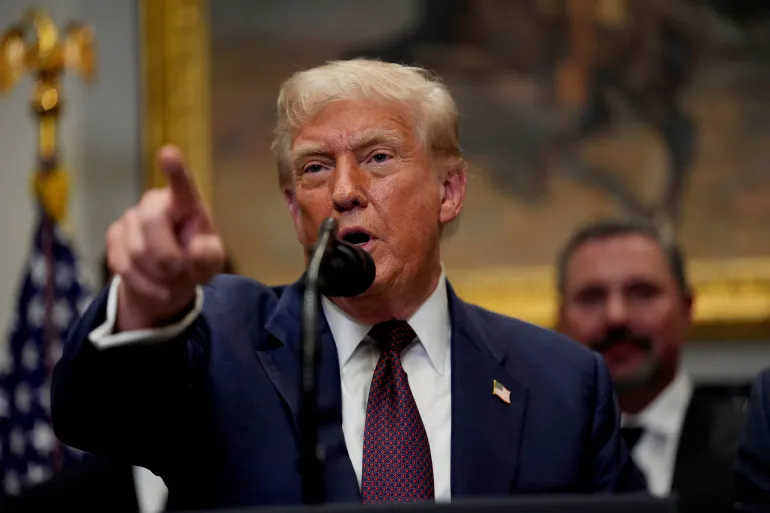
President Trump offered an optimistic assessment on Friday, saying his administration was speaking with representatives from Tehran and that the discussions were progressing well. His remarks suggest that communication channels remain active despite the military confrontation and the sharp differences between the two governments.
Regional diplomacy gathers momentum
The diplomatic initiative is not limited to Qatar. Iran’s Foreign Minister Abbas Araghchi has also been in contact with several regional counterparts as Tehran seeks to explain its position and explore ways to reduce tensions.
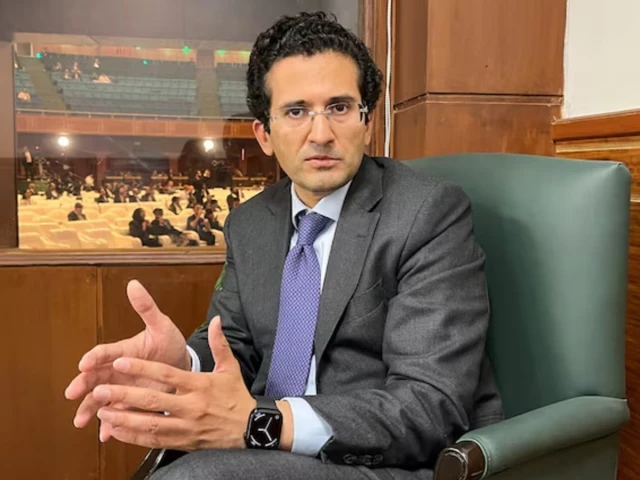
On Thursday, Egyptian Foreign Minister Badr Abdelatty discussed the crisis with Araghchi. According to a spokesperson for Egypt’s Foreign Ministry, Abdelatty emphasised the need to prioritise diplomatic solutions and urged all parties to demonstrate flexibility and a willingness to compromise. He warned against further escalation and called for a political settlement.
On Friday, Araghchi held telephone conversations with his Iraqi and Tunisian counterparts, briefing them on diplomatic developments aimed at easing regional tensions. Earlier in the week, he had also spoken with Turkish and Gulf leaders about the wider regional situation and the importance of safeguarding freedom of maritime navigation.
These contacts underline the growing concern among regional governments that the conflict could expand further, threatening trade, energy supplies and the security of countries across the Middle East. For governments dependent on Gulf shipping routes, the restoration of maritime stability is an immediate economic and strategic priority.
Strait of Hormuz remains a critical flashpoint
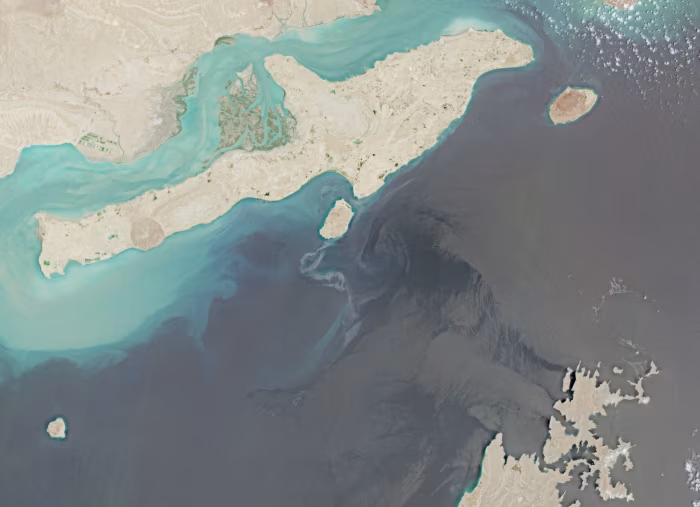
The conflict has increasingly centred on the Strait of Hormuz, one of the world’s most strategically important maritime routes. The waterway is essential for the movement of energy exports from the Gulf, making any disruption a direct concern for international oil markets, shipping companies and energy-importing economies.
Following the US and Israeli military campaign launched in February, Iran retaliated with missile and drone attacks against Arab countries. Tehran also attempted to block the Strait of Hormuz, raising concerns about the security of commercial vessels and the uninterrupted movement of energy supplies.
The confrontation has since become increasingly focused on vessels navigating the waterway. This has transformed the maritime corridor into a major arena of strategic pressure, with the potential consequences extending well beyond the immediate parties to the conflict.
President Trump has warned that he could consider another round of airstrikes against Iran, similar to the attacks carried out during the earlier stages of the war. The possibility of renewed military action has added urgency to diplomatic efforts, particularly as regional governments seek to prevent the conflict from entering another destructive phase.
A diplomatic opening, not yet a settlement
The latest developments indicate that neither Washington nor Tehran has entirely abandoned the possibility of a negotiated outcome. Iran’s apparent willingness to consider discussions on nuclear-related matters, the submission of a proposal through Qatar and the continuing exchanges between regional leaders have created an opportunity for diplomacy.
However, the gap between the two sides remains substantial. Iran is seeking sanctions relief, access to frozen assets and compensation, while Washington insists that nuclear questions cannot be separated from preliminary negotiations. The military situation, meanwhile, continues to place pressure on both governments and their regional partners.
Qatar’s mediation may provide a practical route for narrowing these differences, but the success of the initiative will depend on whether both sides are prepared to make reciprocal concessions. A durable settlement would need to address not only the immediate military confrontation but also the underlying security concerns, the nuclear dispute and the future of maritime navigation in the Gulf.
For the international community, the stakes are considerable. Any renewed escalation could threaten regional stability, disrupt global energy markets and deepen an already serious humanitarian and economic crisis. A diplomatic breakthrough, by contrast, could open the way towards de-escalation and a more stable regional order.
For now, the negotiations offer a possibility rather than a guarantee. The coming diplomatic exchanges will determine whether the latest opening becomes a genuine path to ending the war or another pause before further confrontation.
Republic Policy | Governance. Institutions. Public Policy.