
Editorial
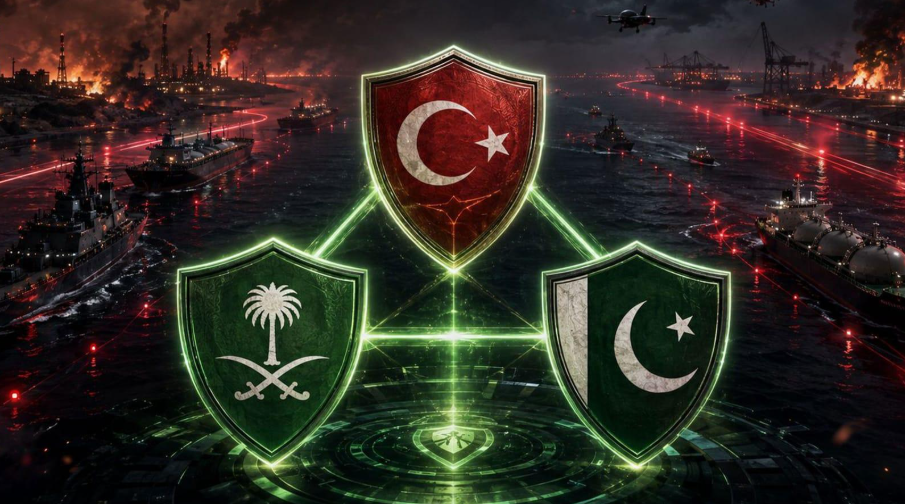
As Syria signals interest in joining the Mecca Defence Pact – the collective-security agreement linking Pakistan, Türkiye and Saudi Arabia – analysts warn it could reshape regional security. Membership would extend the “attack one, count as attack on all” clause to Israeli strikes on Syria, potentially drawing powerful, nuclear-armed allies into the conflict. But experts note Israel may strike regardless, meaning the real test is how much the new pact changes diplomatic and military responses, not whether it deters an attack.
In late 2026, Syrian Foreign Minister Asaad al-Shaibani said Damascus is weighing entry into the “Mecca Defence Alliance” – the NATO-style pact signed by Saudi Arabia, Türkiye and Pakistan in August 2026. Under this pact, an armed attack against any member is regarded as an attack on all (much like NATO’s Article 5). If Syria joined, its territory would fall under the same collective-security guarantee. That marks a major shift: Syria lies at Israel’s doorstep. An Israeli airstrike on Syria would then trigger a duty of “immediate assistance” from Pakistan, Türkiye and Saudi Arabia under the pact’s Article 2. But what would that really mean?
What the pact actually requires. The Mecca Pact (formally the Mecca Joint Defence Agreement) clearly says an attack on one is an attack on all. In practice, that obliges members to cooperate in “self-defence” if one is struck. Crucially, though, the agreement leaves the scope and nature of assistance up to each country, based on an “objective assessment of the assistance required” and their own resources. In other words, members must respond, but they decide how – ranging from providing intelligence and weapons to deploying troops. The pact also binds members to joint exercises, intelligence sharing and defence cooperation.
So membership does not automatically mean an all-out war for every country. Article 2 makes clear they will co-operate in “self-defence in accordance with the right of individual and collective self-defence” under the UN Charter. That implies any response must meet the criteria of self-defence – a key constraint. Yet the political pressure would be enormous. If Israel struck Syria, members would be expected to consult and take action. Even if they stop short of full-scale war, the alliance’s credibility would hinge on some meaningful support for Syria.
If Syria does not join. Absent Syria’s membership, the Mecca Pact’s guarantees simply don’t apply. Israel’s airstrikes on Syria (already numbering over a thousand hits in recent years, according to UN monitors) remain conflicts between Israel and Syria alone, at least legally. Pakistan, Türkiye and Saudi Arabia can still protest or help Syria privately, but they have no pact obligation to do more. Syria remains diplomatically isolated from them in this context. In practice, that means any Israeli attack on Syria would likely be met by Syrian retaliation (or calls for UN action) without the backing of a collective alliance. Damascus might still ask members for support, but there is no automatic treaty requirement.
If Syria does join. Under the Mecca Pact’s language, an Israeli strike on Syria would be considered an attack on the pact itself. That could open the door to collective response. Turkey and Pakistan have already pledged defense of Saudi Arabia against Houthi attacks under this pact, so there is precedent for actual military support. If Syria were hit, members might at least be obliged to provide weapons, money or intelligence to help Syria repel the attack. In the most extreme scenario, Article 2 seems to commit them to help “using the means of mutual assistance available” – which could include military forces. But in practice, there are political limits:
- Pakistan is a nuclear-armed state (as is Israel). If Pakistan were drawn into a direct clash with Israel, the risks would be extraordinary. Islamabad is publicly committed to the pact, but military involvement against Israel would cross a major red line for most Pakistani leaders, given the potential for nuclear escalation. Pakistan might contribute by enforcing no-fly zones, offering bases, or providing air defenses. Even sending fighter jets or troops would be extremely provocative. Many Pakistani analysts doubt Islamabad would actually fight Israel to defend Syria, though it might increase deterrence posture or offer indirect aid.
- Saudi Arabia does not yet have full diplomatic relations with Israel (it has not joined the Abraham Accords). If Syria joins the alliance, Saudi Arabia would nominally be allied with Syria and at least conceptually have to consider an attack on Syria as an attack on itself. But Saudi policymakers have long seen Syria’s security as outside their core interests, and Riyadh still aspires to eventual peace with Israel. Saudi support would likely be measured: diplomatic backing, Arab League initiatives, or helping to coordinate Turkey’s response. Direct military engagement against Israel would be a big departure. Membership would, however, give Saudi leaders a foreign-policy lever: it would legitimate Syria’s security as a shared concern and potentially strengthen Riyadh’s hand in any future normalization talks, by showing that it stands by allies when their sovereignty is breached.
- Türkiye has already had military clashes with Israel (for example shooting down a fighter jet in 2015) and is more directly hostile since the new government. Ankara might be the most willing to pressure Israel if Syria is attacked. Turkish jets or drones could potentially engage Hezbollah in Lebanon or Syrian air defenses – but even Turkey is now reluctant to enter into direct war with Israel over Syria, especially while cooperating with Israel on other fronts. Still, Turkey has the capability to push back heavily if it chose.
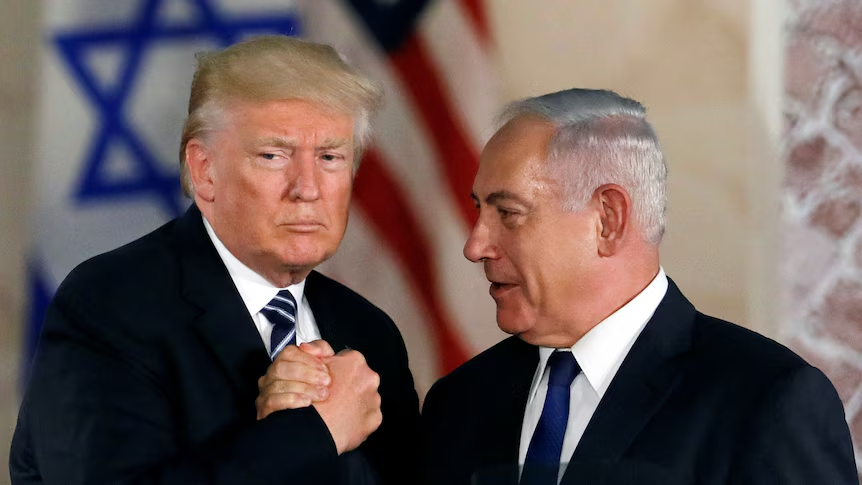
Even with Syria as a member, however, Israel is likely to calculate its security priorities first. Leading realist scholar John Mearsheimer has argued (in an exchange reported to have taken place at a security dialogue) that Israel would attack Syrian targets regardless of Syria’s membership in an alliance. In that view, Damascus joining the pact would not fundamentally deter Israeli strikes, because Israel acts on its perceived national interest and threats. In other words, the strategic calculus for Israel might not change: it would still want to prevent hostile forces (including Iranian-backed militias or advanced air defenses) near its border. If Israel believes an attack is necessary, it might proceed anyway, trusting that Turkey and Pakistan (facing no nuclear exchange risk) would moderate their response.
This analysis suggests the main effect of Syria joining would be what happens after an Israeli strike, rather than whether the strike happens. Syria as a member could make the costs of an attack higher for Israel – if the pact members choose to act – and could give Damascus new tools (allied support, joint defense planning) to deter future attacks. It might also deter smaller players (for example Iran or militias) from indirectly triggering conflict, since they would risk wider backlash. But it also raises the stakes: Syria becomes a sort of proxy battlefield, and a misstep by any side could draw in all.
If Syria is not admitted, the alliance remains unaffected by the Levant crisis. Syria will still be vulnerable on its southwestern front, but alliance members keep their ties purely strategic or bilateral with Damascus. Saudi Arabia can still back the new Syrian government’s reintegration in the Arab fold (as it has begun doing), and Türkiye and Pakistan can keep helping Syria rebuild, without formal military commitments. Israel would face a broken state but without a formal axis to immediately intervene on Syria’s behalf. The danger of war spreading to Saudi or Pakistan would be lower in this case.
Finally, one must consider regional politics. Syria joining could indeed make the Mecca Pact seem like a direct counterweight to Israel’s influence – perhaps even an “anti-Israel front” as some analysts have warned. That might alarm Western and Israeli policymakers, and could even push Israel to speed up rapprochement efforts with other Arab states (to undercut the pact) or to pressure the alliance’s members diplomatically (for example, by withholding normalization with the Saudis). Conversely, if the pact remains a trilateral without Syria, it retains a narrower scope focused on Gulf security (especially the Yemen conflict) and balancing Iran – a somewhat less provocative posture.
Conclusion. Syria’s possible accession to the Mecca defence pact would be a landmark shift. In theory it extends collective defence to Israel’s northern neighbor, raising the potential cost to Israel of striking Syria. In practice, whether Saudi Arabia, Türkiye or Pakistan would go to war over Syria is an open question – any military response would have to survive political constraints and the risk of nuclear escalation. Experts like Prof. Mearsheimer caution that Israel’s behavior will be driven by its own strategic needs, not by treaty obligations on paper. Therefore, the impact of Syria joining is not so much in deterring Israel from striking, but in how the region reacts if it does. At a minimum, Syria’s membership could transform the diplomatic fallout of an attack from a bilateral spat into a broader regional crisis, forcing all involved to weigh the pact’s solidarity against the dangers of escalation.