
Ahmed Javed
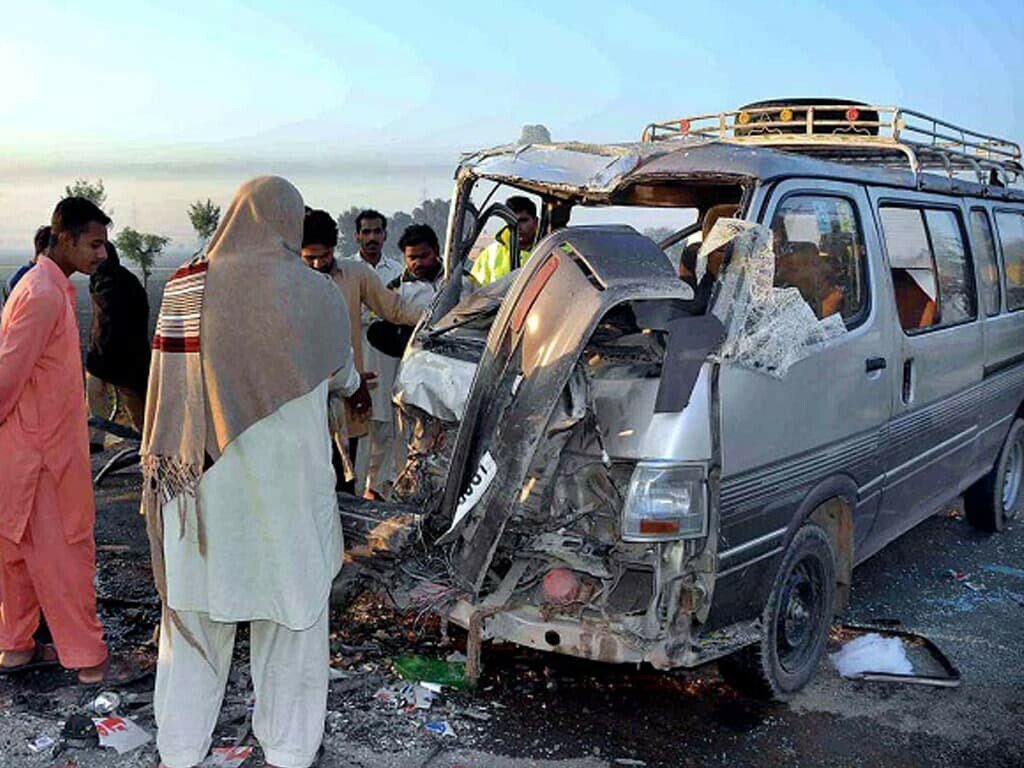
There are various reasons for the rising number of road accidents in Pakistan, including:
- Poor road infrastructure: The roads in Pakistan need to be better maintained and meet international safety standards. This increases the risk of accidents.
- Reckless driving: Many drivers in Pakistan drive recklessly, disobeying traffic rules and regulations, causing accidents.
- Lack of enforcement: The authorities in Pakistan need to enforce traffic laws more strictly, making it easier for drivers to get away with reckless driving.
- Overcrowded roads: The roads in Pakistan are overcrowded, resulting in traffic jams, which can cause accidents.
- Poorly maintained vehicles: Many vehicles in Pakistan need to be maintained properly, and their faulty parts can cause accidents.
- Lack of road safety education: Many people in Pakistan need to be made aware of road safety rules, leading to negligence while driving.
To control traffic accidents in Pakistan, various strategies can be implemented, including:
- Improving road infrastructure: The government should invest in improving road infrastructure and making them safer.
- Enhancing enforcement of traffic laws: The authorities should enforce traffic laws strictly to deter reckless driving.
- Introducing advanced technology: The use of technology such as traffic cameras and electronic ticketing systems can help identify and apprehend traffic lawbreakers.
- Promoting awareness of road safety: The public should be educated on road safety rules and regulations through campaigns and awareness programs.
- Improving vehicle maintenance: The government should encourage regular vehicle maintenance to reduce the likelihood of accidents caused by faulty vehicles.
After the 18th amendment, the provincial transport and police departments have a greater role in controlling road accidents. They can formulate and implement traffic safety policies and enhance the training of traffic police to improve their efficiency in enforcing traffic laws.
The public can be made aware of road safety through various means, including:
- School education: Road safety education can be introduced in schools to teach children about traffic rules and regulations.
- Public Awareness campaigns: The government can run public awareness campaigns on road safety, such as radio and TV advertisements, billboards, and social media.
- Public-Private partnerships: The government can work with private companies to promote road safety, for instance, by sponsoring events or providing incentives to drivers who follow traffic laws.
- Training programs: The authorities can offer training programs to drivers, including theoretical knowledge of traffic rules and practical training on safe driving techniques.
In conclusion, improving road safety in Pakistan requires a multi-pronged approach, including the implementation of strict traffic laws, investment in road infrastructure, education, and awareness campaigns. Additionally, the provincial transport and police departments should work together to reduce the number of accidents on the roads. Road infrastructural planning and management are critical. There is a population explosion in Pakistan. Therefore, it is a challenging task to make the road infrastructure compatible with the rising population. The local, provincial and federal governments need to coordinate better to interlink their roads for public safety and integration. A planned an cohesive approach can work to make the roads in Pakistan safer and sound.